
Clavulinopsis luteoalba
Clavulinopsis luteoalba
Description
Symptoms
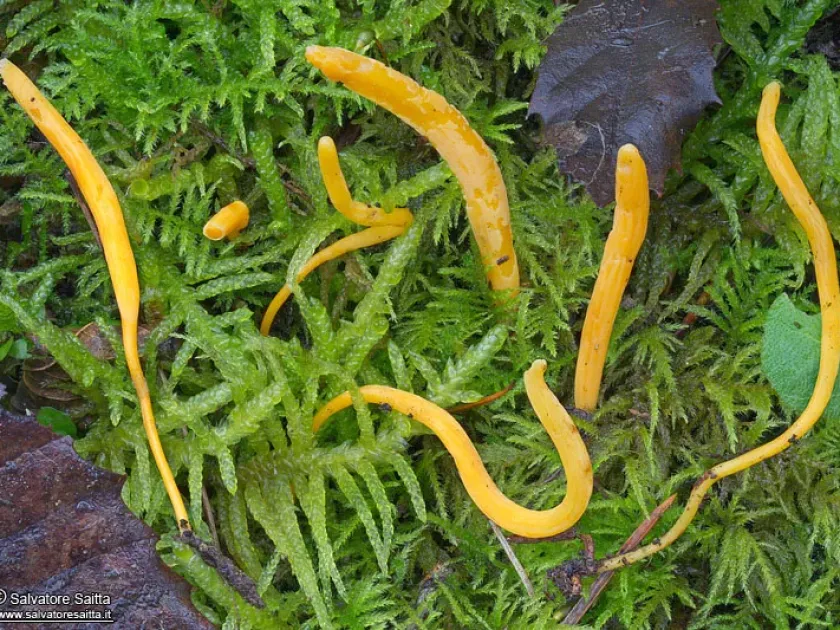
Clavulinopsis luteoalba is easily identified by its distinct club-shaped or cylindrical fruit bodies protruding from the soil or grass.
The fungus is characterized by a bright yellow color that transitions to a paler, creamy, or whitish shade toward the tips of the clubs.
These fungal structures typically grow in clusters or scattered groups across damp, shaded areas of a lawn or woodland floor.
Their presence can often result in minor turf thinning or slight discoloration in the immediate vicinity of the fungal colonies.
As the mycelium spreads underground, it may influence the soil structure and appearance, sometimes forming rings or patches in grassy areas.
Pathogen
The fungus Clavulinopsis luteoalba is a member of the Clavariaceae family, functioning primarily as a saprotrophic decomposer.
It obtains energy by breaking down complex organic matter, such as dead roots and decaying plant tissues, in the topsoil layers.
Reproduction is carried out through the release of basidiospores from the surface of the clubs, which spread via wind or water droplets.
The vegetative mycelium forms an extensive subterranean network, remaining active even when visible fruit bodies are not produced.
Biological interactions between the mycelium and soil microorganisms play a significant role in the overall health and nutrient cycling of the habitat.
Conditions for development
Development is heavily dependent on high moisture levels and cool temperatures, making autumn the peak season for growth.
Shaded environments with minimal direct sunlight are preferred, as these help maintain the damp conditions required for fruiting.
Poorly drained soils or lawns with high thatch accumulation provide an ideal environment for the establishment of fungal colonies.
Heavy rainfall and extended humid periods significantly increase the likelihood of mass emergence of these fungal fruit bodies.
The fungus thrives in soils rich in organic matter, which facilitates the rapid expansion of the subterranean mycelial network.
Why it matters
This fungus is not a true pathogen and does not pose a direct threat to the health of healthy, robust landscape plants or crops.
The primary concern is aesthetic, as the appearance of clusters of fungi can detract from the visual quality of manicured lawns and greens.
Localized soil competition for nitrogen may occur, potentially leading to small patches of yellowing or stunted grass growth.
Prolonged excessive moisture associated with fungal growth can create an environment susceptible to secondary root-rot pathogens.
In ecological terms, the fungus is beneficial, contributing to organic matter decomposition and nutrient turnover in forest and soil ecosystems.
Protection
The most effective management strategy is to practice regular aeration to improve soil drainage and reduce surface moisture levels.
Removing thatch and decaying organic debris from the surface prevents the accumulation of food sources for the fungus.
Proper irrigation management is essential to avoid keeping the soil surface consistently wet, which discourages fungal fruiting.
If needed, mechanical removal of the fruit bodies before they release spores can help manage the visual impact and reduce spread.
Ensuring balanced soil fertility helps maintain a dense, vigorous lawn, which is less susceptible to invasion by saprotrophic fungi.
Discussion
No discussions yet — be the first.