
Clavulinopsis
Clavulinopsis
Description
Symptoms
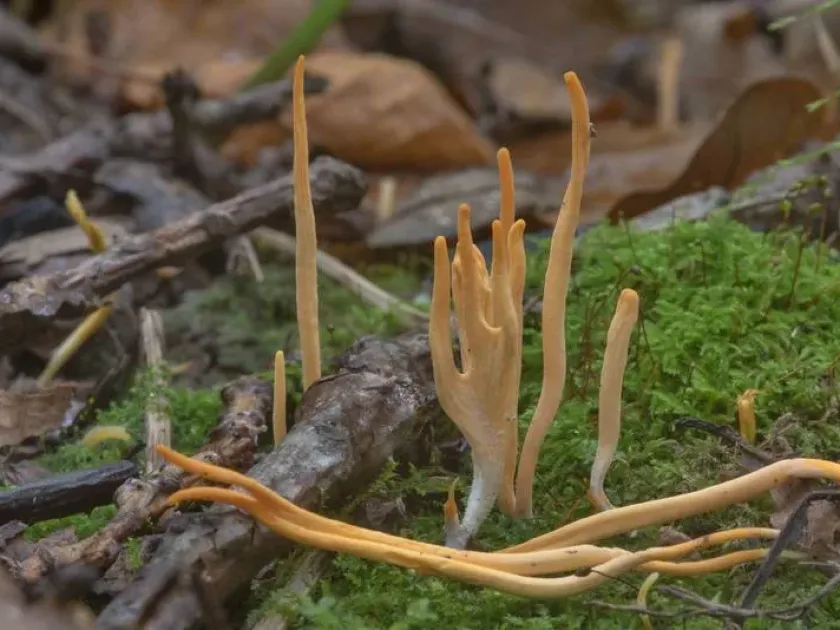
Clavulinopsis is a genus of fungi recognized by their distinctive club-like or coral-shaped appearance. These fungi are typically found growing in soil amongst leaf litter or grasses.
The fruit bodies are often vibrant, appearing in shades of yellow, orange, or white. They generally grow in small clusters, creating a noticeable visual presence in moist environments.
They are characterized by a fleshy or sometimes brittle texture. Unlike parasitic fungi, the surface of Clavulinopsis remains clean, showing no signs of tissue decay or necrosis on nearby plants.
The absence of spots, lesions, or wilting on host plants is a primary indicator that these fungi are not pathogens of agricultural interest.
Their presence typically signifies a moist, organic-rich soil environment where natural decomposition processes are taking place.
Pathogen
Clavulinopsis belongs to the group of saprotrophic fungi. These organisms play a vital ecological role by breaking down complex organic materials in the soil.
They are not considered plant pathogens in agronomy or horticulture. They do not infect live plant tissues, nor do they interfere with plant growth or development.
The fungus feeds on decomposing organic matter, such as dead leaves, twigs, and other forest or garden debris, facilitating the nutrient cycling process.
Reproduction occurs through spores released into the environment, which thrive under specific moisture conditions and germinate to form new mycelial networks.
In terms of agricultural science, they are classified as beneficial decomposers rather than infectious agents of crop diseases.
Conditions for development
High humidity and consistent moisture are the primary requirements for the development of Clavulinopsis fruit bodies. They thrive particularly well during rainy seasons.
Rich organic substrates are essential for their proliferation. Areas with thick layers of undecomposed mulch or leaf mold provide an ideal habitat for their growth.
They prefer sheltered, shaded, and cool environments where moisture is retained for extended periods, preventing the surface from drying out too quickly.
Moderate temperatures, typically associated with autumn or humid summer weather, support the emergence of these fungi from the soil.
Poorly aerated, dense soils that maintain high surface moisture are particularly prone to fungal activity compared to well-drained, dry locations.
Why it matters
Clavulinopsis poses no threat to crops, vegetables, or ornamental plants. It has no negative impact on agricultural productivity or plant health.
There are no known instances where this genus has caused damage to crops, as they lack the mechanisms to attack or parasitize living plant tissues.
Their existence is entirely harmless, and they should be viewed as natural soil inhabitants that contribute to the biodiversity of the garden.
No economic losses or yield reductions are associated with the presence of these fungi in the field or greenhouse environments.
Concerns regarding their presence are usually limited to aesthetic preferences for lawns or landscape areas where these fungi might temporarily emerge.
Protection
No control measures are necessary for Clavulinopsis. Because they are not plant diseases, the use of fungicides is completely unnecessary and discouraged.
If removal is desired for landscaping purposes, one should focus on cultural practices that modify the moisture level of the environment rather than chemical control.
Ensuring proper aeration, drainage, and regular removal of organic debris will naturally limit the development of these fungi without harming the soil ecosystem.
Routine lawn maintenance, including raking and managing mulch layers, is the most effective way to keep the area clear of fungal growth.
- Improve soil drainage and aeration.
- Remove excess organic debris or leaf litter.
- Maintain sunlight exposure to keep soil surfaces dry.
Discussion
No discussions yet — be the first.