
Clavulinaceae fungi
Clavulinaceae
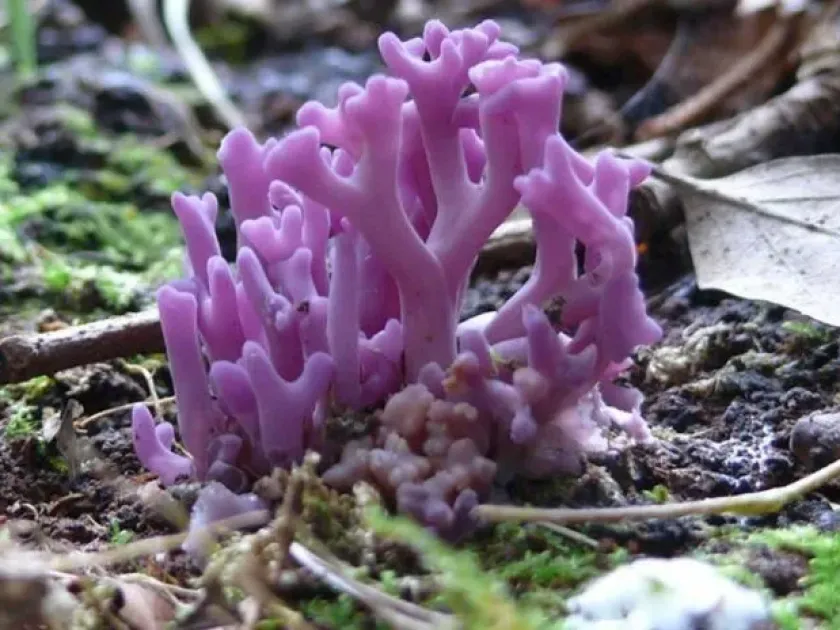
Description
Symptoms
The most recognizable sign is the emergence of coral-like or club-shaped fungal fruiting bodies at the base of the plant or in the surrounding soil.
Affected plants often show systemic weakness, including yellowing leaves, stunted shoot growth, and a lack of overall vigor during the spring months.
Root system inspection may reveal discolored, necrotic tissues and the presence of whitish mycelial mats covering the root bark.
In advanced stages of infection, plants may exhibit wilting symptoms that are unresponsive to irrigation, indicating destroyed vascular integrity.
Decline in crown density and premature leaf fall are common indicators that the root rot has significantly impaired the plant's ability to transport water.
Pathogen
Clavulinaceae are a family of basidiomycete fungi that, while often mycorrhizal, can occasionally act as opportunistic pathogens for various plant species.
The disease is caused by these fungi when they colonize stressed or damaged plant roots, shifting from a saprotrophic to a parasitic lifestyle.
The fungi spread through spores produced in distinct club-shaped or branched fruiting bodies, which appear in moist environments.
These organisms are ecologically sensitive, thriving in areas with high organic matter content and stable humidity levels throughout the growing season.
Their ability to degrade complex plant tissues allows them to establish deep infections within the root zones of susceptible host plants.
Conditions for development
High soil moisture is the primary driver for Clavulinaceae development, as the fungi require consistent dampness to produce fruiting bodies.
Shaded, poorly ventilated areas with heavy mulch layers provide an ideal microclimate for fungal spores to germinate and colonize new surfaces.
Temperatures ranging from moderate to warm are optimal for the rapid expansion of the fungal colony within the organic layers of the soil.
Mechanical injuries to the root system, often caused by tillage or pest activity, provide easy access points for the mycelium to penetrate the host.
Poor drainage and soil compaction contribute to anaerobic conditions that weaken the plant, making it more vulnerable to fungal attack.
Why it matters
The pathogen causes significant economic damage in nurseries by inducing root rot and subsequent mortality in young seedlings and saplings.
Mature plants suffer from reduced metabolic rates and limited nutrient uptake, leading to long-term decline and increased susceptibility to pests.
Root damage compromises structural stability, making plants prone to toppling during high wind events or prolonged weather stress.
Persistent soil infection limits the reuse of agricultural areas, as the pathogen can remain dormant in the soil for extended periods.
The reduction in harvest quantity and quality represents a major challenge for growers operating in regions with endemic fungal populations.
Protection
Effective control starts with rigorous sanitation practices, including the removal and destruction of all infected plant debris from the fields.
Improving soil drainage through structural modifications is essential to reduce the moisture levels required for fungal proliferation.
Biological fungicides based on competitive microbes can be applied to suppress fungal growth and protect the root zone of healthy plants.
Regular monitoring of plants allows for early detection of fruiting bodies, which should be removed before they release spores into the environment.
Maintaining a balanced irrigation schedule prevents waterlogging, which is a key factor in keeping the plant's natural defenses strong against fungi.
Discussion
No discussions yet — be the first.