
Clavulina rugosa
Clavulina rugosa
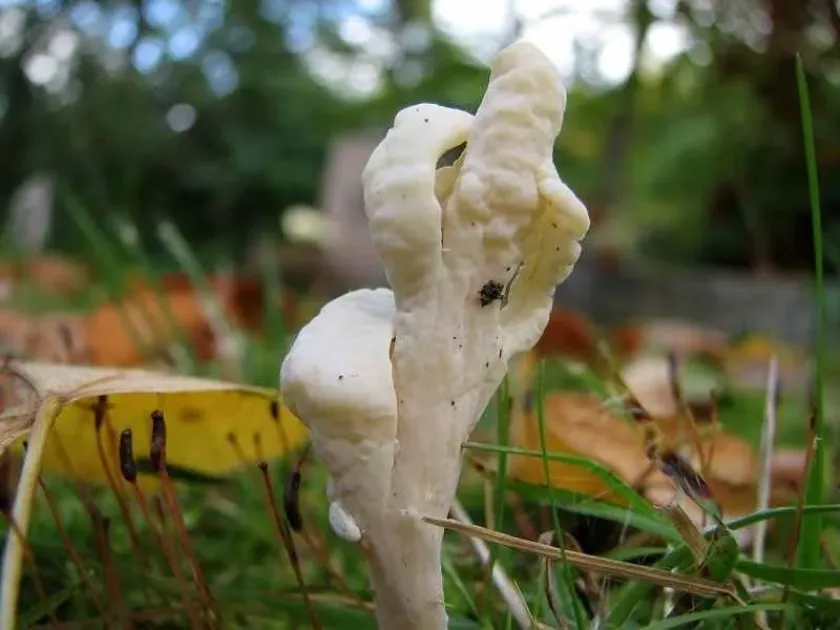
Description
Pathogen
Clavulina rugosa, commonly known as the wrinkled club fungus, is a basidiomycete fungus. It is essential to clarify that this organism is not a plant disease and poses no threat to crops or garden plants.
This fungus is a saprotroph, meaning it obtains nutrients by decomposing dead organic matter. It plays a critical role in the natural decomposition process, breaking down leaf litter and woody debris in soil ecosystems.
It does not possess parasitic capabilities and does not interact with the living tissues of plants. Its presence is indicative of a healthy soil ecosystem rich in organic matter rather than an infection.
The fungus forms branched, white or cream-colored fruit bodies. Its mycelium network resides within the soil or decaying plant materials, converting complex organic compounds into essential nutrients for the ecosystem.
In agronomic terms, Clavulina rugosa is an ally rather than a pest. It contributes to the natural cycling of nutrients, helping to maintain soil fertility and structure without harming any plant life.
Conditions for development
Clavulina rugosa requires specific environmental conditions to fruit, primarily high humidity and adequate moisture levels in the soil. It is commonly found in damp forests and shaded areas of gardens.
The optimal time for fruit body development occurs during the late summer and autumn months. Consistent rainfall combined with moderate temperatures creates the ideal habitat for this fungus.
A soil environment rich in humus and organic waste is necessary for the growth of its mycelium. Good soil aeration also assists in the development and expansion of the fungal colony.
Soil acidity levels also influence the fungal biodiversity. This species thrives in habitats where the soil chemistry allows for a balanced coexistence with various woodland plants.
Exposure to fungicides or chemical pollutants is detrimental to the fungus. It is highly sensitive to soil treatment chemicals, reflecting its preference for undisturbed, natural soil conditions.
Why it matters
Clavulina rugosa causes no harm to agricultural or ornamental plants. It is strictly non-pathogenic and lacks the mechanisms required to infect or damage plant structures.
The fungus does not produce toxins that could inhibit plant growth. Its life cycle is exclusively focused on the degradation of dead organic material, a process that is highly beneficial to the soil.
Gardeners may occasionally mistake the appearance of fruit bodies on lawns or near trees for a disease. However, these fungi are purely cosmetic and do not affect the health of the surrounding flora.
There are no recorded economic losses associated with this species. It does not compete with plants for nutrients; instead, it aids in making nutrients available for plant absorption.
In summary, the wrinkled club fungus is a benign inhabitant of the garden. It is categorized as an ecological partner in soil health rather than a pathogen or pest.
Protection
Since Clavulina rugosa is not a disease, no control measures are required. The use of chemical fungicides to eradicate this fungus is unnecessary and counterproductive to soil health.
If the fruit bodies appear in areas where they are aesthetically undesirable, such as formal lawns, they can be manually collected or removed. This simple mechanical intervention is sufficient.
Improving lawn maintenance practices, such as routine aeration and proper drainage, will naturally reduce the occurrence of fruit bodies by altering the microclimate near the soil surface.
Managing irrigation levels to prevent persistent waterlogging can also discourage the formation of fruit bodies in decorative garden beds without harming the beneficial fungal community.
The best approach to managing this fungus is to appreciate its presence as a sign of a thriving, fertile garden soil. It requires no intervention to sustain the overall health of your land.
Discussion
No discussions yet — be the first.