
Clavulina cavipes
Clavulina cavipes
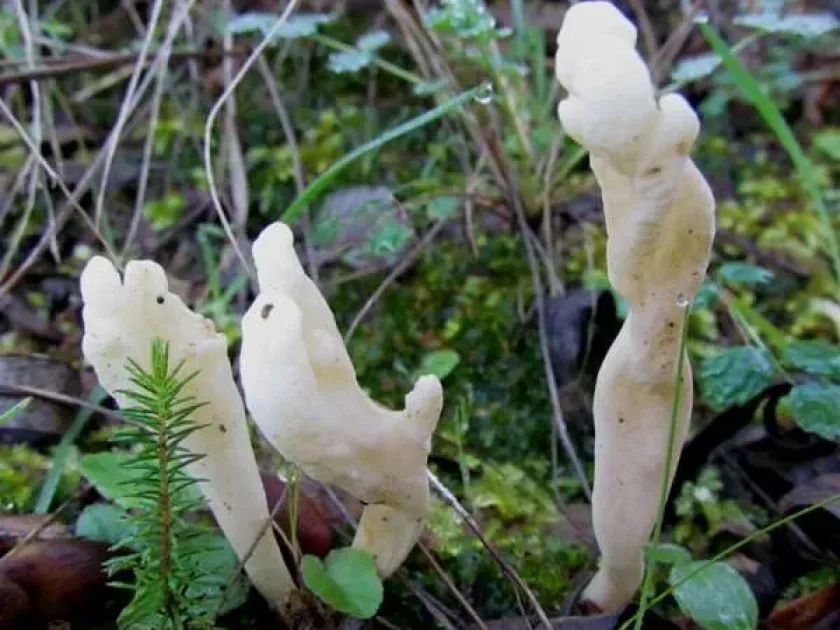
Description
Pathogen
Clavulina cavipes is a species of fungus belonging to the Clavulinaceae family. It is important to clarify that this organism is not a plant pathogen and does not cause diseases in agricultural crops, cereals, or horticultural plants.
The fungus is characterized by its clavarioid (coral-like) growth habit, which is common among species in the Clavulina genus. These structures are designed for optimal spore production, allowing the fungus to propagate efficiently within its native forest environment.
The specific epithet cavipes translates to "hollow-footed," referring to the anatomical characteristic of a hollow stipe found in mature specimens. This unique feature is essential for mycologists when distinguishing it from other similar fungal species.
As a non-pathogenic species, Clavulina cavipes does not require any agricultural intervention or pest control strategies. It does not infect vascular plants and has no negative impact on crop yield or quality in farming systems.
From an ecological perspective, this fungus serves as a beneficial organism. It acts as a decomposer, breaking down complex organic matter in forest soil and returning vital nutrients to the ecosystem, which supports overall woodland health.
Conditions for development
The development of Clavulina cavipes fruit bodies is highly dependent on environmental humidity. Moist forest floors, particularly those shaded by canopy cover, provide the necessary conditions for the mycelium to thrive and initiate sporulation.
Temperature plays a significant role in its life cycle. The species prefers stable, moderate temperatures typically found in late summer and autumn, which allow for steady growth without the stress of extreme heat or sudden frost.
Soil quality is another key factor in the distribution of this fungus. It is most commonly found in habitats with well-decomposed leaf litter, which provides a rich source of carbon and moisture for the fungal network to expand effectively.
Extreme weather patterns, such as prolonged droughts, inhibit the formation of fruit bodies. During such times, the vegetative mycelium remains in the soil, awaiting favorable moisture levels to resume its reproductive phase.
Human activities that alter forest microclimates, such as excessive thinning or the removal of leaf litter, can disrupt the habitat of Clavulina cavipes. Maintaining the integrity of the forest soil is crucial for the continued presence of this fungal species.
Discussion
No discussions yet — be the first.