
Clavulina
Clavulina
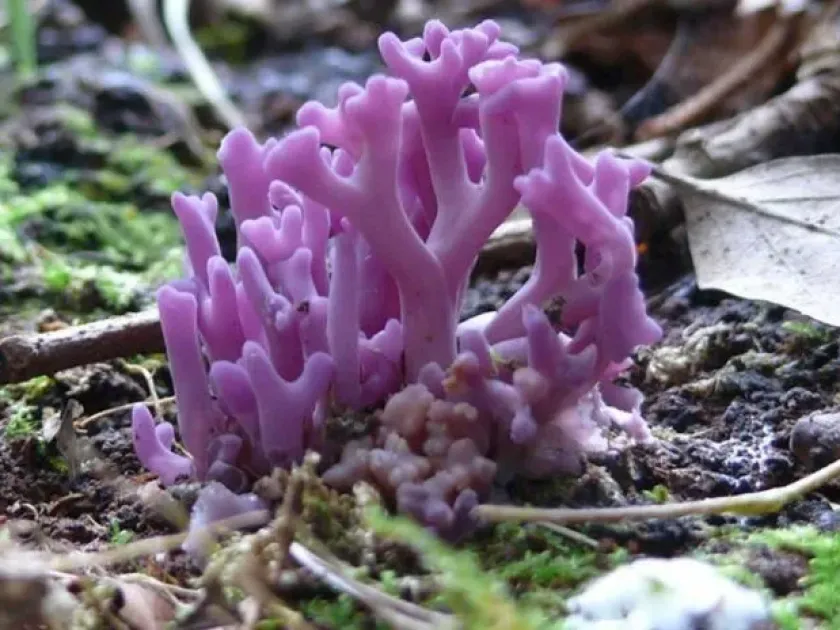
Description
Symptoms
The earliest visible symptoms include stunted plant growth and a gradual loss of leaf vigor. Infected plants often show signs of premature yellowing, indicating stress in the root system.
A white or creamy fungal mat is often observed around the crown of the plant near the soil line. This growth is a clear indicator of active mycelial colonization of the outer tissues.
Tissues in the affected area often become soft, water-soaked, and may eventually undergo necrosis. As decay progresses, the tissue may develop a mushy consistency and an unpleasant odor.
Loss of root integrity is a hallmark of this disease. In severe cases, the entire root system fails, allowing the plant to be easily pulled from the soil with very little resistance.
- Stunting and slow development of the plant.
- White mycelial growth at the base of the stem.
- Softening and decay of roots and crown tissue.
- Easy detachment of the plant from the soil.
Pathogen
Clavulina is a genus of fungi classified within the Basidiomycota. In agronomic environments, these fungi can behave as soil-borne pathogens, affecting the root systems and crowns of various plants, particularly in moisture-stressed or poorly aerated soils.
The pathogen utilizes decaying organic matter as a primary substrate for growth. Once the mycelium is established, it can spread to the root tissues of living plants, often entering through natural wounds or points of mechanical damage.
Biological development involves the formation of characteristic branched fruiting bodies on the soil surface near infected plants. These structures are responsible for the dispersal of spores that facilitate the spread of the disease.
The fungus can persist in the soil for extended periods as mycelium or resistant structures. This long-term soil survival makes it a challenging pathogen to eradicate once a site has become infested.
The fungal mycelium permeates the plant tissues, disrupting nutrient uptake and water transport within the vascular system. This internal damage often leads to the eventual collapse of the plant's metabolic functions.
Conditions for development
High soil moisture is the primary driver of disease progression. Periods of excessive rainfall or over-irrigation create the anaerobic environment that favors the development of Clavulina.
The fungus thrives in temperature ranges between +15 and +22 degrees Celsius. These moderate temperatures allow for rapid colonization of host tissues by the fungal mycelium.
Acidic soil conditions are particularly conducive to the proliferation of these fungi. Neutralizing soil pH is often a critical step in creating a hostile environment for the pathogen.
Poor soil aeration due to compaction or heavy clay content creates stagnant conditions. These conditions are ideal for the development of fungal pathogens and inhibit the growth of beneficial microorganisms.
High levels of undecomposed organic matter in the soil serve as a nutrient reservoir for the fungus. This allows the pathogen to maintain a high population density before attacking the crop.
Why it matters
The economic impact of this disease is primarily seen in yield reduction due to plant death and reduced stand uniformity. Significant losses can occur in both field crops and nursery production.
Seedlings are highly susceptible and can face total loss if environmental conditions remain favorable for the fungus. This results in the need for replanting and increases overall cultivation costs.
Infection leads to poor crop quality, as nutrient transport is severely hampered during the critical growth phases. Harvested produce may also show signs of storage rot, reducing shelf life.
Increased susceptibility to secondary opportunistic pathogens is a common consequence. Once Clavulina weakens the root system, plants become vulnerable to secondary bacterial and fungal infections.
The disease management costs, including fungicide applications and soil treatments, add to the financial burden of the grower, particularly when outbreaks occur on a large scale.
Protection
Crop rotation is the most effective cultural practice to manage the disease. Rotating away from susceptible crops for several years helps deplete the soil inoculum and breaks the infection cycle.
Improving soil drainage is essential for long-term control. Utilizing raised beds or drainage tiles can effectively prevent the moisture accumulation necessary for fungal growth.
Adjusting soil pH through liming can make the environment less suitable for the pathogen. Healthy soil microbial balance should be promoted through proper management of organic matter.
Systemic fungicides may be applied to protect vulnerable stages of growth, but they should be used as part of an integrated pest management strategy rather than a sole solution.
Strict sanitation practices, such as the removal of crop debris after harvest, significantly lower the amount of surviving inoculum. Always prioritize the use of disease-free planting materials.
Discussion
No discussions yet — be the first.