
Cladosporium fruit rot
Cladosporium ossifragi
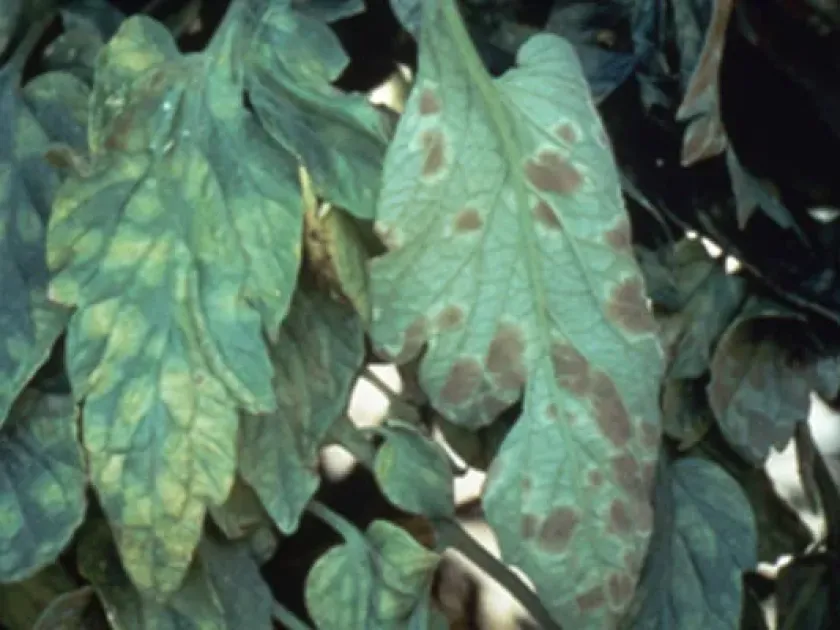
Description
Symptoms
The first signs of infection appear as small, dark, irregular spots on the fruit surface. As the disease progresses, these spots expand and become covered with a characteristic dark olive-green to black fungal mold.
Affected fruit tissue loses its firmness and becomes depressed or sunken. This localized tissue breakdown is a hallmark of the infection, often leading to a complete collapse of the fruit structure.
During humid weather, the velvety appearance of the fungal sporulation becomes clearly visible on the surface of the lesions. This mass of conidia is a key diagnostic feature for field identification.
Infected fruits often show premature ripening and detachment from the peduncle. The spread of the fungus can also affect the stalks, leading to withered branches and reduced tree vigor in severe cases.
Beyond the surface symptoms, the invasion of the fungus often triggers secondary infections by other opportunistic pathogens, which further complicates the deterioration of the fruit.
Pathogen
The disease is caused by the fungus Cladosporium ossifragi. This pathogen belongs to the group of deuteromycetes and is specifically known for its ability to infect fruits of stone fruit trees.
The fungus produces large amounts of conidia that are disseminated by wind and water splashes. It thrives by penetrating the fruit skin, often exploiting existing micro-wounds or physiological cracks.
Cladosporium ossifragi overwinters in crop debris, such as mummified fruits left on branches or fallen leaves on the orchard floor, serving as a primary inoculum source for the next season.
The fungal mycelium spreads rapidly within the fruit tissue, secreting enzymes that break down cell walls. This biochemical activity leads to the rapid softening and subsequent rot of the fruit flesh.
Due to its resilience, the pathogen can survive under a wide range of climatic conditions, making it a persistent challenge for fruit growers in various geographical zones.
Conditions for development
High humidity, typically above 80%, is the primary environmental factor that triggers the development of Cladosporium fruit rot. Prolonged periods of rainfall during the ripening phase are particularly hazardous.
Temperatures ranging from 15°C to 25°C are optimal for the growth and sporulation of the fungus. Warm, humid summers create a perfect environment for rapid epidemic spread in an orchard.
Poor orchard hygiene, especially the retention of diseased fruits, significantly boosts the inoculum pressure. Trees with dense canopies that do not allow proper air circulation are more susceptible to infection.
Physical injuries to the fruit skin caused by pests, hail, or agricultural machinery act as primary infection courts. Intact, healthy fruits are much more resistant to fungal penetration.
Nutritional imbalances, particularly an excess of nitrogen, can lead to softer fruit tissue that is more easily colonized by the pathogen during the final stages of fruit maturation.
Why it matters
The economic impact of Cladosporium fruit rot is significant due to the loss of marketable yield. Infested fruits are rejected by markets and consumers, leading to substantial financial losses for growers.
Storage and shelf life are severely compromised, as the fungus continues to develop under post-harvest conditions. Even a few infected fruits in a crate can cause rapid spoilage of the entire batch.
Processing quality is also diminished, as the fungus introduces metabolites that negatively alter the flavor, smell, and overall safety profile of the final fruit products.
The labor costs associated with removing infected fruits from trees and sorting harvests increase the production overhead, putting pressure on the profitability of the orchard.
Furthermore, persistent infection cycles weaken the trees over time, making them more susceptible to subsequent attacks by other major diseases, leading to a long-term decline in orchard productivity.
Protection
Sanitation is the most effective tool in controlling this disease. Growers must systematically remove and destroy all mummified or rotting fruits from the trees and the orchard floor.
Timely application of fungicides is essential, particularly during the fruit-set and maturation phases. Preventive spraying programs are generally more effective than reactive ones.
- Pruning trees to improve light penetration and air movement within the canopy.
- Effective pest management to prevent skin damage to developing fruits.
- Avoiding excessive irrigation that creates a humid microclimate.
- Proper fertilization to ensure balanced growth and fruit firmness.
- Using biological control agents that compete with the pathogen for resources.
Monitoring for initial signs of the disease allows for prompt intervention, such as localized fungicide applications, which can help stop the spread before it reaches an epidemic level.
Choosing resistant or less susceptible cultivars is a long-term strategic approach to reducing dependence on chemical control methods and maintaining orchard health.
Discussion
No discussions yet — be the first.