
Cladosporium macrocarpum
Cladosporium macrocarpum
Description
Symptoms
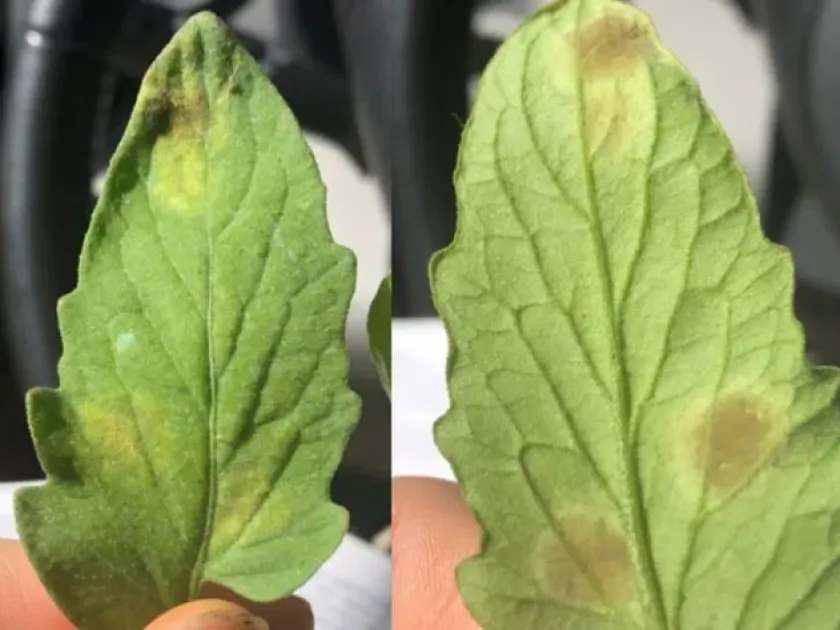
The primary symptom of the infection is the appearance of chlorotic spots on the foliage, which eventually transition into necrotic brown, gray, or olive-black lesions.
The undersides of the leaves typically develop a dense, velvety fungal layer, which corresponds to the active sporulation phase and is a definitive diagnostic indicator of the pathogen.
As the disease progresses, these spots often coalesce, covering large areas of the leaf surface, which leads to premature yellowing, withering, and eventual leaf abscission.
Infection on fruits manifests as sunken, discolored patches covered with fungal growth, which renders the produce commercially unviable and prone to secondary rotting.
- Chlorotic and necrotic spotting on the foliage.
- Characteristic dark velvety fungal growth on leaf undersides.
- Premature leaf yellowing and shedding.
- Deformed fruits with visible sporulation spots.
Pathogen
The causative agent of this disease is the fungus Cladosporium macrocarpum, an imperfect fungus classified within the hyphomycetes group, which acts primarily as a facultative parasite.
The fungus develops mycelia within plant tissues and produces conidiophores that emerge through stomata or epidermal ruptures, resulting in a characteristic dark olive-brown velvety sporulation.
Conidia of the pathogen are multicellular and structurally adapted to survive diverse environmental stresses, allowing them to remain viable in the soil for extended periods.
Dissemination occurs primarily via wind-borne conidia, but the pathogen can also be spread by water splashes during rain or irrigation, as well as on contaminated agricultural tools.
The fungus maintains its presence in the field by overseasoning on infected plant debris, making it a persistent threat that can re-emerge whenever favorable conditions appear.
Conditions for development
Cladosporium macrocarpum thrives under conditions of high relative humidity, typically exceeding 80–85%, coupled with moderate temperatures ranging from 18°C to 25°C.
Dense planting patterns that restrict air circulation significantly increase the risk of disease, as these conditions trap moisture and facilitate spore germination and fungal colonization.
Frequent overhead irrigation, which keeps the foliage constantly moist, provides the necessary environmental trigger for the pathogen to infect healthy plant tissue.
Poor ventilation and inadequate lighting, especially in greenhouses, weaken the plant's natural defense systems and create a perfect microclimate for the rapid spread of the fungus.
The presence of unremoved infected plant material from previous seasons ensures a high inoculum level, which is a major factor in the severity of subsequent outbreaks.
Why it matters
The primary economic impact of this disease is the severe reduction of the photosynthetic surface area, which leads to stunted plant growth and a significant decrease in total yield.
The market value of infected produce is drastically reduced due to the presence of blemishes and the increased likelihood of decay during transport and storage.
Plants severely affected by the fungus experience high physiological stress, making them more susceptible to secondary pathogens and reducing their overall productive lifespan.
Large-scale outbreaks can force growers to discard vast quantities of produce, leading to substantial financial losses and increased costs for disease management and sanitation.
The persistence of the fungus in the soil complicates long-term cultivation plans and necessitates stringent crop rotation practices to manage the disease effectively.
Protection
Effective management begins with rigorous crop rotation practices, which help disrupt the life cycle of the pathogen by depriving it of suitable host tissue for consecutive seasons.
Sanitation is crucial; all infected plant debris must be removed and destroyed immediately after harvest to minimize the carry-over of fungal inoculum to the following season.
In controlled environments, maintaining proper humidity levels, ensuring adequate spacing between plants, and optimizing airflow are essential for preventing infection outbreaks.
The application of contact and systemic fungicides can be highly effective, provided they are applied preventatively or at the very first sight of symptoms on the foliage.
Selecting resistant cultivars or hybrids is the most sustainable approach, as it inherently reduces the dependency on chemical interventions and ensures a more stable crop production.
Discussion
No discussions yet — be the first.