
Cladorrhinum coprophilum
Cladorrhinum coprophilum
Description
Pathogen
Cladorrhinum coprophilum is a microscopic fungus classified within the Ascomycota division. It functions primarily as a soil-borne pathogen that can transition from a saprotrophic life stage on organic matter to a parasitic stage attacking plant tissues.
Historically associated with coprophilous environments, this fungus thrives in substrates containing high levels of organic residues and animal manures, which serve as reservoirs for its development.
The pathogen reproduces via spores, which are readily dispersed by air currents, irrigation water, and the movement of contaminated equipment or soil particles across fields.
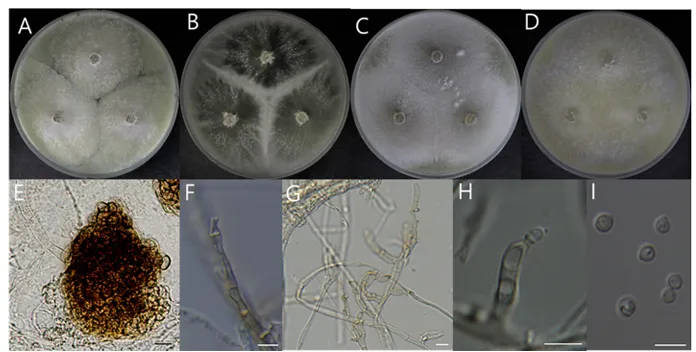
Laboratory observations confirm the fungus exhibits robust mycelial growth when provided with suitable organic substrates, showing a high capacity for colonization in moist soil environments.
Biological resilience allows this species to survive unfavorable conditions in the soil, maintaining viability until environmental factors trigger its germination and subsequent infection phase.
Conditions for development
Development of Cladorrhinum coprophilum is heavily dependent on soil moisture and the presence of non-decomposed organic material. The application of raw manure into the soil creates a perfect environment for the pathogen to thrive.
Optimal growth temperatures for the fungus typically range between +18°C and +25°C. High humidity levels, particularly in enclosed environments like greenhouses, significantly accelerate the spread of spores.
Soil pH plays a critical role in its ecology, as the pathogen tends to prefer neutral to slightly alkaline soils that are nutrient-rich due to organic accumulation.
Poor agricultural practices, such as lack of crop rotation and overcrowding of plants, lead to stagnant air and high humidity, which are perfect precursors for infection.
Plants under physiological stress, often caused by nutrient imbalances or inadequate soil drainage, are substantially more susceptible to fungal entry through their root systems.
Why it matters
The primary damage caused by Cladorrhinum coprophilum involves severe rot of the root system and the crown of the plant. This disruption blocks the transport of water and essential minerals.
Affected plants often display initial wilting, even when soil moisture is adequate, followed by chlorosis and yellowing of the leaves as the vascular integrity is compromised.
In seedling stages, the fungus frequently causes damping-off, a condition that can destroy entire planting trays or rows within a few days of germination.
Adult plants infected by this fungus show stunted development and reduced reproductive capacity, leading to a direct decrease in harvest yield and overall crop marketability.
Furthermore, tissues damaged by this pathogen become highly susceptible to secondary bacterial infections, which accelerate the decomposition of the plant structure.
Protection
The most effective strategy for managing this fungus is the strict avoidance of raw manure in soil preparation; only fully composted materials should be incorporated into the field.
Soil solarization or thermal sterilization in greenhouses is recommended to significantly reduce the pathogen load in the growing substrate before the planting season begins.
Biocontrol agents, such as specific strains of Trichoderma species, have proven effective in creating a competitive environment that inhibits the mycelial growth of Cladorrhinum coprophilum.
Improving greenhouse ventilation to lower ambient humidity and ensuring proper drainage in field soils are crucial preventive measures to limit fungal germination.
- Regular sanitization of farming tools and containers.
- Implementation of robust crop rotation schedules.
- Monitoring irrigation to prevent root zone waterlogging.
- Removal and immediate disposal of infected plant debris.
Discussion
No discussions yet — be the first.