
Cistella geelmuydenii
Cistella geelmuydenii
Description
Pathogen
Cistella geelmuydenii is a species of cup fungus belonging to the Hyaloscyphaceae family. Primarily recognized as a saprotrophic organism, it colonizes decaying organic matter; however, under specific agricultural conditions, it can display opportunistic pathogenic behavior, affecting weakened or stressed plant tissues.
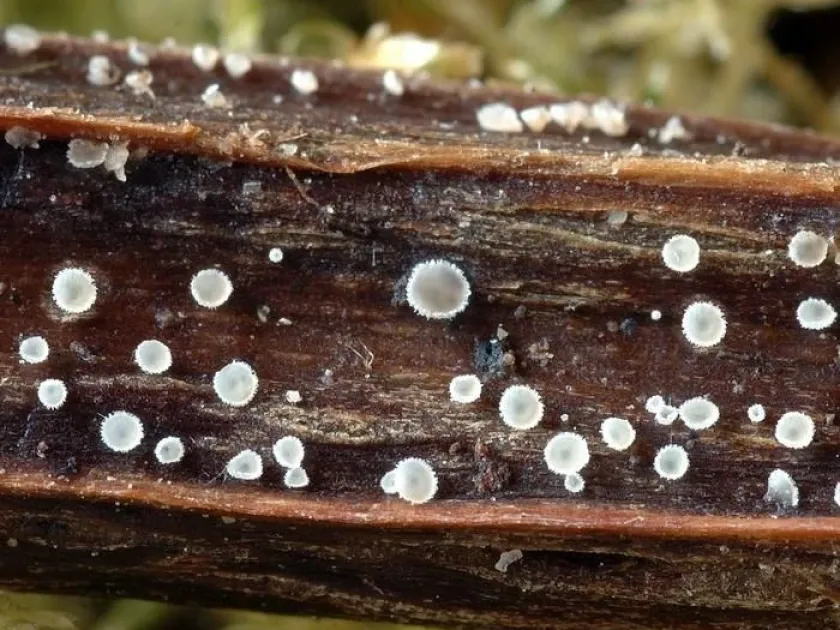
The pathogen is characterized by the production of minute, dish-shaped apothecia (fruiting bodies) that are typically covered with fine, light-colored hairs. These structures are essential for the dispersal of ascospores, which serve as the primary inoculum for spreading the fungus within agricultural fields.
Mycological analysis suggests that Cistella geelmuydenii excels in decomposing cellulose-rich substrates. It is a persistent inhabitant of the soil-plant debris interface, allowing it to survive through various seasonal cycles.
The lifecycle is tightly regulated by moisture and temperature availability. In the resting stage, the fungus persists as mycelium or dormant structures within plant residues, waiting for favorable conditions to initiate its reproductive phase.
Research indicates that this fungus possesses specialized enzymatic machinery to degrade complex plant cell wall polymers. This ability allows it to thrive on organic materials and occasionally invade plant tissues experiencing reduced physiological activity.
Conditions for development
The development and proliferation of Cistella geelmuydenii are primarily driven by high moisture levels. Relative humidity exceeding 85% is typically required for active spore germination and the expansion of mycelium across host tissues.
Temperatures ranging from 15 to 22 degrees Celsius provide the optimal environment for the fungus's vegetative growth. While it is hardy, extremes in temperature (prolonged freezing or severe heat) act as limiting factors for its metabolic activity.
Agricultural fields with poor drainage or overly dense planting patterns create microclimates characterized by stagnant air and trapped moisture. These conditions significantly accelerate the infection process and increase the likelihood of rapid disease spread.
Dispersal is mainly facilitated by wind and water splash during rain events. Spores are easily liberated from fruiting bodies and transported to nearby healthy plants, creating clusters of infected areas within a field.
Minimal tillage practices, which leave significant amounts of crop residues on the soil surface, provide an ideal habitat for the survival and multiplication of Cistella geelmuydenii, posing a greater risk to subsequent crops.
Why it matters
The primary damage caused by Cistella geelmuydenii involves the localized degradation of plant tissues, leading to premature wilting and reduced plant vigor. As the fungus consumes organic nutrients, it deprives the plant of its physiological reserves.
When the pathogen affects the reproductive stages, it can reduce the quality and weight of harvested grains or fruits. The presence of necrotized areas provides an entry point for secondary pathogens, further compromising plant health.
In early development stages, the infection can inhibit the growth of seedlings, causing uneven field emergence and reduced stand density, which ultimately lowers the total potential yield.
Economic consequences for farmers include both direct yield losses and the indirect costs associated with the implementation of intensive fungicide treatments and extra field management efforts.
By repeatedly stressing the plant, the fungus diminishes the crop's ability to resist other biotic and abiotic pressures, leading to long-term issues with crop quality and field productivity.
Protection
Effective management begins with proper field sanitation. Deep plowing or tillage practices that incorporate crop residues into the soil help accelerate the decomposition of these organic sources, thereby reducing the available inoculum.
Implementing a diverse crop rotation is a crucial strategy to break the pathogen's lifecycle. Avoiding the cultivation of highly susceptible crops in successive years limits the buildup of the fungus in the soil profile.
Chemical control involving fungicides from the triazole or strobilurin classes can be effective when applied during high-risk periods or at the first signs of infection, ensuring that crop damage is minimized.
Seed treatment is a fundamental preventive measure. Using high-quality fungicidal dressings protects germinating seeds and young seedlings from soil-borne infections, ensuring a more uniform and vigorous crop establishment.
- Optimize planting density to improve canopy airflow and reduce humidity.
- Enhance field drainage to prevent water stagnation in lower-lying areas.
- Select cultivars known for their robust disease resistance profiles.
- Implement integrated pest management (IPM) to maintain overall plant health.
Discussion
No discussions yet — be the first.