
Iceland moss
Cetraria islandica
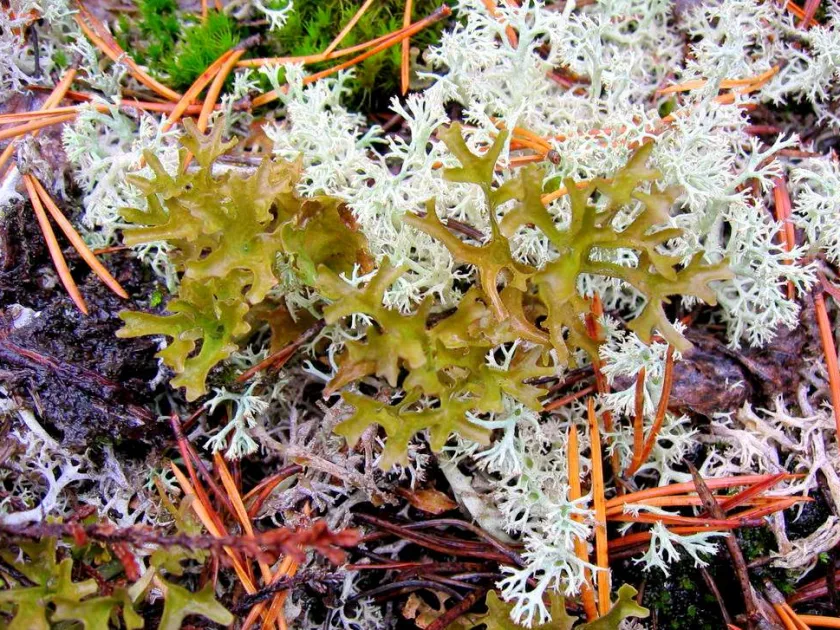
Description
Pathogen
It is crucial to clarify the scientific status of the object: Cetraria islandica is not a plant pathogen. It is a lichen, which is a symbiotic organism consisting of a fungus and an alga.
In biological classification, Iceland moss belongs to the group of fruticose lichens within the Parmeliaceae family. It does not possess parasitic properties toward higher plants and cannot penetrate the tissues of agricultural crops.
This organism develops independently on soil, rocks, or decaying wood in tundra and forest-tundra zones. It is not a pathogenic fungus and does not produce toxins that inhibit the growth of cultivated plants.
In agronomic practice, lichens of this species are sometimes mistakenly identified as fungal infections (such as powdery mildew or mold) due to their appearance. However, the absence of hyphae penetrating plant cell structures proves they are not involved in phytopathologies.
Thus, mentioning Cetraria islandica in the context of plant protection is a biological error. It is a useful component of the ecosystem that requires no control measures or chemical fungicide treatments.
Conditions for development
Iceland moss prefers open, well-lit areas with low nutrient concentrations in the soil. It is extremely sensitive to air pollution levels, making it a natural bioindicator of environmental purity.
For normal growth, the lichen requires high air humidity, which it absorbs through the entire surface of its thallus. It does not require root nutrition, as it obtains all necessary elements from atmospheric precipitation and dust.
The plant demonstrates extreme resistance to low temperatures, surviving complete freezing. During drought periods, Cetraria islandica enters a state of anabiosis, pausing all metabolic processes until moisture returns.
In its natural habitat, it forms large cushion-like patches on peatlands and sandy soils. Attempts to artificially cultivate this species in intensive farming conditions are virtually impossible due to its specific ecological requirements.
The presence of lichens on tree bark or soil in gardens often indicates good local air quality rather than the development of a disease. This community of epiphytic organisms does not compete with crop plants for nutrient resources.
Why it matters
The economic damage caused by Iceland moss to agriculture is zero. Since the organism is not a phytopathogen, it does not cause wilting, necrosis, or a reduction in crop yields for cultivated plants.
In rare cases, excessive overgrowth of epiphytic lichens on old fruit trees may create a favorable environment for sheltering insect pests. However, the moss itself does not damage the bark or tissues of the tree.
Erroneous attempts to control lichens using herbicides or fungicides cause more harm to the site's ecological balance than the presence of the organisms themselves. Chemicals negatively affect soil microflora and beneficial pollinating insects.
In some cases, lichens may weigh down branches, necessitating the sanitary pruning of old wood. This is a standard horticultural maintenance task, unrelated to the treatment of infectious plant diseases.
The lack of phytotoxicity makes this object completely safe for any type of agricultural plant. Conversely, in forest ecosystems, it serves as an important link in the soil-forming process.
Protection
Specialized plant protection measures against Iceland moss are not required. Its presence on a site is not a signal to initiate control, as it lacks the properties of a parasite or a fungal infection agent.
If the presence of lichens on fruit trees causes aesthetic dissatisfaction, mechanical cleaning of the bark is recommended. Using stiff brushes helps remove overgrown colonies without damaging the living tissues of the plant.
Preventing excessive epiphyte growth in a garden involves proper crown pruning, which ensures good air circulation and sunlight exposure. Regular aeration of the tree reduces humidity, naturally limiting lichen growth.
If fungicides are applied to combat real diseases (such as scab), they may incidentally suppress lichen development. However, intentional use of these chemicals solely against mosses is an inefficient use of resources.
As a "preventive" measure, it is recommended to maintain overall garden health through good agrotechnical practices. A strong plant with a healthy immune system and balanced nutrition coexists effectively with natural epiphytes.
Discussion
No discussions yet — be the first.