
Capnocytophaga blight
Capnocytophaga
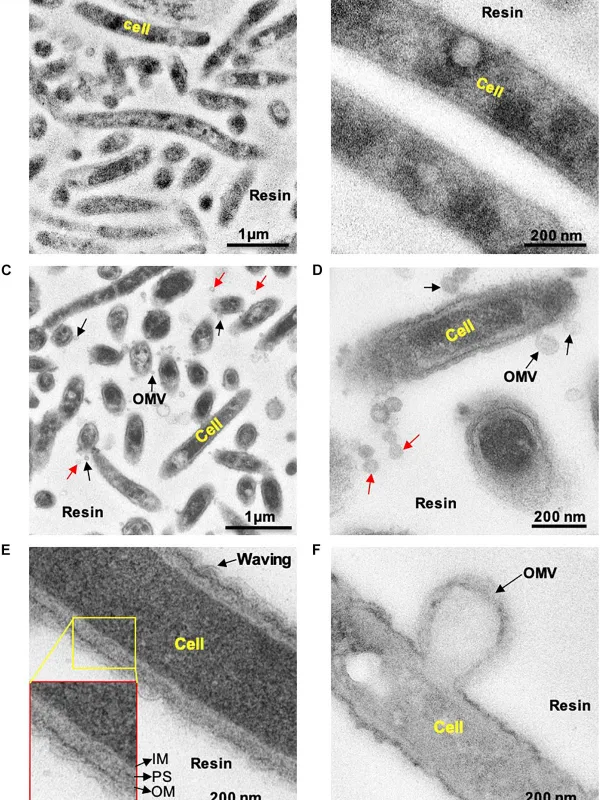
Description
Symptoms
The earliest symptom of infection is the emergence of chlorotic spots on leaves, which rapidly evolve into dark, necrotic tissue lesions.
Stems of the infected host often demonstrate signs of wilting and softening, frequently accompanied by an unpleasant odor indicative of bacterial putrefaction.
Vascular plugging occurs early, causing the plant to lose turgor pressure and display permanent wilting symptoms even when soil moisture is adequate.
Under conditions of high humidity, a bacterial exudate or viscous film may appear on the affected surfaces, serving as a sign of active bacterial spread.
- Stunting of new shoot growth.
- Discoloration of the stem base and root system.
- Necrosis spreading rapidly from the site of infection.
Pathogen
The genus Capnocytophaga consists of gram-negative, facultative anaerobic bacteria that can act as opportunistic plant pathogens, causing systemic infections.
These microorganisms are characterized by their ability to thrive within the vascular tissues of host plants, leading to the disruption of water and nutrient transport.
As a plant pathogen, it primarily triggers soft rot or vascular wilt, depending on the host species and environmental variables of the growing environment.
The bacteria utilize enzymatic action to degrade plant cell walls, which results in the rapid breakdown of tissue integrity and severe physiological decline.
Given their biology, these pathogens are highly persistent in soil and plant debris, enabling them to survive harsh seasonal changes successfully.
Conditions for development
Optimal development for Capnocytophaga occurs in environments characterized by high relative humidity (above 80%) and warm temperatures.
Poor cultural practices, such as excessive plant density and lack of proper ventilation in greenhouse settings, significantly facilitate the spread of the pathogen.
Physical injuries caused by insect vectors, including aphids and thrips, provide primary entry points for the bacteria to colonize internal plant tissues.
Nutritional imbalances, particularly deficiencies in calcium and potassium, weaken cell walls and increase the plant's susceptibility to bacterial invasion.
Infection is frequently disseminated via contaminated water droplets, pruning tools, and non-sanitized agricultural equipment used in field operations.
Why it matters
The primary economic harm involves the total loss of marketable quality in crops, as infected tissues decay rapidly during storage and transport.
High levels of pathogen pressure lead to plant death, significantly reducing crop density and total yield per hectare in affected agricultural areas.
The bacteria can easily spread from a localized point to an entire field, causing severe economic disruption and necessitating strict quarantine measures.
Once a field is infested, the pathogen remains viable in the soil for several years, severely limiting future crop rotation choices for the producer.
Efforts to control an active outbreak often require expensive chemical interventions and labor-intensive sanitation procedures to mitigate further losses.
Protection
The foundation of disease management is the exclusive use of certified, disease-free planting material to prevent initial introduction into the field.
Implementing a rigorous crop rotation schedule helps reduce the inoculum levels in the soil, preventing the build-up of the pathogen over time.
Application of copper-based bactericides and biological control agents is recommended as a preventative strategy to protect healthy plant tissues.
Stringent sanitation protocols for pruning shears, tractors, and other farm machinery are essential to stop the mechanical spread of the bacteria.
Regular monitoring and rapid removal of symptomatic plants are critical steps to prevent the escalation of an infection into a widespread epidemic.
Discussion
No discussions yet — be the first.