
Campylocarpon grape rot
Campylocarpon pseudofasciculare
Description
Symptoms
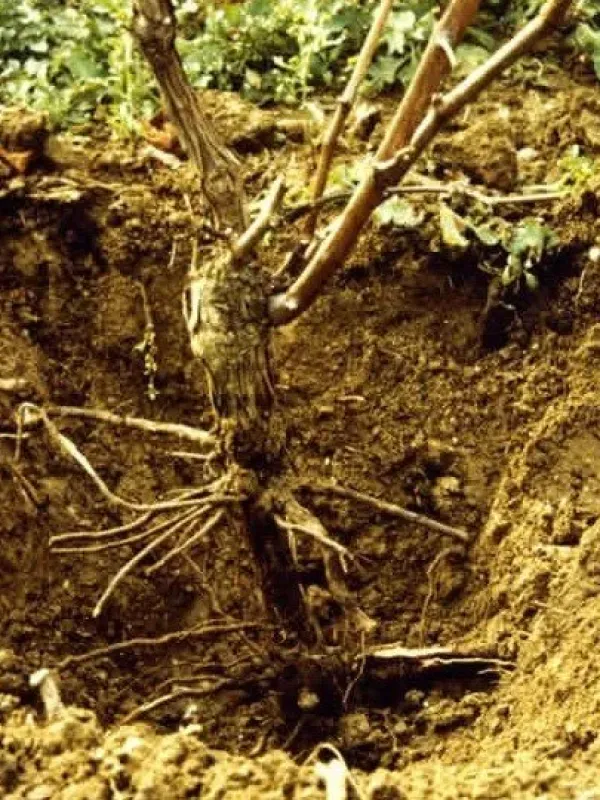
The primary symptoms of Campylocarpon infection include necrotic lesions and dark streaks on the rootstock and older wood of the vine.
Infected vines typically exhibit stunted growth, shortened internodes, and a general lack of vigor compared to healthy neighboring plants.
Root system analysis often reveals the decay of fine rootlets and the blackening of larger structural roots, severely impacting nutrient uptake.
When the trunk or cordons are cross-sectioned, characteristic necrosis and brown vascular discoloration are observed as the fungus spreads internally.
Leaves on infected vines may show signs of chlorosis, premature yellowing, and wilting, often leading to total vine collapse in severe cases.
Pathogen
The disease is caused by the fungus Campylocarpon pseudofasciculare, a key pathogen associated with the black foot disease complex in grapevines.
This soil-borne pathogen possesses a high survival capacity, remaining viable in decaying organic matter and soil for several years.
The fungus invades the plant through natural openings or wounds created by grafting, planting operations, or mechanical cultivation damages.
Once inside, the mycelium colonizes the vascular tissues, effectively blocking the xylem and disrupting the transpiration stream and hydraulic efficiency.
It often acts as a primary colonizer that facilitates the entry of other pathogenic fungi, leading to complex synergistic wood decay processes.
Conditions for development
The development of the disease is highly correlated with wet soil conditions and poor drainage, which favor the movement of fungal spores.
The primary route of long-distance dissemination is through the distribution of infected propagation material from nurseries with poor sanitary practices.
Compact and heavy soils that maintain high moisture levels for extended periods promote the growth and virulence of the pathogen in the rhizosphere.
Mechanical stress and root injury during soil cultivation significantly increase the probability of successful infection by the fungus.
Warmer temperatures combined with high soil moisture during the spring months create the most favorable window for initial colonization.
Why it matters
Campylocarpon infection is a leading cause of vineyard establishment failure, frequently necessitating the replanting of young, unproductive blocks.
The disease significantly reduces overall vineyard longevity and yield, as infected vines struggle to maintain their canopy and produce high-quality clusters.
Economic impact is compounded by the high costs of vineyard removal, soil sanitization, and the necessity of purchasing replacement vines.
Infected vines suffer from chronic water stress due to compromised roots, which lowers their tolerance to secondary stressors like drought or pests.
Because the pathogen can persist in the soil, the affected areas become high-risk zones, complicating future efforts to re-establish a healthy vineyard.
Protection
The most critical control measure is the exclusive use of high-quality, certified grapevine material sourced from reliable, virus- and fungus-free nurseries.
Implementing strict sanitation protocols for pruning and cultivation tools is essential to prevent the spread of the pathogen between vines.
Improving soil aeration through proper drainage systems and subsoiling is crucial to mitigating the humidity levels required for fungal proliferation.
Protective fungicide treatments applied to the root system before planting can provide an initial defense against primary infection by soil-borne fungi.
- Remove and destroy severely infected vines including the root mass.
- Practice rotation with non-host crops before re-planting.
- Monitor vine health annually for early signs of vascular distress.
Discussion
No discussions yet — be the first.