
Camarops tubulina
Camarops tubulina
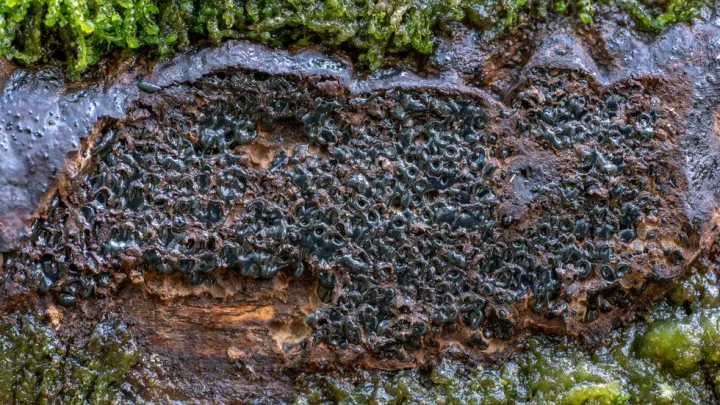
Description
Symptoms
The most diagnostic sign of Camarops tubulina infection is the presence of small, black, tube-like or cushion-shaped stroma erupting through the tree bark.
Infected areas of the wood exhibit significant discoloration, often turning darker than healthy wood. This is a clear indicator of the fungal decomposition process occurring within the fibers.
Bark peeling and cracking around the infection site are common symptoms. These physical defects allow further access for moisture and secondary insect pests to enter the tree.
Crown dieback is frequently observed in heavily infected trees. As the fungus disrupts the vascular system, the tree's ability to transport water and nutrients is severely compromised.
In advanced stages, the wood becomes soft and brittle, losing its structural integrity. This can often be observed where branches have broken off, revealing the decayed wood beneath.
Pathogen
The causative agent of this disease is the ascomycete fungus Camarops tubulina (also known as Bolinia tubulina). It is a specialized wood-decay fungus belonging to the order Boliniales.
This fungus acts primarily as a saprotroph, colonizing dead wood; however, it can function as a secondary parasite, invading stressed or damaged living trees. It plays a significant role in the natural decomposition of woody biomass.
The life cycle involves the formation of distinctive black stroma, which erupt through the bark. These structures serve as the fungal reproductive bodies and are characteristic of the species.
The mycelium penetrates deep into the sapwood and heartwood. It secretes enzymes that break down the lignocellulose complex, causing progressive wood decay and structural instability.
Dissemination is primarily achieved through airborne spores. These spores are released from the stroma and can colonize new hosts through bark fissures, wounds, or dead branch stubs.
Conditions for development
The development of Camarops tubulina is highly dependent on high moisture levels. It thrives in humid, shady, and poorly ventilated environments typical of dense forest stands.
Mechanical damage is the primary factor enabling fungal infection. Wounds caused by storms, logging operations, or wildlife act as entry points for the fungal spores.
The fungus is most active during the spring and autumn seasons when temperatures are moderate and rainfall is frequent. These conditions provide the necessary environment for rapid mycelial growth.
Poor stand management, including overcrowding and high levels of woody debris, promotes the spread of the fungus. A high density of decaying material increases the inoculum potential.
Old or weakened trees are significantly more susceptible to infection. The presence of heart rot in older trees provides a stable environment for the fungus to establish itself and grow.
Why it matters
The primary impact of this disease is the reduction in wood quality. For commercial timber production, infection leads to significant volume losses due to internal rot and decay.
Trees infected with Camarops tubulina become hazardous due to the loss of structural strength. This poses a safety risk in residential areas, parks, and along forest roads.
The infection leads to premature mortality of affected trees, which can alter the composition of forest stands over time. This disrupts the health of the local forest ecosystem.
In urban landscapes, infected trees lose their aesthetic value and ecological function. Management of these trees is costly due to the requirement for removal and disposal.
The buildup of the pathogen in the environment can hinder the regeneration of forest stands. Young saplings growing near infected debris are at a higher risk of early colonization.
Protection
Sanitation cutting is the most effective management strategy. Removing and destroying infected trees and debris reduces the fungal spore load in the local environment.
Proper site hygiene, including the removal of deadwood and slash from harvest operations, helps mitigate the potential for outbreaks in managed stands.
Wound prevention is essential to tree health. Care should be taken during forest operations to avoid wounding standing trees, as these injuries are the primary infection gateways.
When pruning trees in urban or park settings, applying protective wound dressings or disinfectants can help prevent spores from colonizing the exposed heartwood.
Maintaining appropriate stand density through regular thinning promotes better air circulation and light penetration, creating a less favorable microclimate for fungal colonization.
Discussion
No discussions yet — be the first.