
Calothrix
Calothrix
Description
Symptoms
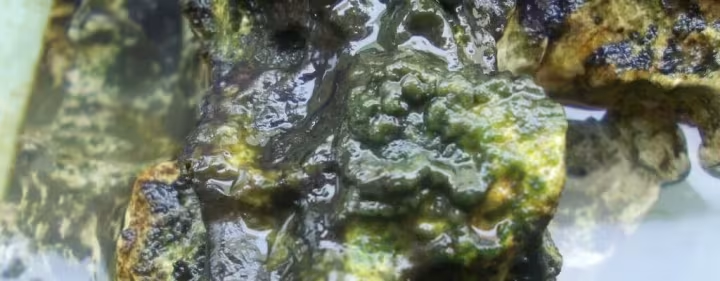
The first indicator of a Calothrix infestation is the appearance of blue-green or brownish films floating on the water surface of rice paddies.
As the infestation progresses, these films harden into dense, fibrous mats that can adhere to rice stems, effectively choking young plants.
Affected plants show distinct signs of chlorosis, stunted height, and reduced vigor due to the physical barrier created by the algal biomass.
Upon draining the field, one can observe a leathery, dark crust on the soil surface, which restricts gas exchange and hampers root development.
In severe cases, the water may develop a foul odor, and the overall plant stand becomes uneven due to patchy distribution of the cyanobacterial mats.
Pathogen
Calothrix is a genus of filamentous cyanobacteria commonly found in aquatic ecosystems, including paddy fields. While not a pathogen that invades plant tissue, it is considered an agricultural nuisance.
These organisms are capable of nitrogen fixation, which allows them to thrive in nutrient-rich aquatic environments often found in intensive rice farming.
The morphology consists of tapered filaments, often encased in sheaths, which can aggregate to form visible, dense mats on the soil or water surface.
They act as primary colonizers, creating complex biological structures that interfere with the abiotic factors required for optimal crop growth.
Understanding their lifecycle is key to managing the aquatic microenvironment to prevent these organisms from becoming dominant in the paddy field.
Conditions for development
Calothrix outbreaks are primarily fueled by water eutrophication, specifically high levels of available phosphorus and nitrogen from fertilizers.
Warm water temperatures, typically ranging from 25°C to 30°C, combined with high sunlight intensity, create the optimal conditions for rapid proliferation.
Stagnant water in the fields, caused by poor drainage or low irrigation turnover, provides the stability needed for these organisms to form colonies.
The pH levels of the water also influence growth, as these cyanobacteria tend to prefer neutral to slightly alkaline aquatic environments.
Accumulation of organic debris in the soil provides a secondary source of nutrients that sustains the population even during periods of low light.
Why it matters
The primary damage is the physical interference with light penetration, preventing young rice seedlings from conducting effective photosynthesis.
Massive algal blooms lead to significant fluctuations in dissolved oxygen levels, which can cause root suffocation (hypoxia) in the rice crop.
Calothrix competes directly with the crop for essential minerals, potentially leading to nutrient deficiencies that manifest as overall yield reduction.
The decay of accumulated algal mats can release secondary metabolites that are phytotoxic to the delicate roots of the rice plants.
Persistent infestations complicate routine field management and lower the economic efficiency of fertilizer and pesticide applications.
Protection
Effective management begins with strict nutrient management to prevent the over-application of fertilizers that trigger algal growth.
Improving water management, specifically by ensuring constant circulation or periodic flushing of the paddies, is highly effective in disrupting colonization.
The application of selective algicides can be used as a targeted treatment to eliminate established mats without damaging the rice crop.
Cultural practices, such as maintaining optimal plant density to shade the water surface, naturally suppress the growth of light-dependent Calothrix.
Temporary drainage of the paddy field can be used to desiccate and destroy the cyanobacterial mats, interrupting their lifecycle and reducing field pressure.
Discussion
No discussions yet — be the first.