
Caloplaca carphinea
Caloplaca carphinea
Description
Symptoms
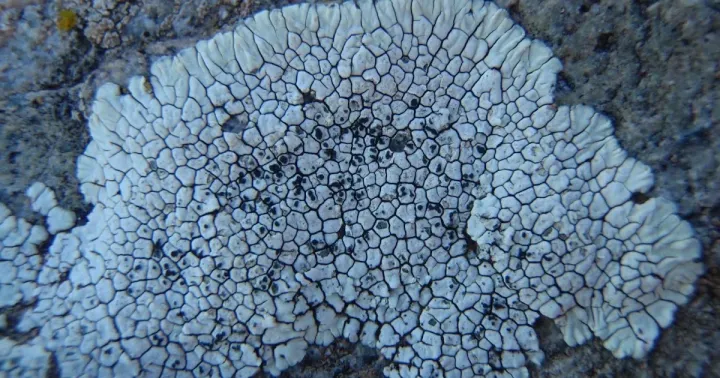
Caloplaca carphinea is a crustose lichen that forms tight, crust-like patches directly attached to the bark of trees.
The thallus typically exhibits a yellowish or straw-yellow color, making it clearly distinguishable against the darker backdrop of tree bark.
The surface texture is often granular or slightly tuberculate, featuring numerous apothecia, which appear as small, disk-shaped fruiting bodies.
In cases of significant colonization, the lichen may crack, creating a visual appearance that can be mistakenly identified as bark disease or lesions.
Crucially, this organism remains strictly superficial and does not penetrate into the vascular tissues or cambium of the host plant.
Pathogen
The organism is Caloplaca carphinea, a symbiotic biological entity consisting of a fungus and photosynthetic algae.
It is classified as an epiphyte, meaning it uses the tree solely as a substrate for physical support and access to sunlight.
In agronomy, it is not considered a true disease-causing pathogen because it does not extract nutrients or moisture directly from the tree.
Its biological cycle is characterized by slow growth and high resilience to environmental fluctuations, allowing it to persist for years.
Its presence is primarily an ecological indicator of the tree's bark surface conditions rather than a direct health threat.
Conditions for development
The colonization of this lichen is highly dependent on ambient humidity levels and exposure to light.
Dense, unpruned tree canopies that limit air circulation and trap moisture create favorable micro-environments for its development.
It prefers well-lit surfaces, often colonizing isolated trees or the outer branches of orchard trees where sunlight is abundant.
Trees with slow bark renewal rates are more susceptible, as stable surfaces are required for the lichen to establish its thallus.
While tolerant of dry spells, it thrives during periods of high atmospheric moisture or frequent rainfall.
Why it matters
While the lichen itself is not parasitic, heavy colonization can contribute to secondary issues in the orchard.
Dense lichen patches provide excellent hiding spots and wintering habitats for various insect pests, including scales and mites.
Persistent moisture trapped beneath the lichen layer may lead to the softening of bark, potentially creating opportunities for opportunistic wood-rotting fungi.
In extreme cases, excessive coverage may slightly impair gas exchange through the lenticels, adding stress to an already struggling tree.
Ultimately, a high density of lichen acts as a sign of neglected maintenance or poor environmental conditions within the orchard.
Protection
Proper pruning and thinning of the tree canopy are the most effective preventive measures to ensure airflow and reduce humidity.
Mechanical removal using soft wire brushes or scrapers during the dormant season is a common practice to clean the trunks.
Applying lime wash, especially when combined with copper-based fungicides, is a traditional and effective method to prevent lichen regrowth.
Improving overall tree vitality through adequate nutrition and irrigation helps promote vigorous bark expansion, which discourages lichen growth.
- Annual canopy thinning to maximize sunlight exposure.
- Sanitary removal of dead or decaying branches.
- Spring cleaning of trunks to remove excessive bark debris.
- Monitoring the orchard for signs of pest infestations hidden by lichens.
Discussion
No discussions yet — be the first.