
Calophoma
Calophoma
Description
Symptoms
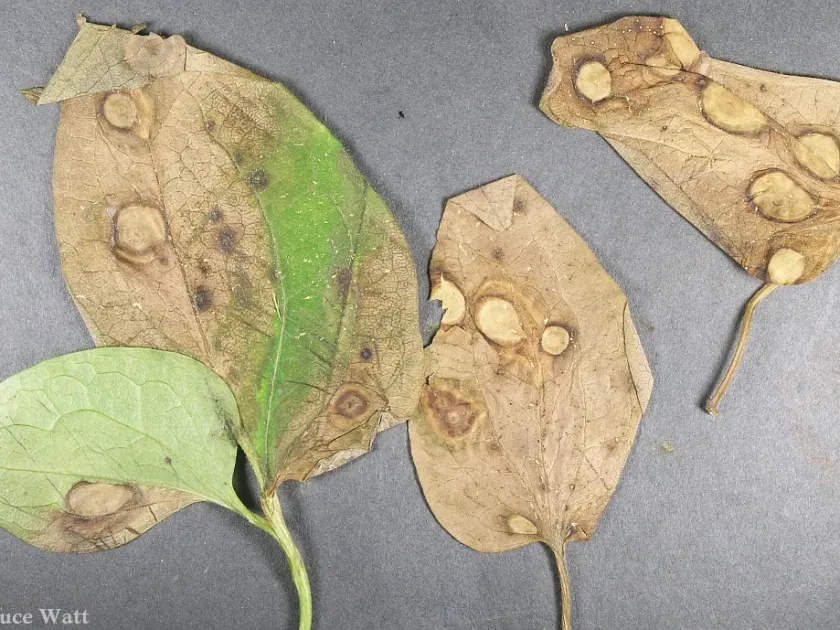
The typical symptoms of Calophoma infection include the appearance of small, irregular lesions on leaves. These spots initially appear water-soaked and eventually turn necrotic, developing brown or greyish centers.
As the infection progresses, lesions on the stems may develop, often causing girdling or stem rot. This disrupts the translocation of nutrients and water, potentially leading to wilting and death of distal plant parts.
One of the most distinct diagnostic features is the development of tiny, black, flask-shaped pycnidia within the center of the necrotic spots, which can be visible to the naked eye or with a hand lens.
Severe infestations cause premature leaf yellowing, necrosis, and defoliation, which severely compromises the structural integrity and aesthetic value of the plant.
Root or crown rot symptoms may also occur in some host species, characterized by darkened tissue and general plant stunting, which is often mistaken for nutrient deficiencies or water stress.
Pathogen
The disease is caused by fungi belonging to the genus Calophoma, which are members of the Ascomycota phylum. These pathogens were historically grouped under the genus Phoma, leading to overlap in older scientific literature.
The fungus produces structures known as pycnidia, which serve as reproductive organs containing conidia. These spores are dispersed by water splashes and wind, facilitating the spread of the pathogen across host plants.
The pathogen is known for its high saprotrophic capability, allowing it to survive on dead organic material in the soil or crop debris for long periods, which acts as a primary inoculum source.
Genetic variability within the Calophoma genus enables these fungi to infect various hosts, ranging from ornamental plants to essential agricultural field crops.
Chlamydospores, which are thick-walled resting spores produced by the fungus, allow the pathogen to withstand extreme environmental conditions including frost and drought, ensuring its persistence in the environment.
Conditions for development
Warm and humid conditions are the primary drivers of Calophoma development. Spore germination and colonization occur most rapidly when leaf surfaces remain moist for extended periods.
Temperatures ranging from 18°C to 24°C are considered optimal for the pathogen's growth, allowing the fungus to complete its infection cycle in a relatively short timeframe.
Poor ventilation within plant canopies, caused by overcrowding or dense planting, traps moisture and creates a microclimate highly conducive to rapid disease spread.
Overhead irrigation, especially during the morning or evening, provides the free moisture required by the spores to infect healthy plant tissues, exacerbating the disease problem.
Plants under nutrient stress, particularly those lacking sufficient potassium or micronutrients, show higher susceptibility to infection compared to well-nourished, vigorous plants.
Why it matters
The economic impact of Calophoma is significant as it reduces the photosynthetic area of the leaves, directly leading to decreased yields and diminished vigor of the crops.
In ornamental horticulture, the disfigurement caused by lesions makes plants unsaleable, causing direct financial losses to nurseries and growers.
The structural weakening of stems and branches due to necrosis increases the risk of damage from wind or heavy rain, leading to harvest losses and mechanical failure.
Systemic infections can shorten the lifespan of perennial plants, necessitating premature replanting and increasing long-term maintenance costs for farmers and landowners.
The disease also affects the post-harvest quality of fruits and vegetables if the pathogen persists on the surface during storage or transport, leading to rot and high spoilage rates.
Protection
Effective control of Calophoma relies on integrating cultural, chemical, and biological methods to reduce the inoculum pressure in the field or greenhouse environment.
Strict sanitation measures, such as the removal and destruction of crop residues at the end of the season, are crucial to prevent the survival of the pathogen in the soil.
Providing adequate spacing between plants ensures proper airflow, which helps to keep foliage dry and creates an unfavorable environment for fungal spore germination.
Chemical control should involve the use of preventive fungicides during periods of high humidity and favourable temperatures to protect healthy plant tissues from infection.
- Utilize disease-resistant plant varieties where possible.
- Implement proper drainage to avoid soil moisture accumulation.
- Disinfect all pruning tools with approved antimicrobial solutions.
- Rotate crops to break the lifecycle of the pathogen.
Discussion
No discussions yet — be the first.