
Caloneis amphisbaena
Caloneis amphisbaena
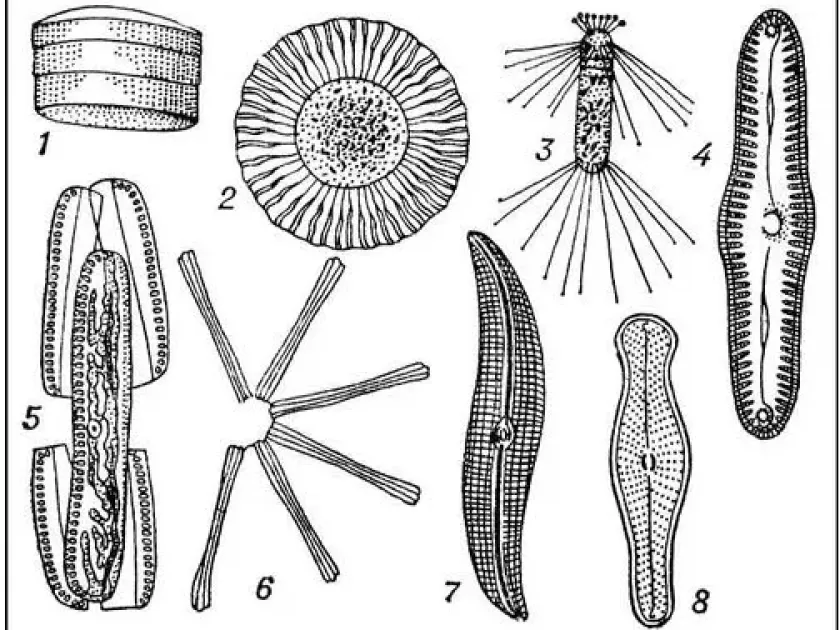
Description
Pathogen
Caloneis amphisbaena is a species of diatomaceous algae characterized by its unique siliceous shell structure. It belongs to the Pinnulariaceae family and is commonly found in freshwater environments.
In agricultural settings, this organism is not classified as a direct plant pathogen. Instead, it is categorized as a nuisance organism that thrives in irrigation pipes, water tanks, and hydroponic systems.
The organism consists of elongated cells that reproduce through binary fission. Its ability to form colonies allows it to rapidly colonize wet surfaces when environmental conditions are optimal.
Microscopic analysis reveals a distinct shape with rounded or capitate ends, allowing for accurate identification in field samples taken from irrigation equipment.
As a photoautotroph, the alga relies on sunlight and mineral nutrients to synthesize organic matter, often leading to the formation of visible biofilms on surfaces.
Conditions for development
The proliferation of Caloneis amphisbaena is heavily dependent on the presence of nitrogen and phosphorus in the water supply. Increased nutrient load significantly accelerates growth.
This species is highly adaptable to various pH levels, preferring neutral to slightly alkaline water, which is frequently found in agricultural irrigation setups.
Temperature serves as a key driver for colonization. Moderate to warm temperatures during the growing season facilitate faster metabolic rates and rapid biomass accumulation.
Stagnant or low-flow water environments are the most prone to contamination, as the organism can easily attach to pipe walls and filtration membranes.
Inadequate light management in hydroponic systems often leads to massive outbreaks, as exposure to direct sunlight fuels the photosynthesis required for the diatom's survival.
Why it matters
The primary concern regarding this alga is the mechanical clogging of drip irrigation emitters and spray nozzles, which leads to uneven distribution of water and fertilizer.
In hydroponic culture, excessive algal mats can coat root systems, reducing oxygen availability and hindering the uptake of essential nutrients by the crops.
The chemical composition of nutrient solutions can be altered by the metabolic activity of the algae, potentially causing nutrient imbalances for sensitive plants.
Decaying algal biomass serves as an organic substrate that invites secondary colonizers, including fungi and small insect pests like fungus gnats.
Overall operational efficiency drops due to the need for frequent maintenance and cleaning of irrigation infrastructure to remove the stubborn siliceous biofilms.
Protection
Preventative measures should focus on the implementation of high-quality filtration systems capable of removing microscopic particulates from the water source.
Ensuring that all water tanks and irrigation lines are opaque or light-shielded is essential to prevent the photosynthesis necessary for diatom propagation.
Routine chemical sanitization using approved algicides and oxidizing agents can effectively eliminate biofilms and prevent the re-establishment of algal colonies.
Maintaining a balanced nutrient regime and preventing excessive runoff into irrigation reservoirs will naturally limit the population density of the algae.
- Regular high-pressure flushing of all irrigation lines.
- Consistent monitoring of water nutrient levels to avoid eutrophication.
- Manual scrubbing of tanks and troughs to remove established diatom films.
Discussion
No discussions yet — be the first.