
Calonectria spathulata
Calonectria spathulata
Description
Symptoms
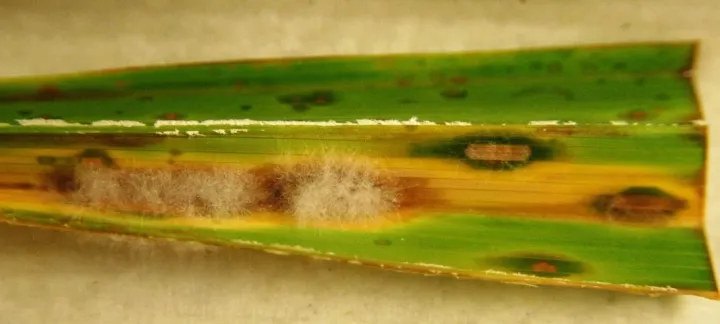
The disease typically starts with the appearance of small, water-soaked spots on the leaves. Over time, these spots expand, turn brown or dark grey, and may develop a yellowish halo around them.
Root rot is a major symptom of this fungal infection. Affected roots often turn black, become soft, and lose their ability to absorb water and nutrients, which eventually leads to the wilting of the entire plant.
Stem lesions, often appearing at the soil line, are common in seedlings. These lesions can progress quickly, causing the stem to collapse, a condition frequently described as damping-off in propagation stages.
Under high humidity, white or cream-colored sporulation may become visible on the surface of infected tissues. This is a clear indicator that the fungus is actively reproducing and spreading.
- Chlorotic or necrotic leaf spots
- Decayed and darkened root systems
- Stem lesions and damping-off
- Premature leaf drop and wilting
- General plant stunting
Pathogen
Calonectria spathulata is a pathogenic ascomycete fungus known for causing severe diseases in various ornamental and woody plant species. It is characterized by its ability to persist in soil and plant debris for long periods.
The fungus produces asexual spores called conidia, which are primarily responsible for the rapid spread of the disease within nurseries and greenhouses. These spores are easily disseminated by irrigation water, splashing rain, and contaminated tools.
Taxonomically, this species belongs to a group of pathogens that cause blight, leaf spots, and crown rots. Its biological activity is highly dependent on environmental moisture levels, which trigger the germination of spores on the plant surface.
The fungus invades the host through various entry points, including natural openings like stomata or through microscopic wounds. Once inside, it utilizes enzymes to degrade host cell walls, leading to tissue decay.
Understanding the biology of Calonectria spathulata is essential for effective disease management. The fungus can survive as dormant mycelium or specialized structures, ensuring its presence in the soil from one season to the next.
Conditions for development
High relative humidity, typically exceeding 90%, is the most significant factor favoring the development of Calonectria spathulata. Persistent moisture on foliage or in the growth medium is critical for infection.
Optimal temperatures for the growth of this pathogen range between 20°C and 28°C. These conditions are commonly found in greenhouse environments, making these facilities particularly vulnerable to outbreaks.
Poor airflow and high plant density exacerbate the spread of the pathogen by preventing the rapid drying of plant surfaces. Adequate spacing and ventilation are key to maintaining a disease-free environment.
Soil or growing media with poor drainage or aeration creates a favorable environment for root-infecting stages of the fungus. Overwatering is a common mistake that creates a breeding ground for this disease.
Contaminated equipment, such as pots, tools, and hands, frequently serves as the vector for introducing the fungus into new areas within the production site.
Why it matters
The primary economic impact of Calonectria spathulata is the destruction of young seedlings and nursery stock. High levels of infection can lead to complete loss of nursery production in a short time.
For mature ornamental plants, the disease ruins aesthetic appeal, rendering the plants unmarketable. Financial losses include the cost of ruined inventory and the labor required for disease management and cleanup.
Long-term soil infestation makes it difficult to cultivate susceptible species in the same area. This necessitates expensive soil sterilization or replacement to restore the productivity of the land.
Infected plants serve as a persistent source of inoculum, threatening healthy neighboring plants. This creates a cycle of infection that is difficult to break without rigorous sanitation practices.
Production schedules are often severely disrupted by outbreaks, leading to supply chain issues and decreased reliability in the horticulture industry.
Protection
Sanitation is the cornerstone of Calonectria spathulata management. This includes the use of sterilized soil, clean tools, and high-quality, pathogen-free nursery stock.
Cultural practices, such as optimizing irrigation timing and improving airflow, can significantly reduce the risk of infection. Avoiding overhead watering reduces the chances of spore dispersal via water splashes.
Biological control agents, such as beneficial fungi or bacteria applied to the soil, can help suppress the population of the pathogen. These methods are becoming increasingly popular in integrated pest management programs.
Chemical control involving systemic fungicides is effective if applied early in the disease cycle. It is crucial to rotate different fungicide modes of action to prevent the pathogen from developing resistance.
Regular monitoring and immediate removal of infected plant material are necessary to curb the spread of the disease. Destroying symptomatic plants helps keep the inoculum pressure low throughout the growing season.
Discussion
No discussions yet — be the first.