
Calonectria pyrochroa
Calonectria pyrochroa
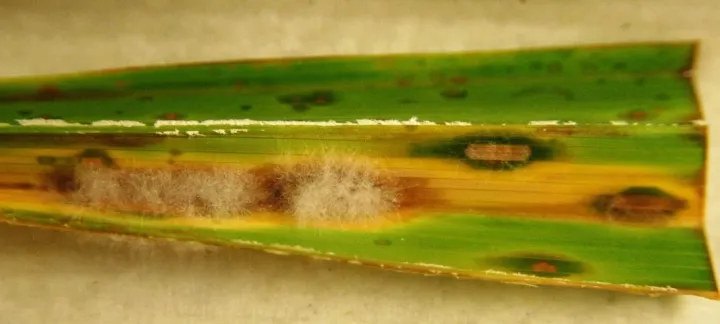
Description
Symptoms
Early symptoms typically present as chlorotic spots on foliage, which eventually develop into distinct, dark brown necrotic lesions across the leaves.
Stem base infection is common, often characterized by sunken, reddish-brown to black lesions that can girdle the stem and lead to plant collapse.
Under conditions of high humidity, fine white to creamy sporulation may become visible on the surface of infected stem areas or root collars.
The root system becomes brown, brittle, and necrotic, leading to a general decline in plant vigor, wilting, and eventually total plant death.
- Stunted growth of new shoots.
- Wilting despite adequate soil moisture.
- Root discoloration and tissue disintegration.
- Premature yellowing and leaf drop.
Pathogen
Calonectria pyrochroa is an ascomycete fungus that acts as a significant soil-borne plant pathogen, capable of infecting a wide variety of botanical species.
The pathogen persists in the soil through resilient structures such as microsclerotia and chlamydospores, which allow it to remain viable for extended periods.
Dissemination of conidia primarily occurs through water splashes during irrigation or rain, as well as through the movement of contaminated equipment and tools.
It specifically targets the root system and the stem base, invading the host tissues and effectively disrupting the plant's ability to transport nutrients.
The biological lifecycle of this fungus is highly adaptive, allowing it to thrive in diverse soil conditions and quickly establish itself as a primary cause of decay.
Conditions for development
High relative humidity levels, typically exceeding 85–90%, are the primary environmental drivers for the rapid development of Calonectria pyrochroa infections.
The pathogen exhibits optimal growth at temperatures ranging from +20°C to +28°C, which are frequently encountered in greenhouse and nursery environments.
Poor aeration and high plant density create stagnant microclimates that facilitate the spread of fungal spores between neighboring host plants.
Excessive irrigation and poorly drained potting media are critical factors that exacerbate disease outbreaks by stressing the roots and promoting fungal growth.
Wounds caused by insect pests or improper handling provide direct entry points for the pathogen to invade healthy plant tissues more efficiently.
Why it matters
The economic impact of this disease is significant in plant nurseries, where it can cause widespread mortality of young, susceptible plant materials.
Its ability to cause severe root rot often results in the rapid loss of ornamental value, rendering the crops unsuitable for market or professional use.
As a broad-host-range pathogen, Calonectria pyrochroa poses a recurring threat to various plant species, complicating the implementation of effective crop rotations.
The persistent nature of the fungus in the soil requires intensive and costly remediation efforts, which increase the overall production expenses for nurseries.
Affected plants that survive the initial infection remain stunted and weak, preventing them from meeting the necessary standards for healthy plant sales.
Protection
Preventative measures start with the rigorous selection of disease-free propagation material and the implementation of strict nursery hygiene protocols.
Maintaining optimal drainage and ensuring adequate air circulation are essential to mitigate the conditions that favor fungal infection and proliferation.
Prompt identification and physical removal of symptomatic plants, including the surrounding soil, is critical to contain the spread of the pathogen.
Regular sanitation of all tools, containers, and work surfaces using effective disinfectants is highly recommended to eliminate sources of primary inoculum.
Integrated pest management, including the appropriate use of targeted fungicides, can help protect susceptible crops, provided that resistance management is applied.
Discussion
No discussions yet — be the first.