
Calonectria henricotiae
Calonectria henricotiae
Description
Symptoms
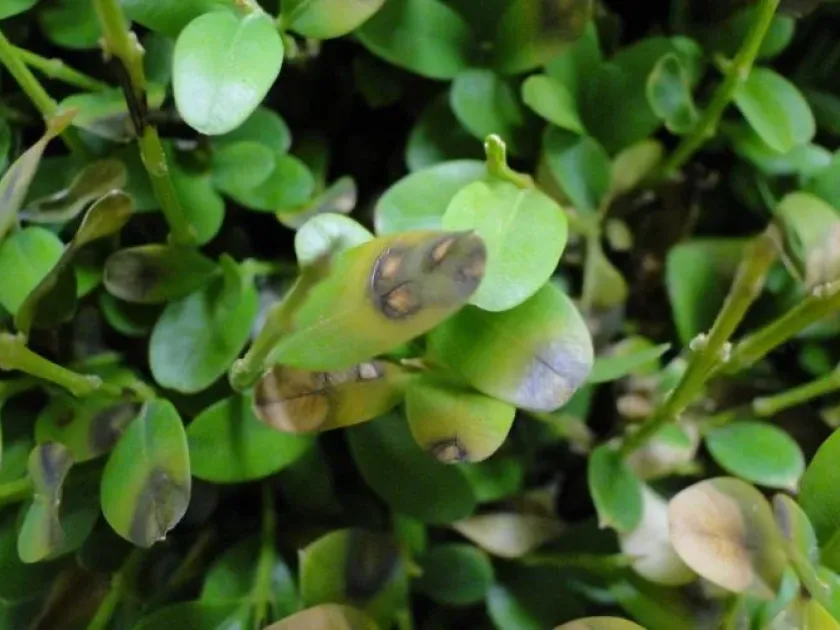
The initial signs of infection include small, chlorotic spots on the foliage that gradually transition into dark brown or black necrotic lesions. A characteristic yellow halo often surrounds these lesions as the disease progresses.
Under conditions of high humidity, a white to cream-colored mass of conidia may become visible on the surface of the lesions. This sporulation is a critical diagnostic feature and facilitates the secondary spread of the disease.
Stem infections manifest as elongated, sunken lesions that can eventually girdle the stem. This disrupts the plant's vascular system, leading to rapid wilting, dieback of distal branches, and eventual death of the affected plant part.
Root system damage is common, resulting in browning, decay, and loss of fine root hairs. Infected plants often exhibit stunted growth and loss of vigor, which are visible even before severe leaf symptoms appear.
In greenhouse settings, seedlings may suffer from damping-off, where the base of the stem becomes rotten, leading to the collapse of the entire young plant.
Pathogen
The disease is caused by the pathogenic fungus Calonectria henricotiae, a member of the ascomycete group. It is a highly specialized fungus that reproduces primarily through conidia, which serve as the main agents for rapid spread during the growing season.
This pathogen possesses the ability to form resistant structures known as microsclerotia, which allow it to persist in soil and organic debris for several years. This survival strategy makes eradication of the fungus particularly difficult in contaminated fields.
The fungus invades host plants by secreting specialized enzymes that degrade plant cell wall components, leading to tissue softening and necrosis. Its aggressive nature allows it to colonize various tissues, including roots, stems, and leaves.
Dissemination occurs via water splashes during irrigation or rain, and through contaminated farm tools or nursery equipment. Airborne spores can also travel short distances, contributing to the establishment of new infection sites.
Research into the biology of Calonectria henricotiae suggests that it thrives in high-moisture environments, often causing significant damage in commercial nurseries where plant density is high and airflow is limited.
Conditions for development
Environmental conditions are the primary drivers for Calonectria henricotiae development. High relative humidity levels exceeding 85-90% are essential for spore germination and successful colonization of host tissues.
The fungus exhibits optimal growth at temperatures between 20°C and 25°C. Within this range, the pathogen reproduces rapidly, and the incubation period of the disease is significantly shortened.
Poor ventilation and high plant density are significant risk factors. Stagnant air allows moisture to remain on leaf surfaces for extended periods, providing a perfect medium for the fungus to penetrate the plant.
Mechanical injuries resulting from pruning, handling, or insect feeding provide easy entry points for the fungal mycelium. Minimizing physical damage to plants is therefore crucial for disease management.
Consistent irrigation practices that keep soil excessively wet or lead to frequent leaf wetting significantly increase the incidence of infection, especially in enclosed environments.
Why it matters
The economic impact of the pathogen is substantial, particularly in ornamental horticulture and forestry. Infected stock often loses its marketability due to unsightly lesions and reduced plant health.
Photosynthetic capacity is severely impaired when foliage is damaged, causing the plant to starve and lose its ability to produce high-quality flowers or fruits. This leads to diminished yields and poor commercial quality.
Massive losses of seedlings in nurseries are a common consequence of Calonectria henricotiae, forcing growers to discard entire batches of inventory and incurring significant financial losses.
The debilitated state of infected plants makes them highly susceptible to secondary invaders, including opportunistic bacteria and other fungi, which complicate recovery and treatment.
If not properly managed, the fungus establishes a reservoir in the soil, creating a long-term threat to subsequent crops and necessitating expensive soil treatment protocols.
Protection
The most effective strategy for managing the pathogen is a rigorous sanitation program. Growers must ensure that all incoming plant material is disease-free and that all propagation areas are kept strictly hygienic.
Soil disinfection, including steam treatment or specialized chemical fumigation, is necessary when dealing with suspected soil contamination. Ensuring proper drainage in both pots and field beds helps to reduce humidity levels.
Cultural practices should focus on maintaining adequate spacing between plants to improve airflow and reduce moisture accumulation. Proper pruning techniques can also prevent injury-related infections.
Chemical control options include the use of systemic fungicides, particularly those containing benzimidazoles or triazoles. Applications should be performed preventatively during peak humidity periods.
- Regular removal and destruction of infected plant debris.
- Implementation of drip irrigation to keep foliage dry.
- Use of biological control agents such as Trichoderma species.
- Monitoring and early detection through routine plant inspections.
Discussion
No discussions yet — be the first.