
Calonectria gracilis
Calonectria gracilis
Description
Symptoms
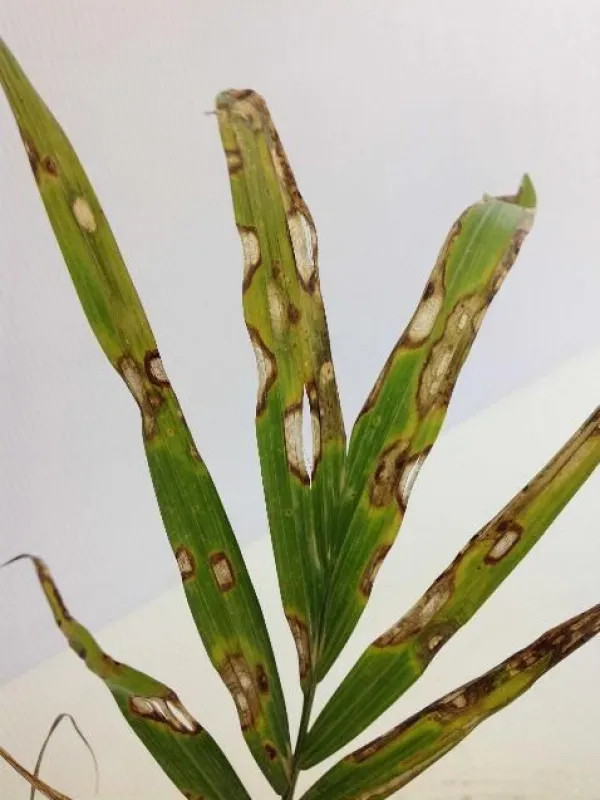
Initial symptoms include small chlorotic spots on leaves that gradually turn dark brown or black. A light-colored halo often surrounds these lesions, indicating the colonization of the fungus within the leaf tissue.
Stem infections typically manifest as necrotic areas that can girdle the shoot, causing wilting and eventual death of the affected plant part. In high-humidity conditions, a faint white or cream-colored growth may be visible on the necrotic spots.
In young seedlings, the pathogen often attacks the root collar, leading to soft rot and damping-off. Infected plants typically show signs of stunted growth, leaf discoloration, and premature leaf drop.
In advanced stages of the disease, leaf tissue may crack, resulting in irregular holes. If the infection is severe, it can lead to total defoliation and the death of apical shoots, severely compromising the plant's structure.
Accurate diagnosis often requires laboratory analysis, such as microscopic identification or molecular methods, as visual symptoms can be easily confused with other Cylindrocladium or Calonectria species.
Pathogen
The causal agent of this disease is the ascomycete fungus Calonectria gracilis (the anamorph stage is Cylindrocladium gracile). This microorganism is a significant pathogen that affects a wide variety of woody and herbaceous plant species worldwide.
The life cycle of the fungus includes both asexual and sexual reproduction phases, which contributes to its ecological flexibility. The pathogen can survive for extended periods in the soil or on plant debris in the form of microsclerotia or chlamydospores.
Infection is primarily spread via conidia, which are dispersed by splashing water, irrigation, or contaminated plant material. Spores germinate upon contact with host tissues, entering the plant through stomata or mechanical wounds.
The fungus is highly virulent, rapidly colonizing the vascular system and epidermal tissues. During infection, it secretes specific enzymes and toxins that degrade cell walls, leading to tissue necrosis and collapse.
The biology of Calonectria gracilis is closely linked to high humidity, allowing it to produce abundant spore masses on the surface of infected organs, which facilitates quick secondary infections.
Conditions for development
The development of Calonectria gracilis is favored by high relative humidity and moist soil conditions, making greenhouses and nurseries particularly susceptible environments. The optimal temperature for the fungus typically ranges between 20°C and 28°C.
Overcrowded plantings and poor air circulation create an ideal microclimate for pathogen spread. Excessive irrigation and prolonged leaf wetness are major factors that trigger spore germination and infection.
The use of contaminated growing media or unclean tools for propagation significantly increases the risk of outbreaks. The pathogen can easily be introduced into a clean environment through infected cuttings or nursery stock.
Poor agricultural practices, such as excessive nitrogen fertilization, encourage the growth of soft, succulent tissue that is more easily invaded by the fungus. Plant stress caused by drought, temperature fluctuations, or inadequate light further increases susceptibility.
The disease is most active during periods of rapid plant growth when environmental conditions provide sufficient moisture for the pathogen's proliferation.
Why it matters
The primary economic damage from Calonectria gracilis involves the loss of ornamental value in nursery and flower crops. Severe outbreaks can lead to the total rejection of plant batches for sale due to unappealing necrotic lesions.
The disease significantly reduces plant growth rates and photosynthetic efficiency, leading to the depletion of nutrient reserves in perennials. This reduces their winter hardiness and overall resilience against secondary infections.
In nursery settings, the pathogen can spread rapidly, affecting thousands of plants in a short timeframe. The cost of containment, including fungicide applications and sanitation, significantly increases production expenses.
Chronic root system infection prevents normal plant development, often making recovery impossible. Severe infestations can kill entire plant populations within weeks, causing substantial financial loss for growers.
Furthermore, the presence of the fungus in the soil limits the crop rotation options, as susceptible species cannot be grown in infested sites for a considerable period.
Protection
The most important control measure is strict sanitation in greenhouses: immediate removal and destruction of infected plant debris, and thorough disinfection of tools, pots, and surfaces.
Management of humidity levels through adequate ventilation is essential. Irrigation should be applied at the base of the plant to avoid wetting the foliage, especially in the evening when plants stay damp overnight.
Preventive application of fungicides is recommended during periods of high risk. Systemic fungicides, particularly those containing strobilurins or triazoles, can be effective in protecting healthy tissue from infection.
Sourcing clean, disease-free planting material and maintaining appropriate plant spacing are critical for reducing pathogen spread. Implementing a quarantine period for any new plant introductions is a standard best practice.
- Regular monitoring for early signs of lesions or wilting.
- Rotation to non-host crops in field conditions to interrupt the life cycle.
- Steam or chemical sterilization of soil and growing media before use.
- Use of resistant or tolerant cultivars where available.
Discussion
No discussions yet — be the first.