
Calonectria canadiana
Calonectria canadiana
Description
Symptoms
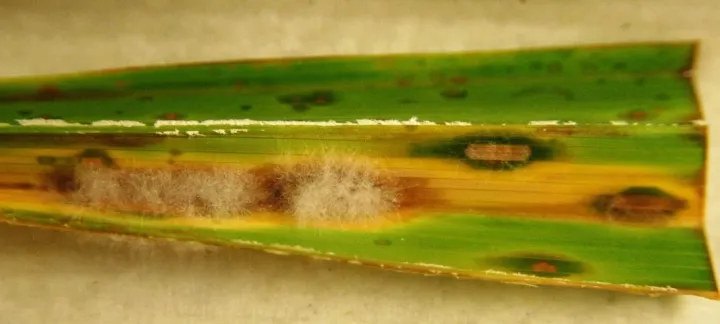
The initial symptoms include chlorotic spotting on leaves, which gradually transitions into necrotic lesions as the fungal infection progresses.
Stem and root rot are common, manifested as dark, sunken lesions that weaken the structural integrity of the plant and cause stunting.
Under high humidity, a characteristic white or creamy mold growth consisting of fungal spores may be observed on the affected stem and leaf surfaces.
The root system often exhibits browning and decay, significantly reducing the plant's ability to uptake water and essential minerals from the soil.
Premature wilting and collapse of the plant are typical signs in the late stages of infection, often leading to total crop failure in heavily infested areas.
Pathogen
The disease is caused by the fungus Calonectria canadiana, which is classified within the Hypocreales order. It is a soil-borne pathogen known for its ability to persist in plant debris.
The pathogen produces conidia, which serve as the primary inoculum for spreading the infection among plants during favorable environmental conditions.
Calonectria canadiana is capable of forming microsclerotia, which allow it to survive in the soil for extended periods, even in the absence of a host plant.
The fungus exhibits a necrotrophic lifestyle, damaging plant tissues and deriving nutrients from dead or dying cells, which leads to tissue collapse.
Genetic variability within the species enables it to adapt to different environmental stresses, making it a persistent challenge for agricultural production.
Conditions for development
Prolonged high humidity and soil moisture are the most critical factors triggering the germination of fungal spores and the development of the disease.
The fungus thrives in warm temperatures, typically between 20°C and 28°C, which increases the intensity of infection during the peak growing season.
Continuous monocropping or short crop rotations facilitate the buildup of inoculum levels in the soil, making subsequent crops highly vulnerable.
Dense plant canopies that limit air circulation provide the humid microenvironment required for the rapid spread of the pathogen from leaf to leaf.
Soil compaction or damage to the root system during cultivation provides easy entry points for the mycelium to infect the host plant.
Why it matters
The economic impact is significant due to decreased yields and the potential for total loss of specific patches within the field.
Seedling mortality is a major concern, as the disease can wipe out young stands, forcing farmers to bear the cost of replanting large areas.
Infected crops often show reduced vigor and quality, which affects their marketability and suitability for long-term storage or processing.
Increased expenditures on fungicides and labor-intensive sanitation practices raise the overall cost of production for the agricultural enterprise.
Persistence of Calonectria canadiana in the soil severely limits land-use flexibility, often excluding preferred crops from the rotation plan for several years.
Protection
Implementing a strict crop rotation strategy is the primary method of management to reduce the soil-borne inoculum density over time.
Using certified, disease-free seed and applying appropriate seed treatments are essential preventative steps before sowing.
Deep plowing and efficient management of crop residues help in decomposing the fungal host material and reducing the survival rate of microsclerotia.
Timely application of systemic fungicides at the onset of symptoms can help limit the spread of the disease across the field.
- Ensuring proper soil drainage to avoid waterlogged conditions.
- Balanced nutrient management to enhance plant resistance.
- Sterilizing equipment used in fields suspected of contamination.
Discussion
No discussions yet — be the first.