
Calonectria brasiliensis
Calonectria brasiliensis
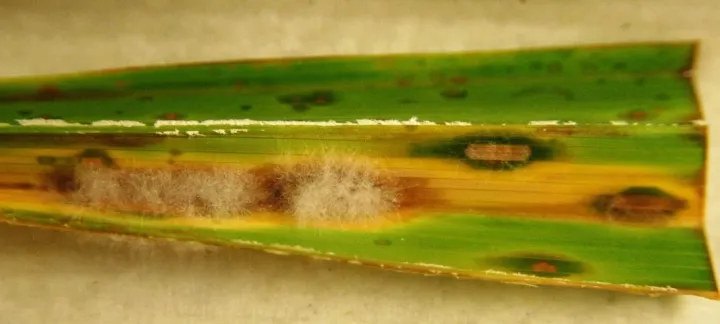
Description
Symptoms
Symptoms often manifest as necrotic leaf spots, which typically appear irregular and brown, frequently surrounded by a darker or yellowish margin.
Infections on stems and trunks often lead to the formation of severe cankers, which can girdle the stem and cause dieback of the plant parts above the lesion.
Root system damage is a critical indicator, where the roots turn dark, become brittle, and undergo rot, ultimately resulting in plant yellowing and wilting.
Under humid conditions, a visible white or creamy layer of fungal growth may appear on the surface of infected tissues, representing the active conidial stage.
In nursery settings, seedlings often show signs of "damping-off" or black leg, leading to widespread seedling collapse within a very short timeframe.
Pathogen
Calonectria brasiliensis is a pathogenic fungus belonging to the order Hypocreales, which is known for causing significant diseases in tropical and subtropical forest species.
The fungus presents a complex life cycle with both sexual and asexual stages, the latter being historically known as Cylindrocladium brasiliensis, a name still frequently used in diagnostic practice.
The pathogen utilizes specialized enzymes to break down host plant tissues, allowing the mycelium to colonize roots, stems, and leaves effectively, leading to tissue necrosis.
It is capable of surviving for long periods in the soil through durable structures like microsclerotia, making it a persistent threat in nurseries and plantation sites.
Sporulation occurs rapidly under favorable environmental conditions, producing large amounts of conidia that are easily dispersed by water splash, wind, or contaminated nursery equipment.
Conditions for development
High humidity and moisture levels are the most critical factors driving the germination of spores and the subsequent infection of host plant tissues.
The optimal temperature range for the growth of Calonectria brasiliensis is typically between 20°C and 28°C, which is standard for many tropical regions.
Poor nursery practices, such as excessive overhead irrigation and inadequate spacing, create a conducive microclimate for the rapid spread of the pathogen.
Infection is highly facilitated by the presence of stagnant water, which aids the movement of fungal spores across the nursery beds and plantations.
Plants that are weakened due to nutrient deficiencies, poor light conditions, or physical wounds are significantly more susceptible to successful colonization by the fungus.
Why it matters
Calonectria brasiliensis causes substantial economic losses, particularly in industrial plantations and nurseries dedicated to eucalyptus and other susceptible wood species.
High mortality rates among seedlings represent a direct loss to forestry operations, increasing the costs associated with replanting and maintaining healthy stands.
The disease can significantly stunt the growth of trees, reducing the overall biomass and timber quality of mature plantations over time.
In nursery conditions, entire batches of seedlings can be decimated in a matter of weeks if the disease is not identified and managed proactively.
The persistence of the fungus in the soil limits the use of previously contaminated land for future sensitive crop production, creating long-term management challenges.
Protection
The primary control measure is the use of healthy, pathogen-free planting stock sourced from nurseries with strict phytosanitary management protocols.
Improving nursery sanitation, including regular cleaning of tools and containers, is essential to minimize the risk of introducing and spreading the fungus.
Optimizing irrigation schedules and ensuring proper drainage are effective ways to limit the moisture levels required for fungal proliferation.
Systemic fungicides, such as those containing copper compounds or benzimidazoles, can be utilized as a protective measure to manage the spread in vulnerable stages.
Integrated pest management should include the early identification and immediate removal of symptomatic plants to reduce the local inoculum density.
Discussion
No discussions yet — be the first.