
Calocybe chrysenteron
Calocybe chrysenteron
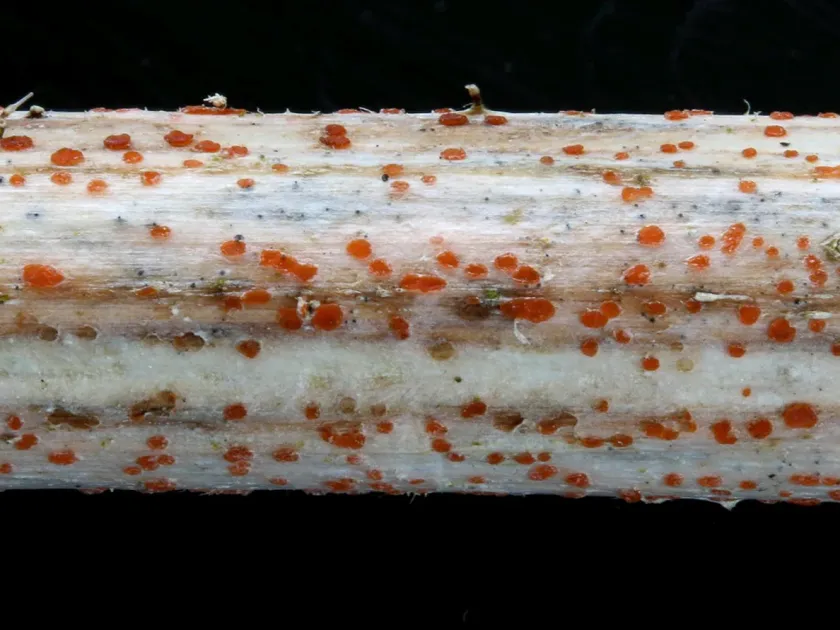
Description
Symptoms
The initial signs of infection often involve localized discoloration of the bark, typically manifesting as yellow or golden-hued patches.
Over time, the affected bark may begin to peel, revealing the white, cotton-like mycelial mats spreading beneath the surface.
Plants often exhibit general signs of stress, including premature leaf senescence, yellowing, and stunted terminal shoot growth.
In later stages, the characteristic fruiting bodies of the fungus emerge, appearing as small mushrooms near the base or on damaged bark sections.
The internal wood structure of the infected area may become soft or spongy, indicating advanced degradation caused by the fungal enzymes.
Pathogen
Calocybe chrysenteron is a fungal organism that acts as a pathogen primarily targeting weakened woody plants and various shrub species.
Taxonomically, it belongs to the basidiomycetes group, known for their powerful enzymatic ability to decompose lignified plant tissues.
The fungus exists primarily as a saprotroph but can opportunistically shift to a parasitic lifestyle when the host plant's immunity is compromised.
Its mycelium grows aggressively within the vascular bundles, effectively cutting off the plant's nutrient and water transport systems.
The organism produces a high volume of spores that are easily disseminated by wind, water splashes, and even agricultural tools.
Conditions for development
High relative humidity and poor air circulation are the primary environmental drivers that facilitate the germination of fungal spores.
The pathogen thrives in temperate conditions, with optimal mycelial expansion occurring between 18 and 25 degrees Celsius.
Mechanical damage, such as pruning wounds or frost cracks, acts as a primary entry point for the fungus to establish its infection.
Waterlogged soil conditions exacerbate the risk of infection by stressing the root system and reducing the plant's overall resistance.
Lack of proper pruning and canopy maintenance prevents light and air from reaching the interior parts of the plant, creating ideal microhabitats for the fungus.
Why it matters
The disease causes systemic physiological decline, which significantly reduces the vigor and yields of fruit-bearing plants.
Structural integrity of the wood is severely compromised, leading to increased risk of wind-throw or limb breakage during storms.
Infected plants serve as a persistent source of inoculum, putting surrounding healthy crops at high risk of rapid secondary infection.
Total plant death can occur if the infection girdles the trunk, effectively starving the upper portions of the plant from soil-derived nutrients.
The aesthetic value of ornamental plants is destroyed, making them unsuitable for landscaping or commercial sale.
Protection
Sanitation is critical; all infected tissues should be removed and disposed of away from the site to minimize spore dispersal.
Wounds caused by pruning should be immediately treated with appropriate sealants to prevent fungal spores from entering fresh tissues.
The application of systemic fungicides can be effective in suppressing the fungal population if applied at the first signs of symptoms.
Implementing proper spacing between plants ensures adequate ventilation, which significantly lowers the risk of disease proliferation.
Regular sterilization of pruning shears and other tools using alcohol or bleach is mandatory to prevent cross-contamination between plants.
Discussion
No discussions yet — be the first.