
Calocybe carnea
Calocybe carnea
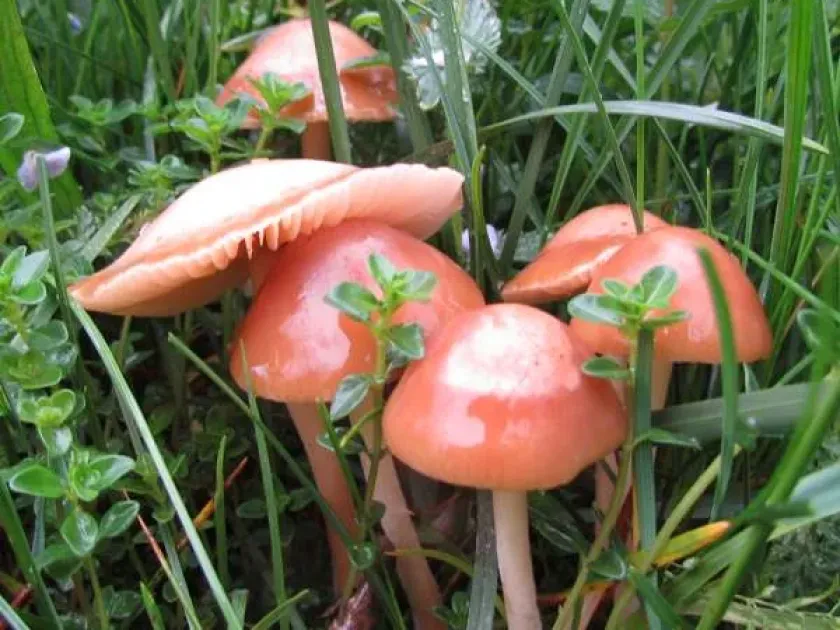
Description
Pathogen
Calocybe carnea is a saprotrophic mushroom belonging to the Lyophyllaceae family. It is crucial to clarify that this species is not a plant pathogen.
Biologically, this fungus feeds on dead organic matter, contributing to the decomposition of plant debris, roots, and organic components in the soil.
Because it lacks the ability to infect living plant tissues, it cannot cause any diseases in agricultural or horticultural crops.
The fungus is characterized by its pinkish or meat-colored caps, which can appear in grasslands or near fields, occasionally causing confusion for growers.
In the context of crop management, this organism should be viewed as a beneficial participant in the soil's natural recycling process.
Conditions for development
The development of Calocybe carnea is driven by the availability of decaying organic matter in the soil substrate.
It prefers moist environments and well-aerated soil rich in humus, which provides the necessary nutrients for its mycelial growth.
Activity levels typically peak following periods of high moisture or precipitation, which facilitates the emergence of fruit bodies.
The fungus thrives within a temperature range of 15–22 degrees Celsius, making it most visible during temperate spring and autumn seasons.
Unlike parasitic fungi, its growth is independent of crop presence, occurring naturally wherever organic decomposition is active.
Why it matters
This fungus does not pose any danger to agricultural crops, including vegetables, grains, or fruits.
It does not induce diseases such as root rots, wilts, or necrotic lesions, ensuring that crop productivity remains unaffected.
The only minor issue associated with Calocybe carnea is the aesthetic appearance of its fruit bodies on maintained turf or lawns.
High fungal activity in the soil is an indicator of fertile conditions with high organic content rather than a sign of pathological infestation.
There are no recorded negative impacts of this species on plant health, and it poses no economic risk to farmers or gardeners.
Protection
No specific plant protection products or control measures are required for Calocybe carnea as it is not a disease.
If its appearance on a lawn or field margin is considered undesirable, simple cultural practices such as regular aeration and mowing are sufficient.
Improving soil drainage and maintaining healthy organic matter management will naturally balance the soil environment.
Mechanical removal of the fruit bodies is the most effective way to address their presence if they interfere with the visual appeal of a site.
The application of fungicides against this fungus is strictly unnecessary and should be avoided to maintain soil biodiversity.
Discussion
No discussions yet — be the first.