
Pale spatula fungus
Calocera pallidospathulata
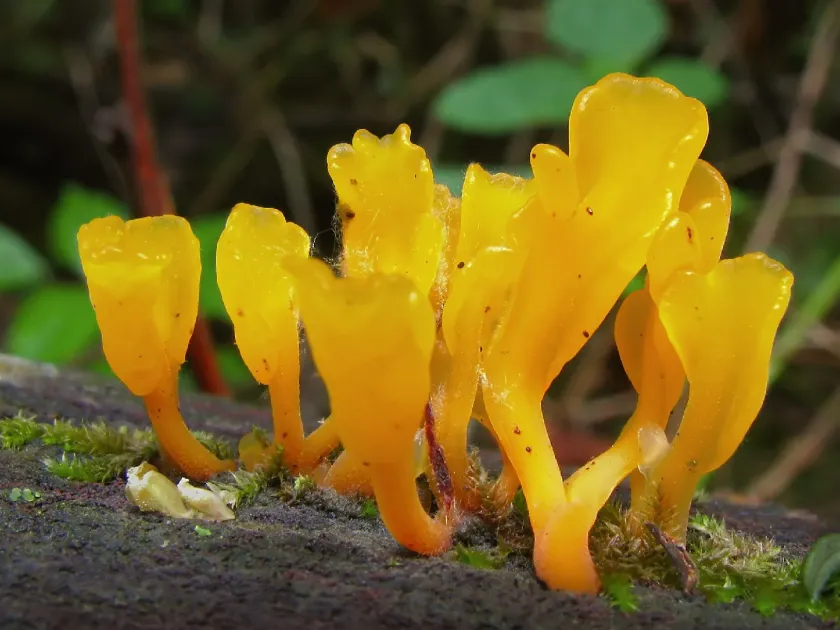
Description
Symptoms
The most visible sign of infection is the emergence of pale yellow to cream-colored fruiting bodies on the bark or wood surface. These are often found near cracks or pruning wounds.
Internally, the wood undergoes degradation, becoming soft, spongy, and structurally weak. Over time, the color of the wood fibers changes as the fungus breaks down the cellular structure.
Leaf yellowing or premature leaf drop may occur if the fungus has sufficiently compromised the vascular system of the tree, impeding the transport of nutrients and water.
The bark surrounding the infection site may appear sunken or discolored, often accompanied by the presence of mold-like fungal mats in highly advanced stages of decay.
In cases of severe infestation, the affected branches or trunks become brittle, showing clear symptoms of rot when inspected or probed with a garden tool.
Pathogen
Calocera pallidospathulata is a species of basidiomycete fungi belonging to the Dacrymycetaceae family. It is recognized primarily as a wood-decay fungus that thrives on woody substrates.
The fungus acts as a decomposer, breaking down complex plant compounds such as lignin and cellulose. While often saprotrophic, it can colonize living trees that are already stressed or wounded.
The pathogen spreads via basidiospores which travel through the air. Once they land on a vulnerable surface, such as an open wound or dead wood, the mycelium begins to penetrate the host structure.
The fungus is characterized by its pale, spatula-shaped or branched fruiting bodies, which appear during periods of high humidity and moisture.
As a biological agent, it plays a vital role in decomposition within natural ecosystems, but it represents a significant challenge in orchard management and arboriculture.
Conditions for development
High humidity and consistent moisture levels are essential for the growth and reproduction of Calocera pallidospathulata. It thrives in damp, shaded environments where water remains on the surface for extended periods.
Poor airflow within dense plantings creates a stagnant microclimate that encourages spore germination and subsequent colonization of bark surfaces.
The presence of physical injuries—such as improper pruning cuts, frost cracks, or mechanical damage from tools—provides the primary entry point for the pathogen.
Optimal growth is often seen during mild, wet weather conditions, which are typical for the spring and autumn seasons in many temperate climate zones.
Insufficient sanitation, such as leaving diseased wood, dead branches, or stumps in the field, creates a reservoir for spores to persist and infect healthy trees.
Why it matters
The primary danger posed by this fungus is the structural degradation of the wood, which leads to a significant increase in the risk of branch or trunk breakage.
As the conductive tissues of the plant are destroyed, the tree suffers from systemic weakness, eventually leading to reduced vigor and stunted growth.
Infected trees become highly susceptible to secondary infections by other, more aggressive pathogens and wood-boring insects that exploit the weakened state of the host.
In commercial orchards, the presence of wood rot significantly reduces the economic lifespan and productivity of the trees, necessitating expensive corrective actions.
In ornamental landscaping, trees affected by this fungus lose their structural integrity and aesthetic appeal, often requiring total removal to prevent the spread to adjacent healthy specimens.
Protection
Strict sanitation practices, such as the removal of deadwood, pruning debris, and infected stumps, are the most effective ways to reduce the spore load in the garden.
All pruning cuts should be sealed with specialized wound dressing or treated with copper-based fungicides to prevent pathogen entry through exposed wood.
Maintaining tree vigor through proper fertilization, irrigation, and soil management helps the plant develop a stronger immune response, making it less vulnerable to fungi.
If decay is detected, surgical excision of the diseased tissue down to healthy wood is required, followed by the application of systemic fungicides to the wound area.
Regular monitoring of tree health, especially after heavy rain, allows for early detection of fruiting bodies and prompt intervention before the decay reaches the heartwood.
Discussion
No discussions yet — be the first.