
Calocera
Calocera
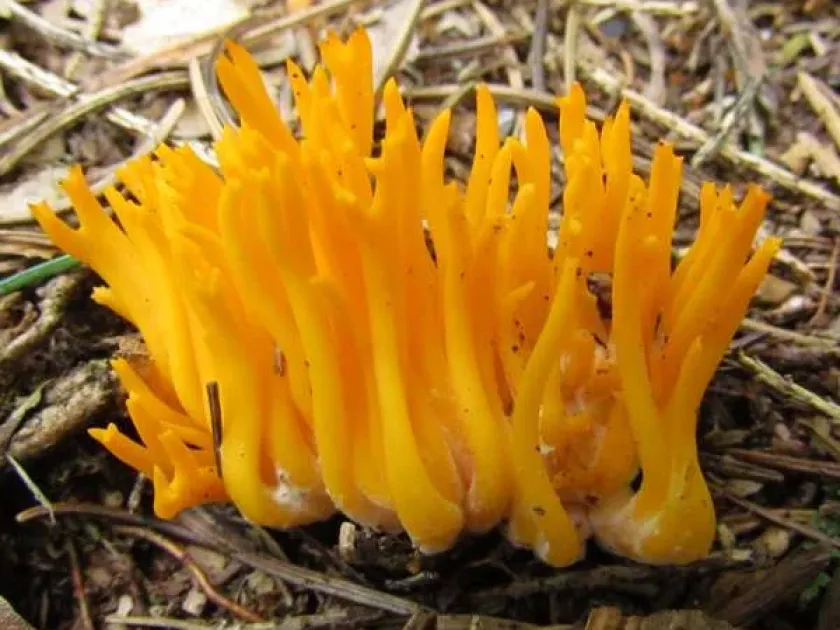
Description
Symptoms
The primary visual sign of Calocera presence is the emergence of distinctive, gelatinous, orange-yellow fruiting bodies on damp wood surfaces.
Affected wood exhibits significant structural changes, becoming soft, brittle, and prone to flaking or crumbling under slight physical pressure.
The internal structure of the wood often turns into a light or dark fibrous mass, depending on the stage of decay and the specific tree species involved.
Cracks appearing on the trunk or branches may serve as visual indicators of internal rotting, where the fungal mycelium is actively colonizing the wood fibers.
In advanced stages of infection, the bark may lift away from the trunk, revealing the decayed wood beneath where the fungal growth has taken hold.
Pathogen
Calocera is a genus of jelly fungi in the Dacrymycetaceae family. In agronomy and forest management, this organism is primarily recognized as a saprophytic agent that decomposes wood tissues.
The pathogen reproduces via spores, which travel through the air and land on exposed wood or damaged bark, initiating the growth of fungal mycelium.
The fruit bodies are distinct, typically featuring a bright yellow or orange coloration and a gelatinous, horn-like, or branched morphology.
Biologically, Calocera functions as a wood-rotting fungus, secreting enzymes that break down the complex polymers, specifically lignin and cellulose, within the host wood.
While often benign in healthy ecosystems, in horticultural settings, its presence indicates a high level of moisture and decaying organic material that could threaten weakened plants.
Conditions for development
High moisture levels are the most critical factor for the development and proliferation of Calocera, making rainy seasons the peak time for fruit body production.
The fungus thrives in moderate temperature ranges, typically between 15°C and 22°C, which allows for optimal metabolic activity in forest environments.
Physical wounds such as frost cracks, broken branches, or improper pruning cuts provide the necessary entry points for fungal spores to colonize the tree.
Poor ventilation and overcrowded planting sites prevent the wood from drying out properly, creating a permanently humid microclimate favored by the fungus.
Old stumps, fallen logs, and accumulated garden waste are major sources of inoculum, allowing the fungus to spread to nearby vulnerable or weakened trees.
Why it matters
The primary concern regarding Calocera is its ability to accelerate the breakdown of wood, which negatively affects the integrity and longevity of landscape trees.
In orchard settings, the infection of major branches can disrupt the vascular system of the tree, leading to poor nutrient transport and subsequent decline in health.
Trees heavily infested with wood-decaying fungi become structurally unsound, posing a safety risk as they become prone to branch failure or windthrow.
The decay process caused by Calocera facilitates secondary infections by more aggressive pathogens, further exacerbating the tree's health issues.
Overall, the presence of these fungi often signals neglect, leading to decreased property value and increased costs for tree removal or professional care.
Protection
Sanitation is the most effective management strategy; removing stumps, deadwood, and severely decayed material reduces the pool of fungal spores in the area.
Proper wound care is essential; any physical damage to the trunk or branches should be cleaned and treated with protective sealants or fungicides.
Improving the overall vigor of trees through proper fertilization and watering helps them develop the natural defenses necessary to resist fungal colonization.
Annual pruning should be conducted using clean, sanitized tools to prevent the accidental transfer of fungal spores between different trees in the garden.
- Removal of wood debris and stumps
- Proper sealing of pruning wounds
- Improving air circulation
- Regular monitoring for tree health
Discussion
No discussions yet — be the first.