
Callistosporium foetens
Callistosporium foetens
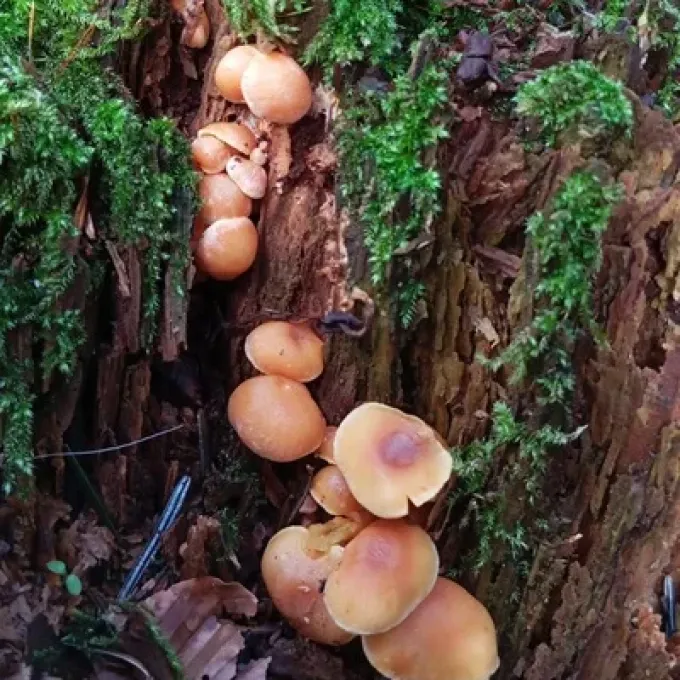
Description
Symptoms
The primary visual sign of infestation is the emergence of small fruit bodies on the surface of the bark or around the base of the tree.
An unmistakable indicator is the foul, pungent smell emanating from the tree, which is often detectable even before visual signs of fruit bodies are obvious.
Internal wood decay typically presents as white rot, where the wood tissue becomes bleached, soft, and fibrous as the fungus consumes the lignin.
Signs of decline often include premature yellowing of the foliage, crown thinning, and the gradual dieback of individual branches due to the impairment of vascular tissues.
- Presence of small mushroom-like fruit bodies.
- Characteristic offensive, foul odor.
- White, stringy rot within the internal wood structure.
- Overall loss of vigor and crown decline.
Pathogen
Callistosporium foetens is a basidiomycete fungus belonging to the Tricholomataceae family. It primarily functions as a saprotroph that decomposes wood, though it can exhibit parasitic traits when colonizing weakened living trees.
The fungus acts as a wood-decay agent, utilizing specialized enzymes to break down lignin and cellulose within the host plant's trunk and root system. This process leads to the degradation of the wood's structural integrity.
The name foetens (meaning stinking) is derived from the distinct, unpleasant odor emitted by its fruit bodies, which serves as a key diagnostic feature for identification in the field.
Its mycelium can persist within the wood substrate for many years, making it a stable pathogen in various woodland environments and tree-lined areas.
Reproduction is facilitated through spore release, allowing the fungus to colonize new hosts via wind or insect vectors, particularly targeting trees with compromised bark defenses.
Conditions for development
High humidity and moisture levels are essential for the germination of spores and the successful establishment of the mycelium within the host tree.
The fungus thrives in trees that have sustained previous physical injuries, such as frost cracks, sunscald, or wounds from maintenance machinery.
Temperate climate conditions provide an ideal window for vegetative growth, allowing the fungus to proliferate during periods of moderate warmth and rainfall.
Poor forest management, such as the failure to remove deadwood or thinning out overcrowded stands, significantly increases the risk of local outbreaks.
Soil disturbances or root damage caused by construction or erosion can also predispose trees to infection by this opportunistic pathogen.
Why it matters
The most severe impact is the destruction of the tree's structural support, which drastically increases the danger of tree failure, windthrow, and branch breakage.
Timber quality is severely degraded by the decay, rendering the wood unsuitable for commercial use or structural construction purposes.
The fungal infection acts as a physiological drain, depriving the tree of nutrients and leading to a long-term reduction in overall tree health.
As the disease progresses, the tree loses its competitive ability, eventually leading to death and turning into a source of inoculum for the surrounding area.
In managed landscapes, the loss of trees due to this fungus leads to aesthetic decline and potential safety liabilities for property owners.
Protection
Preventative care is the most effective strategy, focusing on maintaining tree vigor through proper irrigation, fertilization, and insect pest management.
Rigorous sanitation practices are required; this includes the prompt removal of infected wood and the sterilization of pruning tools to prevent cross-contamination.
All pruning cuts and physical injuries must be treated immediately with appropriate wound dressings or fungicidal pastes to seal the wood against spore entry.
Regular monitoring of tree health allows for the early detection of localized infections, which may be manageable if caught before deep colonization occurs.
In high-value ornamental trees, systemic fungicides may be used under professional guidance, though prevention of wounding remains the best defense.
Discussion
No discussions yet — be the first.