
Cadophora luteo-olivacea
Cadophora luteo-olivacea
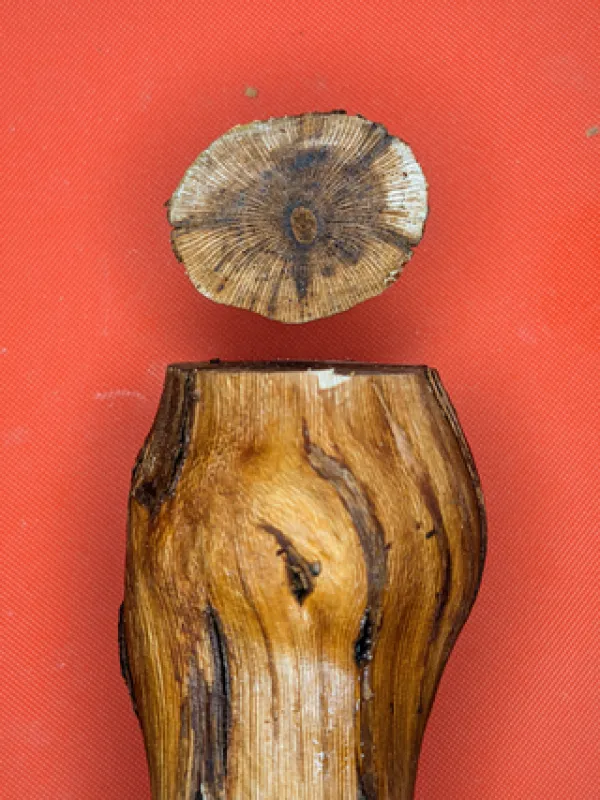
Description
Symptoms
The primary symptom is the internal discoloration of the wood, which typically appears as a yellow-olive to brownish hue when affected branches are cross-sectioned.
Early visual signs include subtle decline symptoms such as premature leaf yellowing, reduced canopy density, and the eventual dieback of individual branches or limbs.
Necrosis of the bark and localized gumming (gummosis) are common responses to the fungal presence, signaling deep physiological stress within the tree's transport systems.
As the rot progresses, the structural integrity of the wood weakens significantly, making limbs brittle and highly susceptible to snapping under stress or heavy fruit loads.
Definitive diagnosis often requires laboratory isolation, as many wood-rotting fungi produce similar symptoms in the early stages of infestation.
Pathogen
The causal agent is the fungus Cadophora luteo-olivacea, a member of the Helotiales order. This fungus is recognized as a significant wood-inhabiting pathogen that compromises the integrity of woody plant tissues.
The fungus is known for its ability to persist within the xylem and vascular tissues, where it secretes enzymes that break down lignin and other structural components of the tree's wood.
Its biological cycle is intricately linked to the presence of wounds in the bark or wood. It utilizes these openings to colonize the interior of the tree, forming persistent mycelial networks.
Reproduction occurs through conidia, which are efficiently dispersed by wind, splashing rain, or pruning tools that have not been adequately sterilized between trees.
As a pathogen, it is often found in complex associations with other wood-decay fungi, making it a difficult adversary to manage in commercial fruit orchards.
Conditions for development
Cadophora luteo-olivacea thrives in temperate environments, with development favored by moderate temperatures often found during the spring and autumn growing seasons.
Excessive moisture, particularly prolonged wet weather, provides the necessary conditions for fungal spores to germinate and penetrate healthy tissue through pruning wounds.
Trees under abiotic stress—such as drought, poor soil fertility, or mechanical injury—are significantly more susceptible to successful colonization by the fungus.
Pruning activities carried out during high-humidity or rainy conditions pose a high risk, as open wounds remain unprotected against airborne or water-splashed spores.
Poor orchard hygiene, specifically the failure to remove infected wood debris and stumps, leads to the accumulation of inoculum in the environment, fueling constant cycles of re-infection.
Why it matters
The primary impact of the infection is the degradation of the tree's vascular system, which severely disrupts the uptake of water and nutrients from the roots to the foliage.
Chronic infestation results in significant yield losses, as the tree loses the capacity to sustain the metabolic requirements of fruit development and ripening.
The loss of major scaffold branches due to wood decay necessitates extensive pruning, which alters tree structure and may lead to the eventual loss of the entire plant.
The disease reduces the productive lifespan of orchards, imposing heavy financial costs on growers who must replace affected trees and manage the spread of the pathogen.
Because the disease is often systemic and internal, it can remain hidden for years while acting as a silent source of inoculum for neighboring healthy trees.
Protection
Strict sanitation is the foundation of control; tools must be disinfected with bleach or alcohol solutions between every tree to prevent the mechanical transmission of spores.
All large pruning cuts should be treated immediately with wound sealants or fungicidal pastes to prevent the pathogen from gaining access to the tree's interior.
Infected branches and wood should be removed promptly and destroyed by burning to reduce the overall inoculum density within the orchard environment.
Maintaining optimal tree vigor through balanced fertilization and proper irrigation helps the tree's natural defense systems remain resilient against opportunistic infections.
- Use of disease-free planting material from reputable nurseries.
- Regular inspection of bark and limb health to identify early symptoms.
- Application of systemic fungicides to prevent new infections after pruning.
Discussion
No discussions yet — be the first.