
Burkholderiosis
Burkholderiaceae
Description
Symptoms
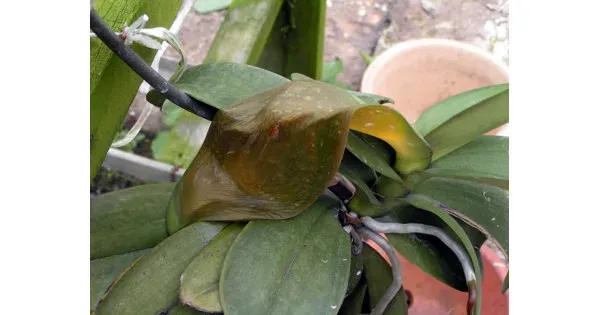
Initial symptoms often manifest as water-soaked spots on leaves, which rapidly expand and eventually turn brown or necrotic with chlorotic halos.
In highly humid conditions, a characteristic bacterial ooze or slime may be observed on the surface of affected stems and leaves.
Vascular browning and systemic wilting are common indicators, as the bacteria obstruct water transport within the host's vascular system.
In bulbs and tubers, the disease leads to soft rot symptoms, resulting in tissue liquefaction and a foul, pungent odor.
Stunting of plant growth is frequently observed in early-infected crops, leading to uneven stands and poor overall vigor.
Pathogen
The disease is caused by various species of the Burkholderia genus, which are Gram-negative, rod-shaped bacteria known to be opportunistic phytopathogens.
These bacteria possess high motility thanks to polar flagella, allowing them to swim through water films on plant surfaces and reach natural infection sites.
Once inside the plant, the bacteria colonize the xylem vessels and intercellular spaces, secreting hydrolytic enzymes that facilitate tissue degradation.
The pathogen can persist for extended periods in soil, decaying organic matter, and irrigation water, making it difficult to eradicate completely.
Genetic diversity within the Burkholderia genus means that different strains may target specific crops, affecting both field and ornamental plant varieties.
Conditions for development
Warm and humid environments are the primary drivers of disease development, with temperatures ranging from 20°C to 30°C being optimal.
Free moisture on leaf surfaces is essential for the bacteria to penetrate through stomata or wounds caused by insect feeding or mechanical damage.
Inadequate soil drainage and poor air circulation in greenhouses create microclimates that strongly favor the proliferation of Burkholderia species.
Excessive nitrogen application can result in lush, succulent plant growth, which is significantly more susceptible to bacterial invasion than firmer tissue.
Frequent rainfall or heavy overhead irrigation cycles increase the likelihood of rapid disease dissemination throughout a field or greenhouse.
Why it matters
Burkholderiosis significantly impacts agricultural productivity by reducing yield quantities and drastically lowering the quality of produce.
Post-harvest losses are a major economic concern, as infected fruits and vegetables rapidly decay during storage and transit due to soft rot.
The economic burden includes not only direct crop loss but also the cost of intensive chemical treatments and the need for frequent crop rotation.
Plant mortality rates can be severe in susceptible crops, leading to significant gaps in fields that require costly replanting efforts.
The disease limits export potential, as infected plant material is often subject to strict quarantine regulations in many international markets.
Protection
Integrated Pest Management (IPM) is essential, focusing on the removal of primary infection sources such as infected crop residues and weeds.
Using certified, pathogen-free seeds and plant materials is the most effective proactive strategy to prevent the introduction of the bacteria.
Implementing strict sanitation protocols for tools, machinery, and greenhouse surfaces helps minimize the mechanical spread of the pathogen.
Proper soil management, including adequate drainage and balanced fertilization, promotes plant resilience against bacterial colonization.
Biological control agents and copper-based bactericides can be utilized as preventative measures to limit the incidence of infection under favorable conditions.
Discussion
No discussions yet — be the first.