
Bulgariella
Bulgariella
Description
Symptoms
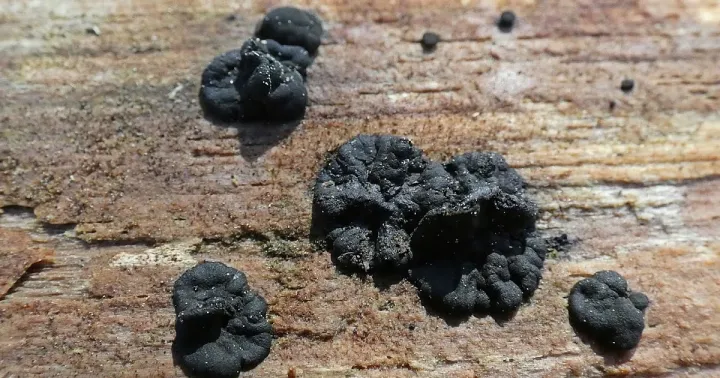
The most distinctive sign of Bulgariella is the emergence of dense clusters of small, black, disk-like fruiting bodies on the bark of trunks and larger branches.
Infected areas of the bark usually show discoloration, often turning dark brown or black. As the disease progresses, the bark begins to crack, flake off, or become excessively brittle.
Tree canopy symptoms include the yellowing of foliage and premature shedding of leaves. In advanced stages, large branches may wilt suddenly as the fungal mycelium restricts water movement.
Internally, the wood beneath the infected bark appears stained and necrotic. In severe cases, the cambium is completely destroyed, leading to localized or systemic cell death.
Dead bark segments may peel away, revealing the underlying woody tissue, which serves as a site for secondary infections or further colonization by the fungus.
Pathogen
The disease is caused by the fungus Bulgariella pulla. It is a member of the ascomycetes, which are known for their specific structures known as apothecia that release spores into the environment.
This fungus acts primarily as a weak parasite that exploits the cambium layer of trees. It can persist for long periods in woody tissues, expanding its range as the host tree loses vigor.
The fungus produces small, black, cup-shaped fruiting bodies on the bark surface. These structures become gelatinous and highly visible under high humidity conditions, facilitating spore dispersal.
Spore production is continuous during wet seasons, allowing the fungus to spread rapidly via wind or splashing rain to nearby trees that have open wounds or bark cracks.
The mycelium colonizes the vascular tissues of the tree, creating dark-colored lesions that disrupt the natural flow of nutrients and moisture from the roots to the crown.
Conditions for development
Bulgariella thrives in environments characterized by high humidity, poor air circulation, and cool temperatures. These factors are essential for the maturation of the fungus's fruiting bodies.
Trees stressed by drought, poor soil quality, or lack of essential nutrients are significantly more susceptible to infection. A healthy tree can often compartmentalize initial infections effectively.
Mechanical damage to the bark acts as a primary entry point for the fungus. Injuries from storm damage, pruning mistakes, or animal grazing provide the perfect conditions for colonization.
Dense planting schemes that prevent sunlight from reaching the trunk increase the duration of bark moisture, which favors the germination of fungal spores.
Overwintering of the mycelium within the dead or dying bark allows the pathogen to survive harsh winters and resume its growth cycle immediately when the weather warms.
Why it matters
The impact of Bulgariella on trees is significant, as it leads to a slow decline in overall health and vitality. Long-term infestation can result in the loss of aesthetic value and structural integrity.
The disruption of the cambium leads to reduced growth rates and thinning of the canopy. Over time, the affected tree becomes less capable of resisting other pests or diseases.
Structural damage, caused by the necrosis of woody fibers, makes the tree hazardous. The risk of branch failure increases, which can be particularly problematic in residential or park settings.
If left unmanaged, the fungus acts as a constant source of inoculum, spreading to other nearby vulnerable trees and potentially leading to the decline of an entire cluster of specimens.
Severe infestations often necessitate the removal of the tree to prevent the spread of the disease, resulting in significant financial and environmental loss.
Protection
Sanitation is the most effective management strategy. All dead or visibly infected branches should be pruned back to healthy wood and removed from the site to minimize the pathogen load.
Sterilizing pruning tools with alcohol or a bleach solution between cuts is essential to prevent mechanical transmission of the fungal spores from infected trees to healthy ones.
Treating large pruning wounds with protective sealants or fungicides helps create a barrier against fungal colonization. Always ensure cuts are clean and facilitate rapid healing.
Cultural practices such as proper watering, mulching, and fertilization help strengthen the tree's immune system, making it more resilient against secondary fungal pathogens.
- Monitor bark health twice a year.
- Improve air circulation through proper thinning.
- Apply copper-based sprays during the dormant season.
- Avoid mechanical damage to the tree trunks.
- Immediately dispose of infected bark and wood debris.
Discussion
No discussions yet — be the first.