
Botryosphaeria blight
Botryosphaeriales
Description
Symptoms
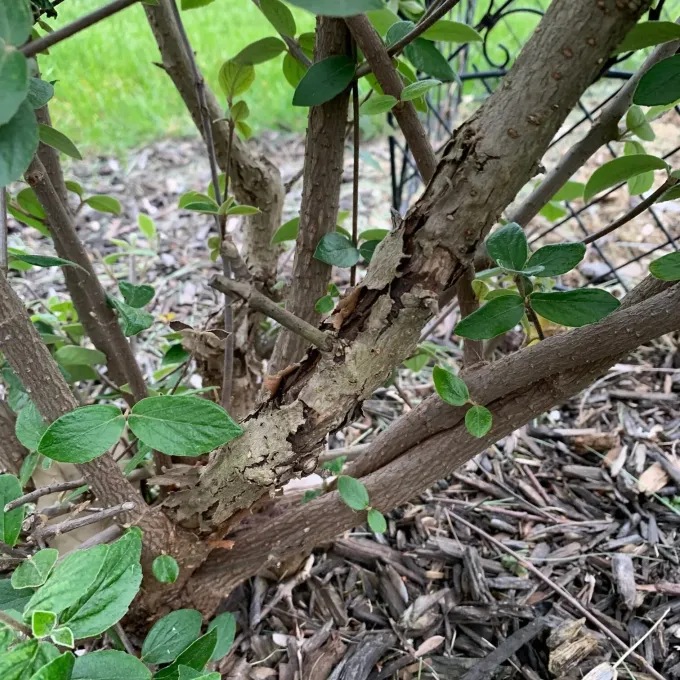
A primary symptom of Botryosphaeria blight is the dieback of individual branches or entire limbs, which often display cracked and sunken bark.
As the disease progresses, dark brown to black cankers develop on the stems, eventually girdling the branch and cutting off the supply of water and nutrients.
Small, black, pimple-like structures known as pycnidia often appear on the surface of dead bark, serving as indicators of the fungal infection.
Fruit infection is characterized by the development of soft, brown rot spots that rapidly spread, leading to fruit drop or mummification on the tree.
Infected leaves on affected branches typically wilt and turn brown, often remaining attached to the tree long after the branch has died.
Pathogen
The disease is caused by various fungi in the order Botryosphaeriales, most notably species within the Botryosphaeria genus such as B. dothidea.
These pathogens are opportunistic, necrotrophic fungi that survive in dead wood, bark tissues, and leaf debris within the orchard environment.
Reproduction involves both asexual pycnidiospores and sexual ascospores, which are spread by rain splash, wind, and movement of pruning tools.
The fungus enters the plant through wounds, including pruning cuts, sunscald areas, frost cracks, or sites damaged by insects or hail.
These fungi exhibit a wide host range, attacking many woody species including apples, pears, peaches, grapevines, and various ornamental trees.
Conditions for development
Host susceptibility increases significantly under stress conditions, such as prolonged drought, waterlogging, or severe nutritional deficiencies.
High relative humidity and moderate to warm temperatures are the most favorable conditions for the spore germination and colonization of plant tissues.
Neglected orchards with significant amounts of dead wood and poor sanitation practices provide a constant source of inoculum for new infections.
Mechanical damage to the bark caused by farm equipment or harvesting practices creates entry points that the fungus readily exploits.
Poorly managed canopy density, which prevents proper airflow and sunlight penetration, keeps the tree environment humid and prone to fungal growth.
Why it matters
Botryosphaeria blight causes severe structural damage to trees, often leading to the permanent loss of limbs and, in severe cases, tree mortality.
Crop losses are substantial, as the disease directly destroys fruit quality and quantity, affecting both fresh market value and storage life.
Cankers disrupt the vascular system, significantly reducing the tree's vigor and its ability to withstand further environmental or pest stressors.
Because the fungus is a persistent inhabitant of dead wood, it can be extremely difficult to eradicate once it has become established in an orchard.
The cumulative damage over time results in reduced orchard lifespan and increased management costs associated with pruning and protective sprays.
Protection
Rigorous sanitation, including the prompt removal and destruction of all infected wood, is the cornerstone of effective Botryosphaeria blight management.
All pruning tools must be thoroughly disinfected with alcohol or bleach solutions between trees to prevent the cross-contamination of healthy tissue.
Protecting pruning wounds and large cuts with appropriate wound dressings or fungicidal pastes helps prevent the pathogen from colonizing exposed wood.
Maintaining optimal tree health through regular irrigation, balanced fertilization, and pest control helps the plant build natural resistance.
Applying preventative fungicide sprays during critical infection windows, such as periods of high moisture or after storm events, can reduce the risk of outbreaks.
Discussion
No discussions yet — be the first.