
Plant borreliosis
Borrelia
Description
Symptoms
Initial symptoms are characterized by systemic chlorosis, which often starts at the leaf margins and progresses inward. Leaves may eventually become brittle and exhibit signs of early senescence.
Growth reduction is a hallmark of the infection. Plants show signs of dwarfing, with internodes significantly shortened, which is indicative of a systemic metabolic disturbance.
The reproductive organs are heavily impacted. Flowers often exhibit abortion, and fruit set is drastically reduced. Developed fruits are typically stunted, deformed, and lacking in normal sugar content and flavor.
Necrosis of the vascular bundles is observed upon dissection of the stem. This structural damage prevents the effective translocation of water and minerals, leading to the wilting observed in dry weather.
- Marginal chlorosis of leaves
- Severe stunting and dwarfing
- Deformed fruits and flowers
- Early leaf drop and wilting
Pathogen
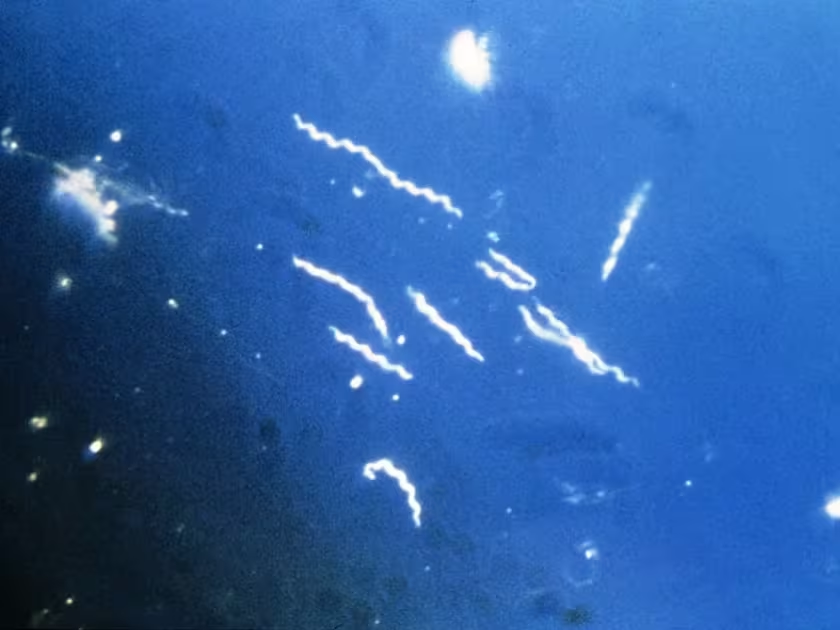
The causative agent of this condition involves bacteria of the genus Borrelia, which are spirchete bacteria. In agricultural science, these pathogens are identified as systemic agents that primarily affect the plant's vascular system.
The disease is classified as a systemic bacterial infection. The pathogen colonizes the phloem, causing significant disruption to the transport of photoassimilates throughout the plant's tissues.
Unlike many soil-borne pathogens, borreliosis is primarily transmitted through the bites of sap-sucking insects. The bacteria move within the plant via the vascular bundles, establishing a long-term presence.
The biological adaptation of Borrelia allows it to survive within the host plant for extended periods. This persistence makes the disease notoriously difficult to eradicate once it has become established in a plantation.
The genetic diversity of the pathogen can lead to varying levels of symptom severity depending on the plant host species. Molecular diagnostics remain the gold standard for confirming the presence of the pathogen.
Conditions for development
The development of the disease is highly dependent on the population density of insect vectors. Warm, dry summer conditions often favor the activity and migration of these vectors across fields.
Weed infestation acts as a reservoir for both the pathogens and the insect vectors. Fields with poor management practices, where weeds grow along edges, are at significantly higher risk of initial infection.
The timing of vector infestation relative to the plant's growth stage is critical. Early-season infections often result in the most severe damage and potential total crop failure.
High humidity within the dense crop canopy can assist in the survival of vectors between feedings. Proper spacing and airflow within the field can sometimes reduce the attractiveness of the environment to pests.
The spread of borreliosis is often associated with the migration of infected insects from untreated areas or uncultivated lands neighboring the agricultural zone.
Why it matters
The primary economic impact is a drastic reduction in crop yield. Because the infection affects the plant's vascular transport system, the quality of all harvestable parts is compromised.
Product quality degradation renders fruits and vegetables unmarketable. The presence of deformities and off-flavors leads to significant financial losses for producers, especially in high-value fruit crops.
Long-term harm to perennial crops includes the gradual loss of vigor and potential mortality of entire plantations. The progressive nature of the infection means that productivity declines year after year.
Secondary infections often take advantage of the plant's weakened state. This leads to a complex of symptoms that make accurate diagnosis and treatment even more challenging for the farmer.
In addition to direct losses, the cost of extensive monitoring and vector control measures adds to the overall burden on the agricultural enterprise, decreasing the return on investment.
Protection
Effective control is achieved primarily through the integrated management of insect vectors. Insecticide programs must be timed carefully to coincide with the peak population cycles of the pests.
Sanitation is a critical preventive measure. This includes the removal of weeds and potential host plants surrounding the field, as well as the destruction of severely infected individual plants.
The use of certified, disease-free planting material is the most important defense strategy. Implementing strict quarantine measures ensures that the pathogen is not introduced into new areas.
Improving general plant health through balanced fertilization and stress management helps plants maintain a better natural resistance to early-stage infections.
- Strict insect vector monitoring
- Selection of resistant plant varieties
- Implementation of robust crop rotation
- Removal and destruction of crop residues
Discussion
No discussions yet — be the first.