
Purpurboletus rhodopurpureus
Boletus purpureus
Description
Symptoms
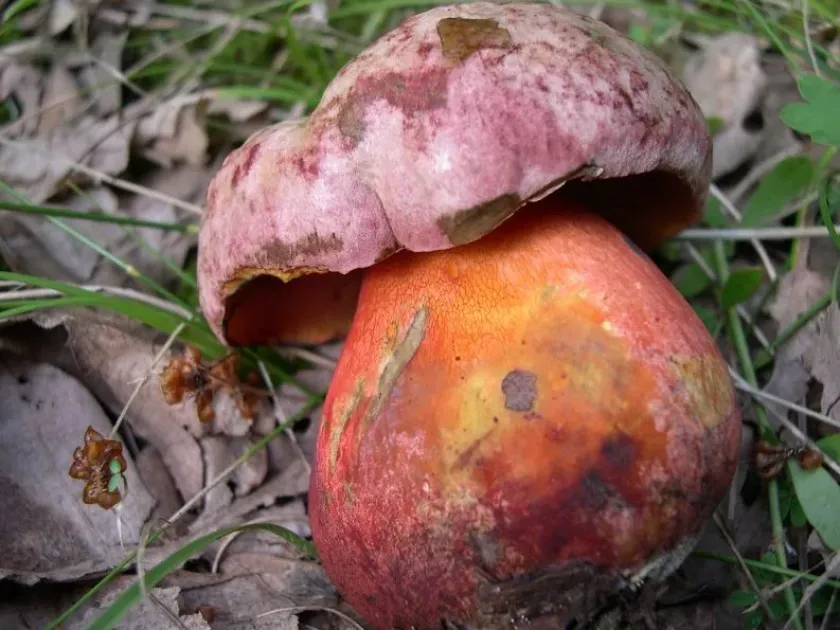
Purpurboletus rhodopurpureus is a robust mushroom with distinct morphological features that differentiate it from edible species. The cap can reach up to 20 centimeters in diameter, often presenting a greyish-brown or olive coloration with subtle purple hues.
The underside of the cap, characterized by its pore surface, exhibits a vibrant red or deep purple color. A key diagnostic feature is the rapid shift to dark blue upon bruising or cutting the pore surface, serving as a warning sign for mycologists.
The stem is thick and bulbous, covered in a prominent red network (reticulation) over a yellowish background. Upon slicing, the flesh, which is initially yellow, quickly oxidizes and turns a dark, intense blue, which is typical for several toxic Boletus species.
The aroma is described as mild yet peculiar, sometimes bearing faint fruity undertones. The taste of the raw flesh is often unpleasant or slightly bitter, which acts as a natural deterrent against consumption.
Unlike edible porcini mushrooms, which maintain white flesh on the cross-section, this species exhibits a dramatic color change, which is the most reliable visual indicator for identifying the fungus in the wild.
Conditions for development
This mushroom favors warmer climates and is predominantly found in broad-leaved forests. It forms mycorrhizal associations primarily with oak and beech trees, making it rare in coniferous or mixed forest environments.
It prefers calcareous soils with excellent drainage. The species thrives in well-warmed areas, frequently appearing on sunny woodland edges or open forest clearings where ground temperature and solar exposure are optimal.
The fruiting season is restricted to summer and early autumn months. Ideal growth conditions include moderate soil moisture combined with sustained high temperatures, common in temperate to Mediterranean climates.
The mycelium is highly sensitive to frost, preventing its natural distribution in northern or alpine regions. Spore dispersal is facilitated by wind currents and forest fauna, which distribute parts of the fruiting bodies.
Recent observations indicate a slight northward expansion of its habitat, which researchers attribute to gradual climate warming and the alteration of local forest ecosystems.
Why it matters
Purpurboletus rhodopurpureus is classified as a toxic mushroom. Consuming it can cause severe gastrointestinal distress in humans, characterized by significant irritation of the digestive tract lining.
Symptoms of intoxication typically appear within one to two hours following ingestion, including acute vomiting, diarrhea, abdominal pain, and significant systemic weakness. Medical evaluation is necessary for anyone exhibiting these symptoms.
While fatalities are extremely rare, the potential for liver stress and severe dehydration makes this fungus a significant health risk. Immediate stomach lavage and medical monitoring are standard procedures for accidental ingestion.
It is critical to understand that common culinary preparation techniques, including boiling, frying, or pickling, do not neutralize the toxins present in the mushroom's tissues. The fungus remains poisonous regardless of how it is processed.
From an agronomic perspective, this mushroom does not pose a threat to agricultural crops as it functions as a beneficial forest mycorrhizal agent, rather than a parasitic pathogen of farmland.
Protection
The primary method of protection is strict avoidance through public education and professional identification training. Avoiding the harvest of any unknown mushrooms is the most effective preventative strategy.
Mushroom foragers should adhere to a strict rule: if a mushroom turns intense blue or purple upon cutting, it must be rejected unless absolutely certain of its edible status. Personal safety depends on rigorous adherence to these identification protocols.
If an unknown or suspected toxic specimen is accidentally placed in a basket with edible species, all mushrooms that have made contact must be discarded, as spores or fragments could pose a contamination risk.
Raising awareness through agricultural extension services and nature centers helps reduce the frequency of accidental poisonings. Providing accurate visual guides in regional foraging manuals is essential.
- Rigorous training in the morphological identification of mushroom species.
- Strict prohibition against consuming unknown wild fungi.
- Immediate sanitization and discarding of items contaminated by toxic specimens.
Discussion
No discussions yet — be the first.