
Didymella stem rot of tomato
Boeremia lycopersici
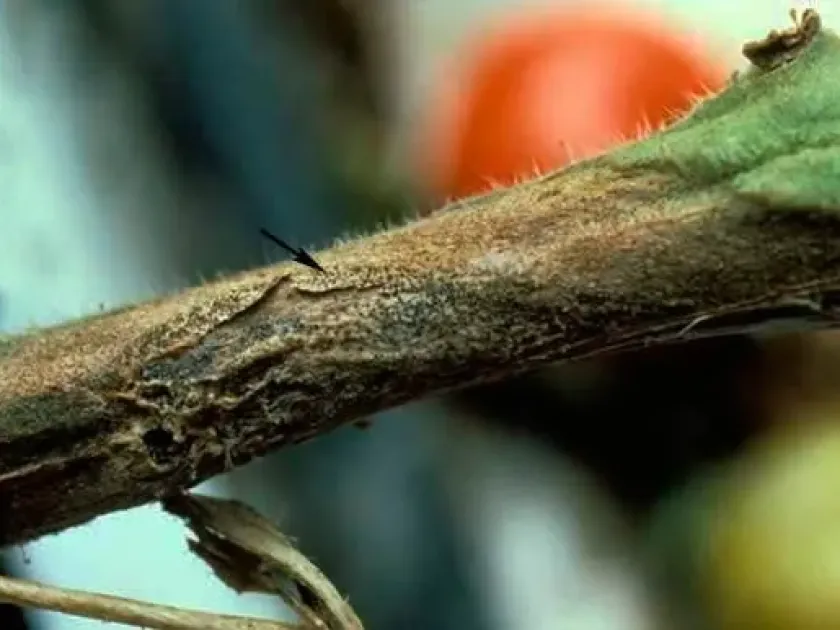
Description
Symptoms
The most characteristic symptom is the formation of dark, sunken, water-soaked lesions on the stem, typically near the soil level or at the base of the leaves. These lesions gradually expand and circle the stem.
Tiny, black, pin-head-sized pycnidia appear within the lesions. These are a key diagnostic feature and are often visible to the naked eye under close inspection of the infected stem area.
Affected plants often show chlorosis (yellowing) and wilting of the leaves, starting from the lower parts. As the stem lesion progresses, the plant may collapse due to the destruction of the main support tissue.
Fruit infection manifests as dark brown or black spots, frequently originating near the stem attachment. These spots grow quickly, resulting in rot and eventually causing the fruit to fall off the plant.
Root system deterioration is common, which prevents proper water uptake and mineral nutrition, causing the overall stunted growth and eventual death of the entire tomato plant.
Pathogen
The causal agent of this disease is the fungus Boeremia lycopersici (formerly known as Didymella lycopersici). This pathogen is a significant threat to tomato production worldwide, especially in greenhouses.
The fungus survives in crop debris, soil, and infected seeds. It produces pycnidia, which are small black structures containing spores (conidia) that serve as the primary source of infection.
The pathogen is highly contagious and spreads rapidly via water splashes during irrigation, rain, contaminated tools, and worker handling. These spores can survive in a dormant state for several years.
Once the spores land on a host plant, they germinate and penetrate the tissue through wounds or natural openings. The mycelium then invades the vascular system, leading to rapid deterioration of the plant's structural integrity.
Boeremia lycopersici exhibits a broad host range within the Solanaceae family, including peppers, eggplants, and potatoes, which necessitates integrated pest management across the entire vegetable farm.
Conditions for development
The development of the fungus is heavily favored by high humidity (80% or greater). In indoor environments like greenhouses, inadequate ventilation and excessive condensate are the primary drivers of an outbreak.
Optimal temperatures for fungal colonization range from +18°C to +24°C. Temperatures slightly outside this range can slow down the development but do not eliminate the pathogen.
Crowded plantings and high leaf density restrict airflow, creating microclimates where humidity stays high, allowing the fungus to spread easily from one plant to the next through water droplets.
Inconsistent irrigation practices that spray water onto the stems and leaves provide the necessary moisture for spore germination and direct entry into existing micro-wounds.
Poor sanitation, such as leaving decaying plant material on the greenhouse floor, ensures the persistence of the inoculum, which triggers new infections at the start of every growth cycle.
Why it matters
Didymella stem rot can result in significant yield losses, potentially destroying the entire crop if conditions are ideal for the fungus and no control measures are applied.
The infection causes irreversible damage to the stem, which means that even with later chemical treatments, the affected plants rarely recover and usually need to be removed from the field.
Fruit decay makes the produce unmarketable, leading to substantial financial loss. Infected fruits can rot quickly during shipping, affecting even healthy produce packed alongside them.
The long-term persistence of the pathogen in the soil creates a major challenge for subsequent planting seasons, often requiring soil fumigation or expensive sterilization methods.
Economic impact is exacerbated by the increased labor and chemical costs required for rigorous cleaning and spraying programs that are necessary once the disease has been identified in a plot.
Protection
Effective control requires a strict integrated approach:
- Removal and destruction of all infected crop residues immediately after harvest.
- Implementation of long-term crop rotation cycles (minimum 3-4 years).
- Sanitization of all greenhouse tools and structures using specialized disinfectants.
- Management of greenhouse humidity levels through proper spacing and ventilation.
- Application of fungicides (such as copper-based or systemic products) at the first sign of stem lesions.
Discussion
No discussions yet — be the first.