
Biscogniauxia atropunctata
Biscogniauxia atropunctata
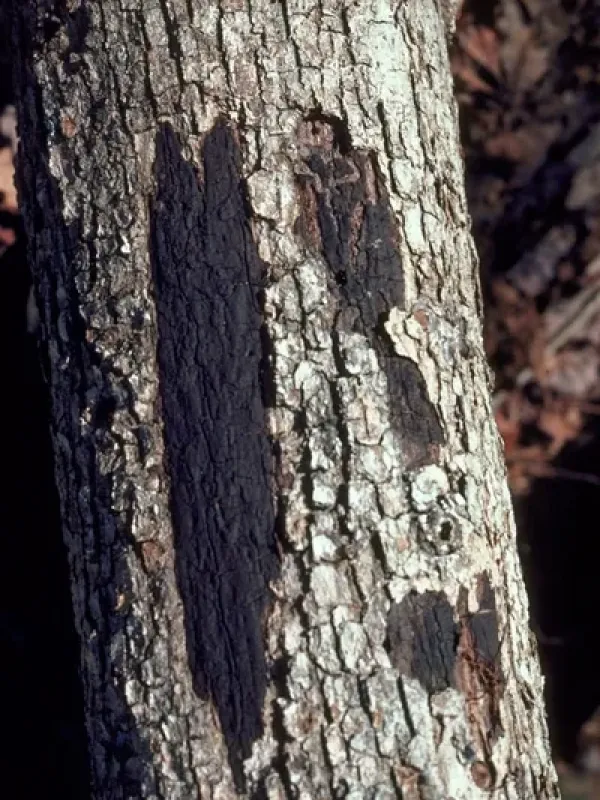
Description
Symptoms
The first noticeable symptom is the thinning and yellowing of the foliage, which often manifests as a decline in the upper canopy of the affected tree.
As the disease progresses, the bark begins to peel and slough off, revealing the characteristic black, stippled or punctate surface of the fungal stromata.
The underlying wood often displays a characteristic dark brown discoloration. In many cases, dark, liquid oozing can be observed originating from the cracks in the bark.
Advanced stages are marked by large, scorched-looking patches on the trunk where the bark has fallen away, exposing the dense, blackened fungal mats underneath.
Affected trees may lose limbs gradually, or if the main trunk is girdled by the canker, the entire tree can succumb to the infection relatively quickly.
Pathogen
Biscogniauxia atropunctata is an ascomycete fungus known to be the primary cause of Hypoxylon canker in oak trees. This fungus acts as a facultative parasite, often waiting for the host tree to become stressed before colonization.
The fungus develops mycelial mats beneath the bark, which eventually erupt to form hard, carbonaceous stromata. These structures are essential for the production of reproductive spores.
The life cycle involves the production of conidia for asexual spread and ascospores for sexual reproduction, allowing the pathogen to persist and spread throughout the forest.
The fungus typically enters the host through wounds, such as broken branches, frost cracks, or other mechanical injuries, successfully colonizing the sapwood and cambium.
The pathogen produces enzymes that break down the woody tissue, causing a white rot and compromising the structural integrity of the tree's vascular system.
Conditions for development
Drought stress is the primary environmental factor that predisposes oak trees to infection by Biscogniauxia atropunctata. During dry periods, the tree's natural defense mechanisms are weakened.
High temperatures during the summer months exacerbate the fungal growth and colonization process, making it difficult for the tree to resist the pathogen.
Overcrowded forest stands with poor airflow and high competition for nutrients also increase the likelihood of rapid disease transmission between trees.
Any disruption to the soil water regime, such as soil compaction, limits root health and further stresses the tree, making it a target for the fungus.
The spread of spores is facilitated by wind and splashing rain, meaning that wet, humid conditions during the growing season support the local dispersal of the disease.
Why it matters
The disease poses a major threat to oak populations, leading to significant mortality, especially in regions prone to frequent or severe drought episodes.
The structural damage caused by the fungus makes infected trees hazardous in residential, park, and recreational areas due to the risk of falling branches or trunks.
Economically, the infection renders the timber useless for commercial woodworking, resulting in significant losses for the forestry industry.
Ecological damage occurs as the loss of mature oaks alters the canopy structure, impacting wildlife habitats and forest biodiversity.
The rapid spread of the pathogen in stressed ecosystems can lead to long-term decline in forest health and a decrease in the overall vigor of oak stands.
Protection
Proactive management of tree health is the most effective defense. Providing supplemental water during drought periods helps maintain tree vigor and resistance.
Sanitation is critical; dead or heavily infected trees should be removed and disposed of properly to reduce the inoculum load in the vicinity.
Avoiding mechanical injury to the bark during maintenance or landscaping activities is essential to prevent creating entry points for the fungal spores.
Applying protective wound dressings or fungicides to significant bark injuries may help prevent initial colonization, although effectiveness depends on timing.
- Regular monitoring for canopy dieback and bark symptoms.
- Proper disposal of infected wood debris to avoid spore buildup.
- Avoiding unnecessary soil compaction near the root zone.
- Promoting stand diversity to reduce the potential for rapid pathogen spread.
Discussion
No discussions yet — be the first.