
Beijerinckia
Beijerinckia
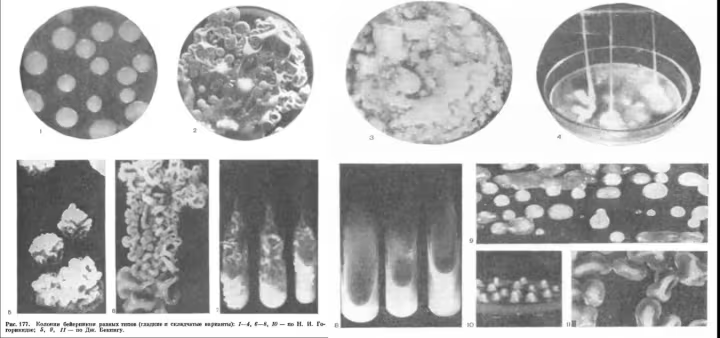
Description
Pathogen
The genus Beijerinckia consists of aerobic, Gram-negative soil bacteria that are strictly beneficial and are not plant pathogens.
These organisms are well-known for their capacity to fix atmospheric nitrogen, providing essential nutrients for plants in various soil environments.
Unlike disease-causing agents, Beijerinckia species work in harmony with the plant root system, often colonizing the rhizosphere to promote better nutrient uptake.
They produce extracellular polysaccharides, which act as a soil conditioner, enhancing moisture retention and crumb structure around the root zone.
Research confirms that these bacteria are key components of sustainable agriculture, particularly in acidic soils where other nitrogen-fixing species struggle to survive.
Conditions for development
The development of Beijerinckia is primarily favored by acidic soil conditions, where they display high competitive efficiency compared to other microbial groups.
Adequate supply of organic carbon compounds, typically derived from root exudates, is essential for sustaining their nitrogen-fixing metabolic processes.
Environmental temperature is a significant factor, as these bacteria exhibit optimal metabolic activity in tropical and warm temperate climates.
Soil moisture levels must be maintained to ensure optimal gas diffusion, as these bacteria are strictly aerobic and require oxygen for survival.
Changes in soil pH towards alkalinity, often resulting from intensive liming, significantly limit the abundance and efficacy of these beneficial populations.
Why it matters
There is no evidence of Beijerinckia causing plant diseases, tissue damage, or any negative impact on agricultural crop health.
These bacteria operate as beneficial rhizospheric microbes and do not possess any pathogenic traits that could threaten crop production.
They should not be targeted by antimicrobial or fungicidal treatments, as such interventions would damage the beneficial microflora of the soil.
The presence of these bacteria is entirely non-harmful and often correlates with improved natural nitrogen levels in the soil, which is a desirable condition.
In agricultural practice, no pest management or quarantine measures are necessary, as these organisms are considered helpful components of soil fertility.
Discussion
No discussions yet — be the first.