
Description
Symptoms
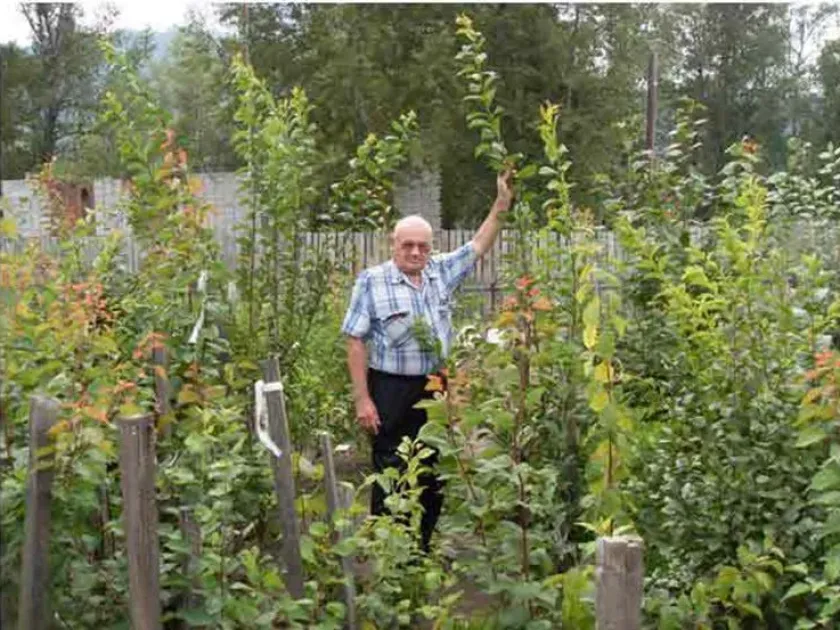
The main external sign of the disease is the abnormal development of shoots, which become excessively long and bare. Leaves on such branches are often deformed, acquiring a small-leaf appearance and a characteristic mosaic pattern.
Trees affected by this ailment stop forming full-fledged flower buds. As a result, flowering is either completely absent or extremely sparse, and the few fruits that do set often drop before maturity.
There is significant growth retardation of the tree, while annual shoots become thin and weak. Visually, such apricots look depressed, and their crown becomes sparse and transparent due to the lack of normal foliage.
With prolonged disease progression, apical bud death and partial drying of skeletal branches are observed. The overall condition of the plant gradually deteriorates, leading to a complete loss of ornamental and economic value.
A characteristic indicator of the disease is the change in the texture of the bark on young shoots, which may acquire atypical coloration or crack. Eventually, the tree loses the ability to normal vegetation and fruiting.
Pathogen
The causative agent of the disease is the Cucumber mosaic virus (CMV). It is a widespread phytopathogen that affects a huge number of plant species in various climatic zones of the world.
The virus consists of isometric particles containing single-stranded RNA. Its biological feature lies in its high variability and ability to quickly adapt to various hosts.
In the tissues of the host plant, the virus spreads systemically through the phloem. It disrupts normal processes of metabolism, chlorophyll synthesis, and nutrient distribution, leading to organ deformation and sterility.
Transmission of the virus occurs mainly in a non-persistent manner involving insect vectors. The main vectors are various species of aphids, which acquire the virus while feeding on an infected plant and quickly transfer it to healthy tissues.
In addition, the virus can spread during agricultural work such as pruning or grafting. Tools that have not been disinfected become a primary source of infection for the entire orchard.
Conditions for development
The development of the infection is facilitated by the presence of a wide range of reservoir plants around the orchard. Vegetable crops, especially cucumbers, tomatoes, and nightshades, are often primary sources of virus spread.
High activity of insect vectors, primarily aphids, in the spring-summer period creates ideal conditions for epiphytotic spread. Warm, dry weather contributes to the active reproduction of aphids and intensive spread to new areas.
The lack of systematic weed control around tree trunks significantly increases risks. Many weeds are latent carriers of the virus, keeping it in their tissues throughout the growing season.
Improper agricultural techniques, associated with the violation of pruning schedules or the use of poor-quality rootstock material, accelerate the spread of the virus within plantings. Weakened trees are more susceptible to the pathogen.
Inside the tree itself, the virus spreads more easily during the period of active sap flow. It is during this time that any mechanical damage to tissues becomes a gateway for infection through tools.
Why it matters
The main danger is the total loss of commercial harvest. Diseased trees stop bearing fruit, which makes their maintenance economically unjustified and unpromising for horticulture.
The infection is systemic and incurable once the virus enters the tree's vascular system. The disease gradually depletes the plant's resources, leading to its premature death.
The presence of infection sources in the orchard poses a constant threat to neighboring healthy trees. The virus spreads rapidly across the area, affecting new specimens and shortening the lifespan of the entire orchard.
General winter hardiness and the tree's resistance to other diseases are significantly reduced. A tree weakened by the virus becomes a target for fungal infections, bacterioses, and pest damage.
In nurseries, the presence of the virus on mother trees leads to the rejection of the entire batch of seedlings. This causes serious financial damage to producers of planting material and limits gardeners' access to healthy seedlings.
Protection
There are no effective chemical agents for the treatment of viral diseases in the orchard. The main protection strategy is based on strict preventive measures and preventing the virus from entering plantings.
- Use of certified virus-free planting material.
- Removal of weeds in and around the orchard to eliminate reservoirs.
- Systematic control of insect vectors (aphids).
- Disinfection of tools after each tree.
- Upheaval and burning of heavily affected specimens.
It is necessary to strictly observe spatial isolation between industrial apricot plantations and vegetable plots. Keeping these crops apart prevents the transfer of the virus from vegetables to fruit trees.
Regular monitoring of tree condition during the growing season allows for timely detection of infection signs. Early identification and removal of diseased plants are critical for preserving the healthy part of the orchard.
An important aspect is increasing the overall immunity of trees through proper agricultural techniques. Ensuring balanced nutrition and optimal water regime helps plants better withstand stress factors, including viral load.
Pathogens and affected parts
Affects crops · 1
Discussion
No discussions yet — be the first.