
Bacterial plant diseases
Bacteroides
Description
Symptoms
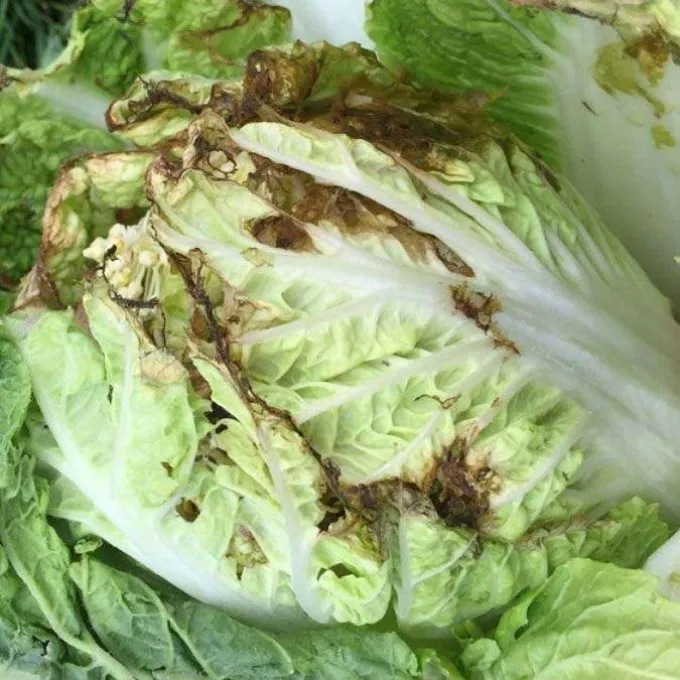
Common symptoms include leaf spots, chlorosis (yellowing), tissue necrosis, soft rot, vascular wilting, and the formation of galls or tumors on roots and stems.
A hallmark sign of many bacterial infections is the presence of a bacterial ooze or exudate, which appears as a sticky residue on the surface of infected organs.
In cases of bacterial wilt, internal tissues often show distinct browning or blackening of the vascular bundles, which can be confirmed by the presence of cloudy streaks.
Soft rots caused by bacteria are typically accompanied by a foul, pungent odor resulting from the rapid breakdown of plant cells and secondary colonization.
Plants often exhibit sudden collapse and loss of turgor, with symptoms progressing from localized lesions to the total decay of the affected plant part.
Pathogen
Bacterial plant diseases are caused by various phytopathogenic bacteria, with major groups including Erwinia, Pseudomonas, Xanthomonas, and Agrobacterium.
These single-celled prokaryotic organisms invade plant tissues through stomata, lenticels, or wounds created by pests or agricultural machinery during routine operations.
Once inside, bacteria multiply rapidly in the intercellular spaces, secreting enzymes that degrade cell wall polysaccharides and lead to the maceration of plant tissues.
Unlike fungi, bacteria do not form mycelia; however, they can colonize the xylem vessels, blocking the upward transport of water and nutrients, which causes wilting.
Infection spreads primarily through splashing rain, irrigation water, contaminated seeds, infected nursery stock, and insect vectors that carry the bacteria.
Conditions for development
High relative humidity and surface moisture are essential for the survival and dispersal of bacteria, as they require a water film for motility and infection.
Most bacterial pathogens thrive in warm environments, with optimal temperatures usually ranging between 20°C and 30°C, typical of many growing seasons.
Poor agricultural practices, such as excessive plant density or inadequate ventilation in greenhouses, create localized microclimates that encourage disease outbreaks.
Plants under physiological stress, often due to nutrient imbalances, drought, or waterlogging, are significantly more susceptible to successful bacterial colonization.
Mechanical injuries resulting from pruning, harvesting, or insect feeding serve as primary entry points, significantly increasing the probability of severe infection.
Why it matters
Bacterial diseases cause substantial economic losses globally by reducing crop yield, lowering quality, and rendering produce unfit for the market.
Post-harvest losses are particularly severe, as bacterial rots can spread quickly through storage facilities, destroying entire shipments of fruits and vegetables.
The ability of bacteria to remain dormant in seeds or soil makes them difficult to eradicate once a field has become infested with a specific pathogen.
Widespread bacterial wilt can lead to the complete destruction of high-value crops, threatening the sustainability of agricultural businesses and local farms.
Limited chemical control options mean that growers must rely heavily on integrated management and strict quarantine measures to protect their crops.
Protection
The first line of defense is the use of high-quality, certified, disease-free seed and transplant material to prevent introducing pathogens to the field.
Implementing a strict crop rotation schedule helps break the pathogen lifecycle, preventing the buildup of bacterial populations in the soil over consecutive years.
Sanitation is crucial: disinfecting tools, cleaning equipment, and removing or destroying crop debris helps reduce the primary sources of inoculum.
Copper-based bactericides and, where permitted, agricultural antibiotics can be utilized to protect plants and manage early-stage infection outbreaks.
- Select resistant or tolerant crop varieties
- Manage insect vectors effectively
- Practice good field hygiene and pruning
- Control moisture in greenhouses
- Avoid over-fertilization with nitrogen
Discussion
No discussions yet — be the first.