
Pongamia leaf spot
Asperisporium pongamiae
Description
Symptoms
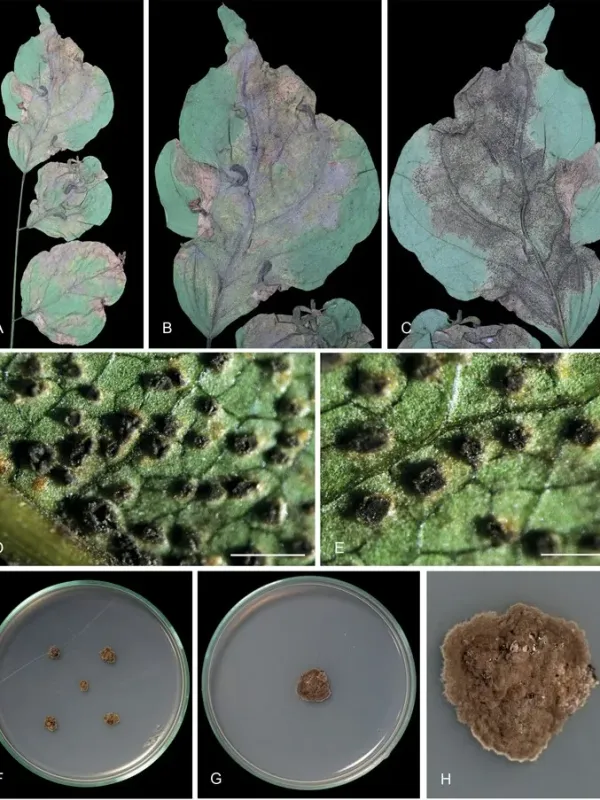
Initial symptoms are characterized by small, yellowish or pale spots on the leaf surface. As the infection progresses, these spots turn brown or dark black, indicating necrotic tissue death resulting from fungal colonization.
A distinctive feature of this disease is the development of numerous dark pustules or velvety cushions on the undersides of the affected leaves. These are actual colonies of fungal spores and are a key diagnostic indicator for identifying the infection.
As the infection intensifies, individual spots often coalesce, covering large portions of the leaf blade. This significantly reduces the total green surface area, interfering with photosynthesis and nutrient synthesis.
Severe infestations lead to premature leaf drop and yellowing (chlorosis). In young nursery saplings, the disease can cause significant stunting, as the plant lacks the energy required for healthy vertical growth.
Distinguishing this disease from other leaf spot varieties requires careful observation of the specific spore clusters on the leaf's underside. Unlike many bacterial spots, fungal leaf spots often exhibit this characteristic dense, dark dusting of spores.
Pathogen
The causative agent of this disease is the fungus Asperisporium pongamiae, a member of the Fungi Imperfecti group. It is a highly specialized pathogen that primarily targets species of the Millettia genus, with a significant impact on Pongamia pinnata plantations.
The life cycle of this fungus is closely integrated with the phenology of its host plant. It colonizes leaf tissue, developing specialized reproductive structures known as conidiophores that emerge through the plant's stomata or epidermis to facilitate dispersal.
Transmission occurs through conidia, which are efficiently spread by wind currents and splashing rain. This mechanism allows the pathogen to rapidly expand from a few infected leaves to cover entire branches and, eventually, whole groves under favorable conditions.
The pathogen can survive in dormant states within infected plant debris or fallen leaves during the off-season. This ability to persist in the environment makes managing Asperisporium pongamiae a long-term challenge for orchard managers.
Current research continues to explore the host-pathogen interaction to understand why some trees exhibit higher tolerance than others. This biological data is essential for developing improved diagnostic tools and resistant cultivars.
Conditions for development
High relative humidity is the most critical environmental factor for the development of the disease. Prolonged periods of rain or heavy morning mists provide the moisture required for fungal spores to germinate and penetrate the host tissue.
The optimal temperature range for the rapid proliferation of Asperisporium pongamiae typically falls within the mild, warm conditions found in tropical and subtropical regions. Sudden shifts in weather, such as humidity spikes, often trigger new outbreaks.
Poor orchard management, specifically excessive planting density, is a major contributor to the disease's spread. Dense foliage prevents proper air circulation, creating a trapped, stagnant microclimate that fosters fungal growth.
Plants under nutrient stress or suffering from drought are notably more susceptible to initial infection. A tree with a strong, well-nourished immune system is better equipped to resist or slow down the progression of the pathogen.
Seasonal weather patterns, particularly long periods of damp weather following a drought, can create a high-stress environment. These fluctuations often precede large-scale epidemics within commercial Pongamia plantations.
Why it matters
The primary economic impact of this disease is the reduction in seed oil yield. Since leaves are the primary source of carbon assimilation, their early senescence and loss significantly decrease the energy available for fruit and oil development.
Premature leaf drop leads to general tree weakness and diminished vigor. Over time, this makes the entire plantation less productive and more expensive to maintain due to the need for continuous care.
For young seedlings in nurseries, the disease is a major threat that can cause significant mortality rates. This leads to substantial financial losses and delays in planned reforestation or commercial planting projects.
Affected trees are also more susceptible to secondary pests and infections. The presence of leaf spot weakens the tree's natural defenses, leading to a synergistic effect where the overall health of the orchard declines rapidly.
Increased operational costs arise from the necessity of repeated fungicide applications and intensive labor for sanitation. This lowers the overall profitability of Pongamia pinnata as a commercial crop.
Protection
Sanitation is the cornerstone of Asperisporium pongamiae control. Regularly collecting and destroying fallen leaves is essential, as this removes the primary source of overwintering fungal spores and reduces the inoculum load for the following season.
Proper spacing between trees is essential to ensure adequate airflow and sunlight penetration. This practice helps keep the foliage dry, which significantly inhibits the ability of fungal spores to land and germinate successfully.
When symptoms first appear, targeted fungicide applications—often using copper-based or systemic products—can effectively localize the outbreak. Applying these treatments preventively before the rainy season begins is the best strategy.
Integrated Pest Management (IPM) requires regular monitoring of the plantation to identify hotspots. Early detection allows for spot-treatment rather than broad-spectrum spraying, saving money and reducing chemical impact on the environment.
Breeding and selecting for resistant cultivars represent the long-term solution. Research efforts focused on enhancing the natural immunity of Pongamia will eventually lead to more robust varieties that can withstand infection with minimal chemical intervention.
Discussion
No discussions yet — be the first.