
Alfalfa Ascochyta leaf spot
Ascochyta medicaginicola
Description
Symptoms
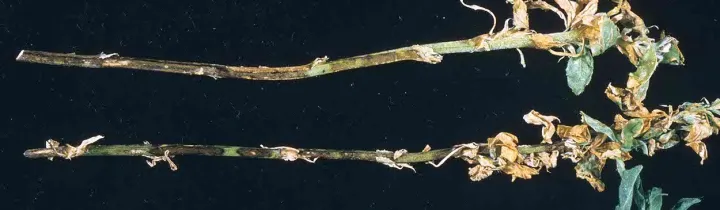
Initial symptoms include the appearance of small, dark, or brown lesions on leaves, petioles, and stems during the early stages of alfalfa growth.
These spots often expand into circular or irregular shapes with light-colored centers and dark brown margins, surrounded by chlorotic tissue.
Small black dots, known as pycnidia, frequently develop within the necrotic spots, serving as a diagnostic feature to identify the presence of the pathogen.
Severe infection leads to leaf yellowing (chlorosis), premature senescence, and significant leaf drop, which leaves the stems bare and reduces overall biomass.
In humid conditions, stem lesions may appear as elongated dark streaks that can weaken the structural integrity of the alfalfa plants.
Pathogen
The disease is caused by the fungus Ascochyta medicaginicola, which is a common pathogen infecting legumes worldwide, particularly alfalfa crops.
The fungus survives the winter as mycelium and pycnidia on crop debris or within infected seeds, providing a primary source of inoculum for the next season.
Under humid conditions, the pycnidia release conidia that are splashed by rain or wind-dispersed onto healthy alfalfa foliage to initiate new infections.
This pathogen is highly specialized and thrives in agricultural systems where alfalfa is grown continuously without adequate crop rotation practices.
The life cycle of the fungus is intrinsically linked to the cutting cycle of alfalfa, as it rapidly re-infects new regrowth if environmental conditions are favorable.
Conditions for development
Ascochyta leaf spot development is heavily dependent on moisture, with frequent rainfall, high humidity, and prolonged leaf wetness being the primary drivers.
Temperatures ranging between 15°C and 22°C are optimal for the germination of fungal spores and the subsequent infection of host plant tissues.
Thick, dense alfalfa stands prevent proper airflow and light penetration, creating a microclimate that promotes the rapid spread of the fungus.
Poor field sanitation, including leaving crop residue on the soil surface, allows the pathogen to persist and build up infection levels from year to year.
Stress factors, such as nutrient deficiencies or pest damage, can further predispose alfalfa plants to higher levels of fungal infection.
Why it matters
The primary economic impact is a reduction in forage yield and quality, as the loss of leaves significantly decreases the protein content of the hay.
Infected stands often experience reduced vigor and longevity, leading to premature thinning of the alfalfa stand and potential weed encroachment.
Reduced protein and carotene levels in the harvested forage lower the nutritional value for livestock, which can impact animal production metrics.
Heavy infections can cause yield losses of up to 30 percent in wet growing seasons, making the crop less profitable for farmers and livestock producers.
Seed production fields are especially vulnerable, as the disease can lead to poor seed set, reduced germination rates, and seedling blight in new plantings.
Protection
Selecting resistant alfalfa varieties remains the most cost-effective and sustainable strategy for managing Ascochyta leaf spot in modern farming.
Adhering to proper crop rotation schedules prevents the long-term buildup of inoculum in the soil and reduces the pressure from the fungal pathogen.
Timely harvesting before the disease reaches epidemic levels helps to remove infected plant parts from the field and promotes healthy regrowth.
Cultural practices, such as plowing under crop residues, facilitate the decomposition of infected material and disrupt the fungal life cycle.
Integrated pest management (IPM) practices, including proper fertilization and avoiding over-seeding, enhance plant health and natural resistance to the disease.
Discussion
No discussions yet — be the first.