
Arthrocladiella
Arthrocladiella
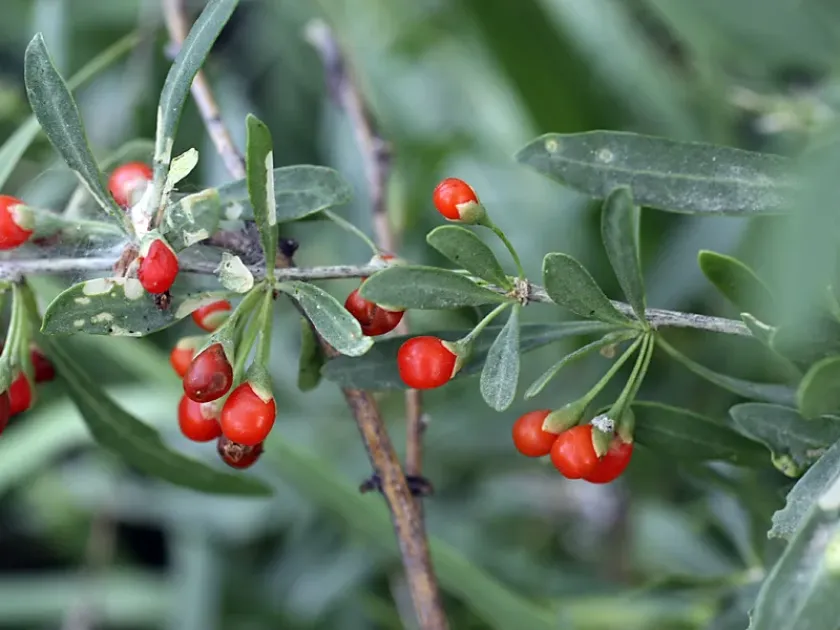
Description
Symptoms
The hallmark symptom of this infection is the appearance of a white, powdery fungal mat on leaves, stems, and fruits.
Initially, the fungus appears as small, scattered spots that eventually merge to cover the entire surface of the leaves.
As the infection progresses, the tissues underneath the powdery layer may turn yellow and eventually necrotic, leading to premature leaf death.
Infected leaves often become distorted, curled, or stunted, significantly impacting the aesthetic and physiological health of the plant.
The density of the mycelium can vary, sometimes appearing more felt-like as the infection reaches maturity and begins sporulation.
Pathogen
The disease is caused by the fungus Arthrocladiella mougeotii, which belongs to the Erysiphales order of fungi.
This pathogen is an obligate parasite, specifically targeting plants within the genus Lycium (boxthorn or goji berry plants).
The fungus develops its mycelium on the surface of plant tissues, utilizing specialized structures called haustoria to extract nutrients from host cells.
Asexual reproduction occurs via the formation of conidia, which are easily dispersed by wind currents to colonize healthy plant tissues.
To survive unfavorable winter conditions, the fungus produces sexual reproductive structures known as cleistothecia on infected plant debris.
Conditions for development
Arthrocladiella thrives in environments with moderate temperatures and high humidity, which are typical during the active growing season.
Temperatures ranging from 18 to 25 degrees Celsius create the optimal metabolic conditions for rapid fungal colonization and growth.
Poor air circulation within dense plant canopies creates a microclimate with stagnant, humid air that promotes the spread of conidia.
Diurnal temperature fluctuations that lead to heavy morning dew provide sufficient moisture for the fungus to maintain its activity.
Primary inoculum is usually provided by cleistothecia that have overwintered on fallen leaves or contaminated stems from the previous year.
Why it matters
The disease significantly disrupts photosynthesis, reducing the plant's overall energy production and vigor.
Heavy infections lead to premature defoliation, which weakens the plant and decreases its resilience to winter cold and environmental stress.
Fruit quality is severely impacted, with infected berries often becoming misshapen or unusable for commercial or personal consumption.
Constant nutrient drain from the fungus inhibits the development of new shoots and reduces the overall yield of the crop.
If left unmanaged, the pathogen can quickly spread throughout a plantation, resulting in significant economic losses for growers.
Protection
Effective management begins with sanitation, specifically the removal and destruction of all infected plant materials at the end of the season.
Pruning plants to improve airflow and reduce canopy density is a critical preventative cultural practice.
The application of fungicides, particularly those containing sulfur or systemic triazoles, is recommended when symptoms first appear.
Rotating chemical products with different modes of action is essential to prevent the development of resistance in fungal populations.
Choosing resistant cultivars or planting in locations with good drainage and sunlight can drastically reduce the incidence of the disease.
Discussion
No discussions yet — be the first.