
Arachnopeziza aurata
Arachnopeziza aurata
Description
Symptoms
The most characteristic sign of its presence is the appearance of vibrant golden-yellow or orange apothecia, often growing in clusters on decaying logs or branches.
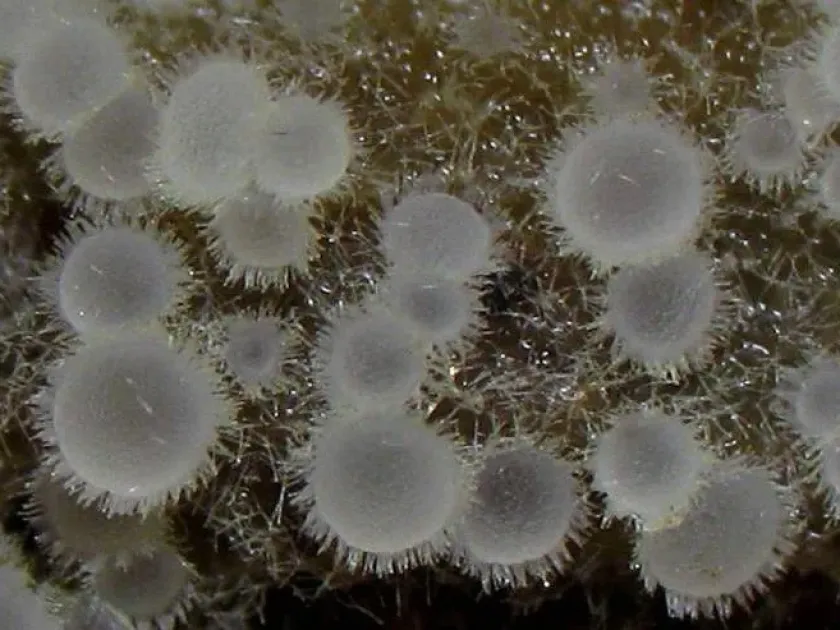
Under magnification, the edges of the cup-shaped structures display fine, hair-like projections that give the fungus a fuzzy or velvety appearance.
Decaying wood colonized by this species often exhibits a soft, crumbly texture and a lighter-than-usual coloration compared to surrounding healthy bark.
During periods of high humidity, a thin, spiderweb-like mycelial mat may cover the surface of the wood, which is a visual indicator of active fungal colonization.
In advanced stages of decay, the woody tissue may lose its structural integrity, becoming susceptible to mechanical damage and further colonization by secondary pathogens.
Pathogen
Arachnopeziza aurata is a species of sac fungus belonging to the family Arachnopezizaceae, commonly found in forest ecosystems as a wood-decomposing organism.
As a saprotroph, it primarily colonizes dead wood and decaying plant material, playing a significant role in the natural decomposition of lignin and cellulose.
The fungus produces small, cup-shaped fruiting bodies known as apothecia, which are distinctively decorated with fine hairs along their margins.
Its mycelium deeply penetrates the wood substrate, secreting enzymes that break down organic polymers to obtain nutrients for its growth and reproductive cycle.
It is well-adapted to humid environments where it thrives on various types of deciduous wood, contributing to the recycling of nutrients back into the soil.
Conditions for development
Arachnopeziza aurata thrives in environments characterized by consistently high moisture levels, which are essential for the development of its fruiting bodies.
Ideal temperatures for its growth typically range between +15°C and +22°C, making spring and autumn the most active seasons for the fungus.
Shaded areas with poor air circulation are preferred by the fungus, as these conditions prevent the rapid evaporation of moisture from the woody substrate.
The availability of decaying wood, including fallen branches, old stumps, and neglected pruning waste, provides the necessary substrate for its proliferation.
Damp, cool forest floors and overcrowded garden beds are common sites where this fungus successfully establishes its colonies and disperses its spores.
Why it matters
The primary concern regarding this fungus is the accelerated decay of wooden materials, which can reduce the strength and aesthetic value of trees in managed landscapes.
While primarily a saprotroph, it can exploit wounds or weak points on living trees, potentially leading to secondary decay and the dieback of affected branches.
The presence of mass colonization by the fungus indicates poor sanitary conditions, which may harbor other more aggressive plant pathogens in the immediate area.
In wood storage areas or timber management, the growth of such fungi can degrade the quality of raw wood, making it less suitable for various applications.
Competitive interaction between this fungus and other micro-organisms can alter the local ecology of the bark, potentially impacting the tree's natural defense mechanisms.
Protection
The most effective strategy for control is the systematic removal and disposal of dead wood, rotting branches, and pruning debris from the garden or forest area.
Maintaining proper tree health through appropriate pruning and fertilization helps trees resist opportunistic colonization by saprotrophic fungi.
Ensuring adequate sunlight and ventilation within tree canopies reduces the micro-environmental moisture that the fungus requires to develop its fruiting bodies.
Regular sanitation of pruning tools is essential to prevent the spread of fungal spores from contaminated wood to healthy plants or trees.
- Apply copper-based fungicides if decorative trees show signs of extensive wood decay.
- Ensure proper site drainage to prevent water stagnation.
- Monitor trees for structural weakness and prune damaged sections immediately.
- Practice good garden hygiene by eliminating piles of wood waste.
- Promote biodiversity to encourage natural competitors of wood-rotting fungi.
Discussion
No discussions yet — be the first.