
Aphanocladium
Aphanocladium
Description
Symptoms
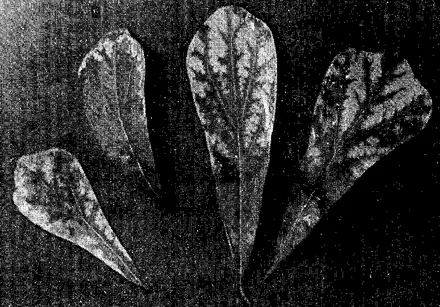
The primary symptom is the appearance of a whitish, sometimes greyish, fuzzy mycelial mat on leaves, stems, and fruits. Unlike some other mildews, this growth can appear somewhat uneven or clumped.
Affected plant tissues lose their turgor, leading to wilting and chlorosis. As the disease progresses, the patches turn necrotic, resulting in brown, dry spots that may eventually coalesce and kill the leaf.
On fruits, the fungus creates depressed lesions that quickly become covered with a dense layer of fungal spores. This effectively ruins the fruit's texture and makes it susceptible to rapid decay.
Systemic weakness is often observed; the plant may stop growing, develop stunted leaves, and show signs of severe chlorosis. In cases of severe infection, premature defoliation occurs across the entire plant.
Diagnosing Aphanocladium can be difficult in the field because symptoms can overlap with other common fungal molds. Microscopic examination of the conidiophores is often necessary for accurate diagnosis.
Pathogen
The causative agent of this disease is the fungus Aphanocladium album (also known as Lecanicillium album). It is a filamentous fungus that can act as both a saprotroph and an opportunistic pathogen.
The fungus produces small, translucent conidia that are easily dispersed through the air, water droplets, and contaminated agricultural tools. Its lifecycle is highly dependent on environmental moisture levels.
It is capable of infecting various plants, often appearing as a secondary invader on tissue already weakened by stress or pest damage. The mycelium proliferates both on the surface and within the plant's epidermis.
Interestingly, some strains of this species are known for their hyperparasitic nature, attacking other fungal pathogens. This makes Aphanocladium a complex organism in the context of biological research.
The fungus survives unfavorable conditions by forming hardy spores or maintaining a quiescent mycelium in plant debris, ready to germinate when favorable environmental factors return.
Conditions for development
High relative humidity, typically exceeding 80–85%, is the primary factor that triggers the rapid spread and germination of Aphanocladium spores. Stagnant air in greenhouses is a major driver of outbreaks.
The fungus thrives within a temperature range of +18°C to +25°C. These temperatures, combined with high moisture, create a perfect environment for the pathogen to colonize healthy plant tissues.
Poor ventilation and overcrowding of plants are significant risk factors. When plants are packed too closely, airflow is limited, and humidity levels near the foliage rise significantly, facilitating infection.
Plants suffering from nutrient deficiencies or excess nitrogen fertilization show increased susceptibility. A lack of proper hardening-off procedures before transplanting can also make seedlings more vulnerable.
Accumulated plant debris is a major reservoir for the pathogen. In greenhouses, failing to sanitize structures and soil between crop cycles ensures that the fungus persists for subsequent plantings.
Why it matters
The economic harm caused by Aphanocladium is primarily related to the loss of marketable yield. Vegetables and fruits covered in fungal growth are unsuitable for retail and carry a low shelf life.
Photosynthetic capacity is severely reduced when large portions of the canopy are covered in mycelium, leading to stunted fruit development and decreased sugar content in the final produce.
In ornamental horticulture, the disease results in significant aesthetic damage, causing plants to be discarded. This can lead to total crop loss if infection occurs early in the production cycle.
The pathogen often acts as a precursor to more destructive soft-rot bacteria. Once Aphanocladium damages the plant's protective barriers, opportunistic bacteria quickly colonize the tissue, causing total decay.
Long-term soil contamination requires expensive remediation efforts, such as steaming or chemical sterilization, to ensure that future crops remain free from recurring infections.
Protection
The cornerstone of Aphanocladium management is the rigorous control of greenhouse microclimate. Maintaining proper ventilation and reducing humidity levels are critical to preventing disease onset.
Sanitation practices cannot be overstated. All infected crop residues must be removed and destroyed. Disinfecting benches, tools, and structures with appropriate sanitizers helps break the pathogen's lifecycle.
Chemical control involving fungicides should be used preventatively or at the very first signs of infection. Copper-based fungicides or systemic options are effective if rotated properly.
Improving plant vigor through balanced fertilization and appropriate density spacing helps plants withstand initial colonization attempts. Regularly scouting for pests that damage leaf surfaces is also essential.
- Ensure adequate spacing between plants to improve airflow.
- Rotate crops to prevent the build-up of soil-borne inoculum.
- Use resistant or tolerant cultivars where available.
- Monitor greenhouse conditions daily, specifically humidity and temperature.
Discussion
No discussions yet — be the first.