
Antrodiella semisupina
Antrodiella semisupina
Description
Symptoms
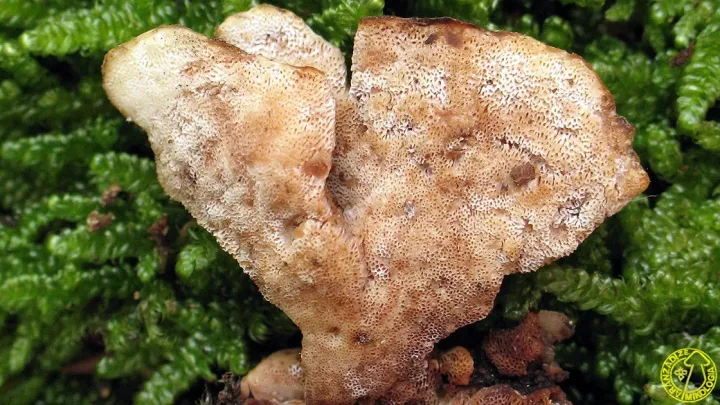
The most visible indicator of infection is the presence of small, flat, or semi-resupinate fruiting bodies on the bark surface. These structures often grow in clusters or lines along cracks in the bark.
The fruiting bodies have a creamy white or light yellowish appearance, often with a smooth or slightly velvety texture. As they mature or dehydrate, they may darken, becoming tan or ochraceous in color.
Internal symptoms involve the development of white rot, where the wood loses its density and structural strength. The degraded wood becomes fibrous and spongy, often breaking away in small chunks or layers.
White mycelial mats or strings can often be found deep within the decayed wood tissue, confirming the presence of an active fungal colony. This indicates that the rot has progressed significantly within the interior.
Trees affected by this fungus often exhibit signs of decline, such as branch dieback and yellowing of the canopy. The structural instability caused by the rot often leads to the death of specific limbs or the entire tree.
Pathogen
Antrodiella semisupina is a wood-decay fungus belonging to the Polyporaceae family. It is a saprotrophic organism that specializes in breaking down lignin and cellulose within dead or dying woody tissues.
While often found on dead wood, it can act as a opportunistic pathogen on stressed deciduous trees. The fungus establishes a mycelial network that colonizes the inner structure of the stem and branches, systematically degrading cell walls.
The biological cycle of this fungus involves the production of basidiomes (fruiting bodies) that release spores into the environment. These spores are spread by wind currents and can land on any exposed wood, initiating new infections.
It is not highly host-specific, making it a common inhabitant of forest ecosystems. The fungus thrives in stable environments where it can slowly decompose woody debris, playing both a recycling role and a destructive role in weakened trees.
The mycelium grows throughout the wood, breaking down complex polymers and altering the mechanical integrity of the host. This process effectively converts healthy wood into a degraded, porous, and brittle substance.
Conditions for development
High humidity is the primary environmental factor that promotes the growth and spread of Antrodiella semisupina. The fungus requires moisture to remain active and to successfully produce spores.
Warm temperatures, ranging from +15°C to +25°C, are optimal for mycelial expansion. In temperate climates, this growth is most intense during spring and early autumn when rainfall is frequent.
Mechanical injuries, such as broken branches or bark damage from machinery or pests, serve as the main entry points for the fungus. Spores germinate quickly on these exposed wounds.
Dense, unmanaged stands with poor air circulation create high-humidity microclimates. These conditions prevent wood from drying out and encourage the colonisation of trees by fungal pathogens.
Large amounts of logging debris or standing dead wood in the vicinity provide a persistent source of inoculum. This makes effective site sanitation critical to preventing the spread of the disease to healthy trees.
Why it matters
The primary economic harm is the reduction in wood quality. The white rot caused by the fungus renders timber unusable for structural or industrial purposes due to the loss of mechanical strength.
Increased susceptibility to windthrow is a major risk in urban and park settings. Because the fungus often affects the base of the tree, it significantly increases the danger of sudden tree failure.
In forest ecosystems, the fungus contributes to the decline of host species, which can shift the community structure. It targets stressed trees, accelerating their removal from the stand through premature death.
The infection disrupts nutrient and water transport, leading to tree decline. This condition makes the tree more vulnerable to secondary attacks by wood-boring insects, such as bark beetles.
The cumulative impact of this disease leads to financial losses for timber producers and increased maintenance costs for managers of parklands and landscaped environments.
Protection
Sanitation is the most effective control measure. It is essential to identify and remove infected wood, including stumps, to reduce the overall fungal spore load in the surrounding area.
Regular monitoring of trees for the presence of fruiting bodies allows for early intervention. If infection is detected, the affected parts should be pruned or the tree removed before the fungus spreads further.
Any physical injuries to the tree bark should be minimized through careful management. When wounding occurs, the area should be treated with protective paints or fungicides to seal the site against fungal spores.
Maintaining proper tree spacing and thinning overcrowded stands improves air circulation. This helps keep the environment dry and less favorable for the survival of fungal pathogens.
In ornamental garden settings, preventive application of copper-based fungicides can help protect valuable trees. These treatments are most effective if applied to wounds or areas known to be at risk during the peak spore release season.
Discussion
No discussions yet — be the first.