
Anthostomella fuegiana
Anthostomella fuegiana
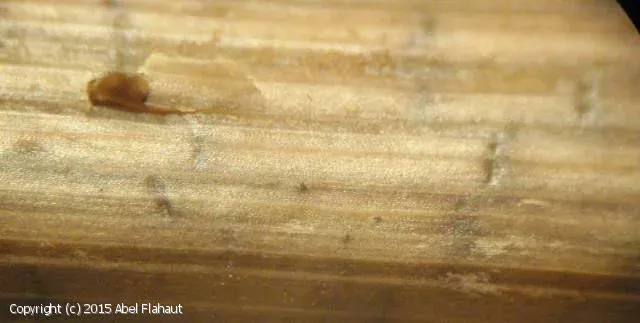
Description
Symptoms
The first signs of infection include the appearance of necrotic spots on the plant surface, which gradually expand as the fungus penetrates deeper tissue.
Small, black, pimple-like fruiting bodies emerge through the plant epidermis, serving as a distinct visual indicator of the pathogen's presence.
Infected areas often darken or turn brown, reflecting the cellular damage caused by the enzymatic activity of the fungus as it feeds on the host.
Advanced infection stages may result in the premature drop of foliage or the visible dieback of affected twigs and branches.
Close inspection with magnification reveals spore-producing structures, a critical diagnostic feature for confirming an Anthostomella infection.
Pathogen
Anthostomella fuegiana is an ascomycete fungus classified within the Sordariomycetes class, acting as a specialized plant pathogen.
The organism primarily colonizes weakened tissues, such as bark or woody stems, functioning as a facultative parasite in specific ecological niches.
The fungal life cycle involves the production of perithecia — small, flask-shaped fruiting bodies that release ascospores to facilitate transmission.
It is well-adapted to temperate and subarctic climates, allowing it to survive on organic debris for extended periods when host conditions are unfavorable.
Diagnostic identification typically requires mycological examination of the perithecia structure to distinguish this species from other localized fungal pathogens.
Conditions for development
Anthostomella fuegiana development is strictly dependent on high humidity, as spores require liquid moisture for successful germination.
Periods of persistent rain, fog, or heavy dew provide the optimal environmental window for rapid fungal spread across the host population.
Plants suffering from environmental stress, such as frost damage or physical wounding, are significantly more susceptible to successful pathogen colonization.
Poor aeration in dense plantings creates a microclimate with stagnant, humid air, which significantly encourages the growth of the fungus.
Moderate temperatures during the spring and autumn seasons provide the ideal physiological conditions for fungal growth and sporulation.
Why it matters
The primary harm caused by this fungus is the progressive weakening of the host plant's systemic immune response and overall vitality.
Repeated infection of stems leads to necrosis, which disrupts nutrient transport and causes branches to wither and die.
The infection compromises the plant's structural integrity and physical barriers, often facilitating secondary attacks by opportunistic pathogens.
For ornamental plants, the visual damage significantly reduces aesthetic value, leading to potential loss of commercial or ornamental utility.
In cases of chronic infection, the pathogen can accumulate in the garden environment, creating a reservoir that threatens the health of new plantings.
Protection
The most effective strategy involves strict adherence to cultural practices, including the regular sanitary pruning of all symptomatic plant parts.
Ensuring proper spacing and airflow between plants is essential to maintain low humidity levels within the canopy, inhibiting spore germination.
Applying broad-spectrum fungicides early in the season can help suppress the initial inoculum and prevent the disease from becoming widespread.
Sanitizing pruning tools after each use is a critical preventative measure to stop the mechanical transfer of spores between healthy and infected plants.
- Maintain plant vigor through balanced fertilization
- Remove and destroy all infected plant debris
- Protect bark from mechanical injury
Discussion
No discussions yet — be the first.