
Anabaena
Anabaena flos-aquae
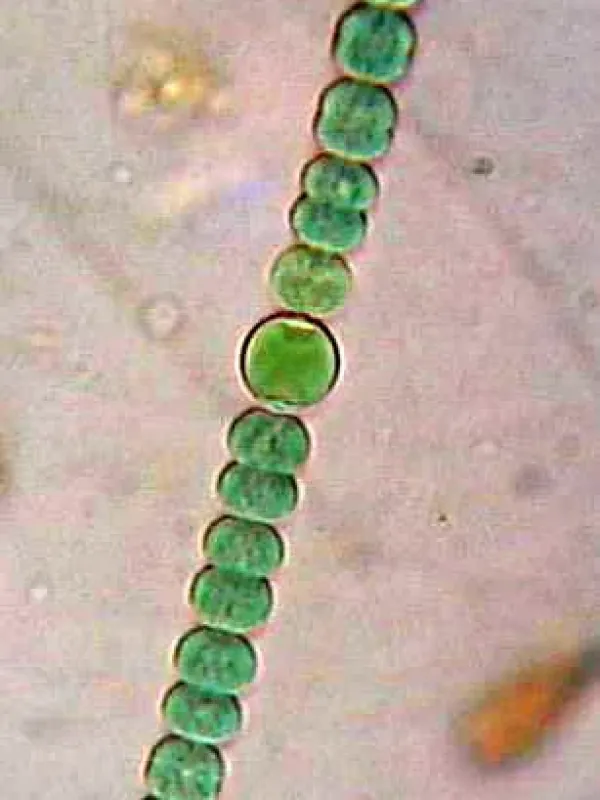
Description
Symptoms
The most visible sign is the sudden appearance of vibrant green scum on the surface of irrigation ponds and supply channels.
The water often takes on a murky appearance accompanied by a distinct, unpleasant musty or earthy odor.
Crops subjected to heavy irrigation with contaminated water may show signs of chlorosis and reduced vigor.
Stunted root development is a common observation in seedlings exposed to metabolic byproducts of these cyanobacteria.
Dried crusts of blue-green organic matter may accumulate on the soil surface following regular irrigation cycles.
Pathogen
Anabaena flos-aquae is a genus of filamentous cyanobacteria that frequently bloom in stagnant freshwater bodies.
These organisms are known for their nitrogen-fixing capabilities, which allow them to thrive in various aquatic environments.
In agronomy, these bacteria are considered a major source of biological stress for crops irrigated from surface water sources.
The organism reproduces through vegetative cell division, forming long, tangled filaments that aggregate into floating masses.
These cyanobacteria are biologically significant due to their ability to produce potent toxins, including neurotoxins that affect animals and plants.
Conditions for development
The primary driver for the development of Anabaena flos-aquae is the process of eutrophication caused by nutrient runoff.
High temperatures, typically ranging from 20 to 30 degrees Celsius, are ideal for rapid multiplication of these colonies.
Lack of water movement in reservoirs and irrigation ditches creates stable conditions for the formation of dense blooms.
Increased phosphorus and nitrogen levels from fertilizers serve as a significant food source for the proliferation of these organisms.
Strong, direct sunlight promotes intense photosynthetic rates, leading to rapid expansion of the bacterial population.
Why it matters
The primary concern is the release of cyanotoxins, which exert phytotoxic effects on sensitive agricultural crops.
Large-scale blooms physically clog irrigation filters, drip emitters, and sprinkler nozzles, leading to irrigation system failure.
Cyanobacteria can disrupt the balance of beneficial microbial populations within the soil and rhizosphere of plants.
Reduced oxygen levels in the water column due to bacterial respiration can negatively impact overall water utility for farming.
Economic losses arise from both decreased crop yields and the increased expenditure required for irrigation system maintenance.
Protection
Reducing nutrient runoff from agricultural fields into water sources is the most sustainable long-term preventative measure.
Mechanical removal and aeration systems can help prevent stagnation and break up surface blooms in smaller water bodies.
Controlled application of approved algicides can provide quick relief in severe cases of water bloom contamination.
Implementing effective filtration technology prevents the spread of cyanobacteria through irrigation pipelines to the fields.
Regular water testing and monitoring for toxin levels are essential for early detection and mitigation of potential damage.
Discussion
No discussions yet — be the first.