
Ambrosiella
Ambrosiella
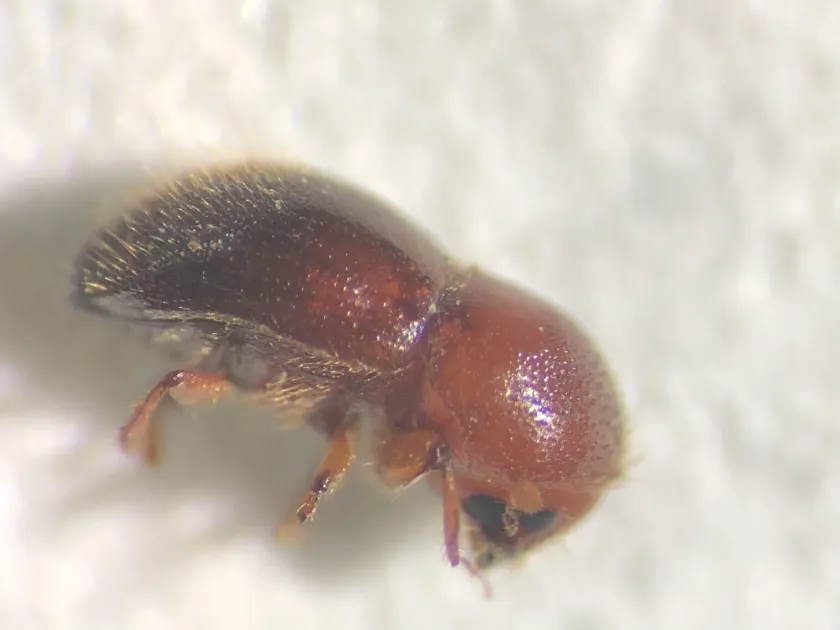
Description
Symptoms
The first external sign of infection is the presence of small entry holes on the bark, often accompanied by fine frass (wood dust) accumulating on the surface.
As the fungal growth blocks the xylem, the foliage on infected branches or the entire tree begins to wilt, turn yellow, and eventually brown.
A cross-section of an infected branch or stem typically reveals dark staining or streaks within the wood caused by the colonization of the fungal mycelium.
Visible resin or sap bleeding from the entry holes can occur, representing the tree's desperate attempt to seal off the fungal invasion.
Progressive decay leads to the dieback of branches and, if left unchecked, the eventual systemic death of the entire host tree.
Pathogen
Ambrosiella is a genus of ascomycete fungi that exist in a symbiotic relationship with ambrosia beetles, which belong to the Scolytinae subfamily.
The fungus acts as an essential nutrient source for the beetles, which cultivate the fungus within the tunnels they excavate in the wood of host trees.
These beetles possess specialized structures called mycangia, which allow them to transport fungal spores to new host trees during colonization.
Once introduced into the woody tissues, the fungus grows rapidly, colonizing the sapwood and interfering with the tree's internal transport systems.
The biological success of the fungus is intrinsically linked to the reproductive cycle and survival of its beetle partners.
Conditions for development
The presence of stressed or weakened trees is a primary condition, as they lack the vigor required to resist the initial attack of ambrosia beetles.
High levels of moisture within the wood are necessary for the successful establishment of fungal gardens inside the beetle-made tunnels.
Optimal fungal growth occurs within moderate temperature ranges, typically between 15 and 25 degrees Celsius, promoting rapid mycelial development.
Environmental stressors such as drought, extreme heat, or physical injury weaken the tree's defenses, making it an attractive target for beetle colonization.
The geographical spread of the fungus is dictated by the flight patterns and the population density of the specific beetle species acting as vectors.
Why it matters
The primary damage occurs when the fungus clogs the xylem vessels, causing physiological drought that leads to rapid tree decline.
The wood quality is severely compromised by the staining and structural holes left by the beetles, rendering it valueless for timber.
Mass infestations in forests can cause significant ecological damage, leading to the loss of biodiversity and the destruction of large tracts of woodland.
In managed landscapes, such as orchards or parks, the infection often necessitates the removal of infected trees to protect surrounding vegetation.
The cumulative effect of the fungal infection and the beetle damage often makes the tree a target for secondary pests that accelerate decay.
Protection
Effective management begins with maintaining high plant health, ensuring trees are resilient enough to defend against minor beetle attacks.
Early detection through regular monitoring is crucial; infected trees should be removed and destroyed before the beetles complete their life cycle.
The application of insecticides during peak flight periods of the beetles can reduce the population of vectors and prevent new infections.
- immediate removal of infested branches and dead wood;
- use of pheromone traps to monitor and suppress beetle populations;
- proper irrigation and fertilization to minimize plant stress;
- sealing mechanical wounds to prevent beetle entry.
Preventative measures, such as applying protective sprays or wraps to trunks, can provide a physical and chemical barrier against colonization.
Discussion
No discussions yet — be the first.