
Grisette
Amanita vaginata
Description
Pathogen
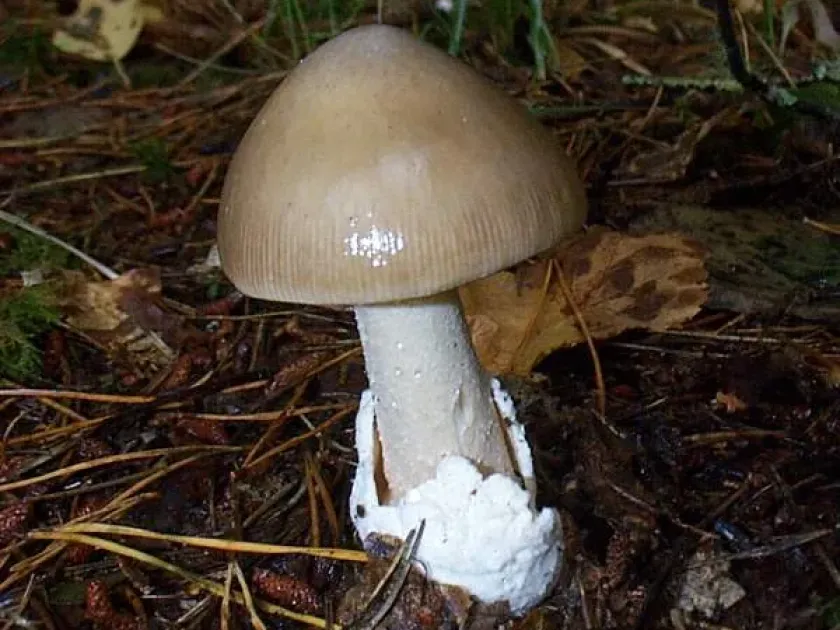
Grisette (scientific name: Amanita vaginata) is a common edible mushroom belonging to the Amanitaceae family. It is strictly not a plant disease or a pathogen.
The fungus is a mycorrhizal partner for various tree species. It forms a beneficial relationship with roots, which is crucial for nutrient exchange in forest ecosystems.
In agricultural settings, it does not infect or damage plants. It lacks the biological machinery to act as a parasite, as its life cycle depends on mutualistic symbiosis with tree roots.
The belief that Grisette is a disease is a major misconception. It is a biological organism that supports forest health rather than causing crop loss or decay.
Therefore, it should not be categorized under phytopathology or disease control guides, as it does not negatively impact plant physiology.
Conditions for development
The development of Amanita vaginata is strictly dependent on the presence of woody plants with which it can form mycorrhizae. It thrives in well-structured, organic-rich soil.
High levels of humidity and temperate climates during late summer and autumn trigger the production of fruiting bodies. It prefers shaded areas with thick litter layers.
The fungus is very sensitive to soil disturbances. Frequent tilling or heavy soil compaction will inhibit the growth of the underground mycelial network.
It acts as an indicator species for healthy, undisturbed forest soils. It cannot thrive in open fields or soils that lack symbiotic partners like oak, birch, or pine trees.
Environmental conditions that favor Grisette are typically conducive to overall healthy soil microbiomes, enhancing the plant's ability to resist real pathogens.
Why it matters
Grisette causes zero harm to crops, shrubs, or trees. It does not induce wilting, necrosis, or any form of plant disease symptoms.
The symbiotic interaction actually provides advantages to trees by increasing their root surface area and facilitating the uptake of essential minerals and water.
There are no reported cases of Amanita vaginata negatively impacting agricultural yields. It remains a benign inhabitant of soil ecosystems.
The presence of this fungus is considered a sign of biodiversity and ecological stability. It poses no risk to the health of your garden or orchard.
Any concerns regarding its impact are unfounded, as the fungus is entirely dependent on the host tree's long-term health, making it an ally rather than an enemy.
Protection
No control measures are needed or recommended for Amanita vaginata. It is not a pest, and attempting to eradicate it is counterproductive to soil health.
Fungicides should never be applied to control this mushroom. Chemicals designed to kill fungal pathogens would harm beneficial mycorrhizal networks and soil life.
If the physical presence of the mushroom is undesirable, simply removing the cap is sufficient. The mycelium below will remain harmless and continue its natural biological function.
Proper landscape maintenance, such as managing excessive leaf litter or moisture, is the only way to influence its visibility, but this is a matter of aesthetics, not plant protection.
Gardeners are encouraged to appreciate the role of beneficial fungi in the soil. Amanita vaginata is a component of a healthy, productive growing environment.
Discussion
No discussions yet — be the first.